Types of Sports Stadium Lighting
HID (High-Intensity Discharge), specifically Metal Halide lights, have traditionally been the go-to option for sports lighting for decades, but advancements as well as cost reductions in LED lighting technology have led to them being more popular and energy-efficient, saving a lot of energy over their lifespan. In addition, some LED lights weigh a lot less than the old Metal Halide lights, creating additional savings by reducing the load on top of the light pole. The most important advantage of LED vs Metal Halide is their superior lumen maintenance. This means that LEDs do not need to be maintained or replaced to keep their brightness for many years as opposed to Metal Halide bulbs that lose 30-40% of their brightness within the first 2 years of their usage. For these reasons, Metal Halide technology is pretty much obsolete and will completely become extinct in the very near future.
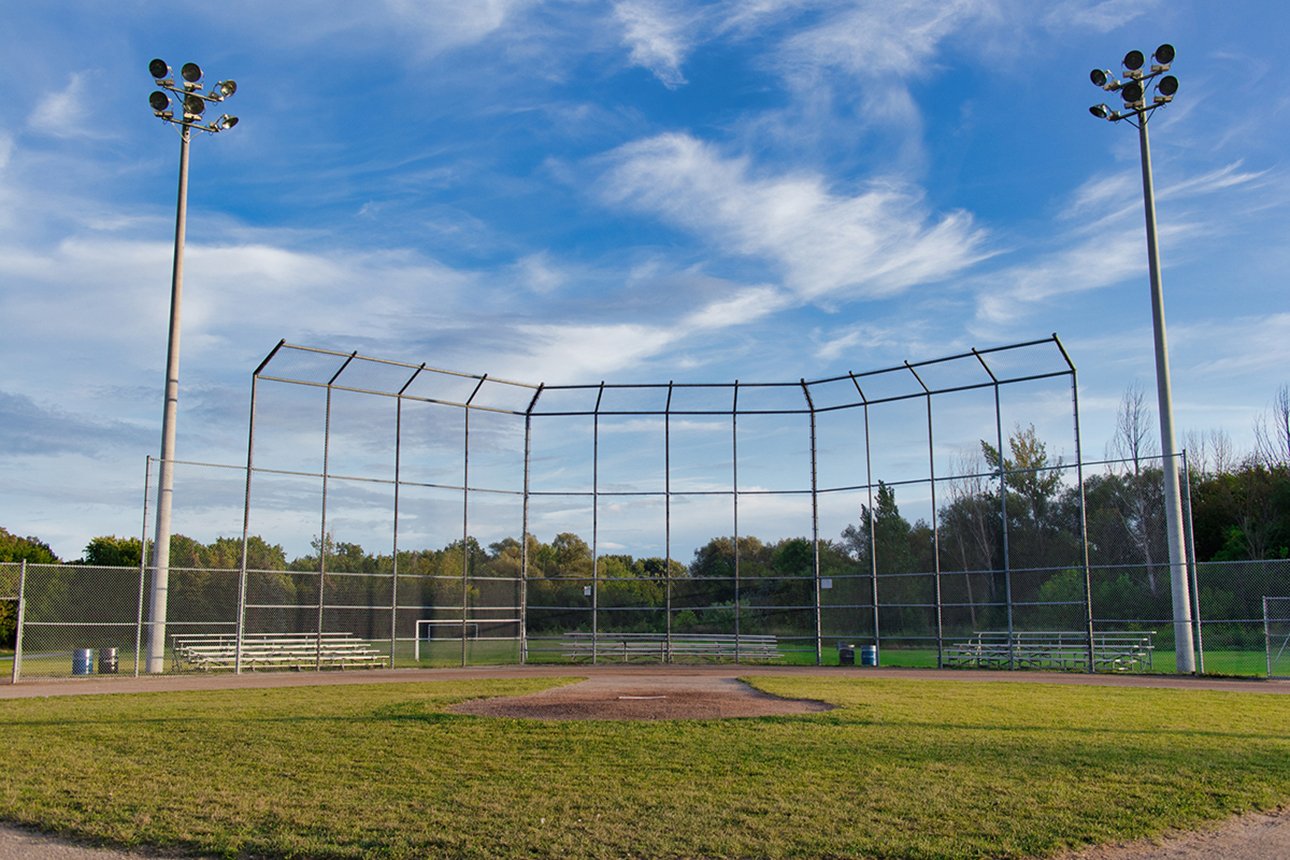
Which Type of Outdoor Stadium Lights are Best?
For the reasons mentioned above, LED is the right choice for sports, ball field and stadium lighting. LEDs typically save around 70% on the cost of electricity vs HID/Metal Halide lights of the same power. LED lights produce the same brightness year after year eliminating the need for replacing them often. Another big advantage of LEDs especially for sports events or as field lighting is the fact that they turn on instantly. Metal halide lights require a few minutes to power-up causing disruption in case of power outage. LED lights can instantly be turned or off.
By far, the most important distinction of LED over HID and other lighting options is that if designed with correct optics, LEDs may glare less . This is crucial for sporting venue applications as all of these lights directed towards the turf can produce a glare effect, making it unpleasant for both athletes and spectators. Some additional factors to consider:
The total number of lights gets reduced as the efficiency goes up (as lumens per watt per light increases). In the early days of LED, 75 lumens/watt was acceptable, nowadays 130 lumens/watt is the norm. This means that each light produces lots more light for the same amount of power it uses reducing the number of LED lights to accomplish the job.
Pay attention to the design of the lights(optics) -- different beams have different patterns. This is also called distribution pattern. It is all about directing the light that LED fixtures produce to the area you are lighting up. It is a function of the pole height as well as distance from the field.
Consider labor costs; the easier the installation process, the less labor you will need to pay for (buying kits often saves you time, money, and headaches). For example: If you just buy LED lights, you will have to pay for installation. If you buy lights that are pre-wired and ready to be installed on light poles, then you will save a lot of money on labor since your contractor will only worry about connecting the light assembly to the pole, saving you money on the labor.
Note: If you are replacing old stadium light fixtures but are keeping the same pole, try switching to LED lighting since metal halide bulbs are becoming extinct.. As you are comparing LED lights, in order to save on labor, make sure to consider how the lights attach to the existing poles. You may need to spend more money on correct brackets since most lights will not just attach to poles out of the box. Selecting the correct attachment will save you a lot of money and hassle.