Understanding Light Bulb Wattage: A Safety and Efficiency Guide

Adhering to the recommended wattage rating for light bulbs is crucial for safety. Using a bulb that exceeds your fixture's rating can lead to overheating, posing a fire hazard or damaging sockets and wiring. If you're unsure about selecting the right bulb, consider switching to LED options.
LED bulbs provide excellent brightness at significantly lower wattages than incandescent or halogen bulbs. For example, an LED bulb labeled as "60W equivalent" delivers the same brightness as a 60-watt incandescent bulb, but consumes far less energy-typically around 80% less. This means you can achieve the desired illumination without risking overloading your fixture. In addition to enhancing safety, this energy efficiency helps reduce electricity costs.
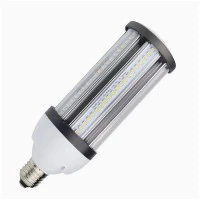
It's also helpful to know that LED equivalents are available for various bulb types. Whether you're replacing a fluorescent T8 tube or an HID lamp, there are LED alternatives labeled with corresponding brightness equivalencies.
If your fixture lacks a visible wattage rating-common in older installations-opting for LED bulbs is a smart and safe choice. Their low power consumption minimizes risk to aging wiring. By selecting lower-wattage LEDs, you protect your home and save energy without compromising on light quality.