LED Pot Lights for Suspended Ceilings: Tailored Illumination for Modern, Adaptable Spaces

Suspended ceilings-also known as drop ceilings or false ceilings-have long been a staple in commercial buildings, residential basements, and modern interiors, valued for their ability to hide ductwork, wiring, and plumbing while creating a clean, uniform ceiling surface. However, their unique structure-typically consisting of a metal grid framework supporting lightweight ceiling tiles-poses specific challenges for lighting: traditional recessed fixtures may not fit within the narrow plenum space (the gap between the suspended ceiling and the structural ceiling), and heavy fixtures risk damaging the grid. Enter LED pot lights designed specifically for suspended ceilings: these compact, lightweight, and structurally compatible fixtures solve the unique lighting needs of drop ceilings, delivering efficient, targeted illumination while preserving the ceiling's functionality and aesthetic. From offices and classrooms to residential basements and retail stores, LED pot lights for suspended ceilings have become the go-to lighting solution for spaces where adaptability, space efficiency, and design cohesion matter most. This article explores the technical specifications, key advantages, installation processes, practical applications, and selection tips for these specialized fixtures, highlighting why they are indispensable for suspended ceiling environments.
To understand why LED pot lights excel in suspended ceilings, it is first critical to unpack the unique constraints of drop ceiling systems-and how these fixtures are engineered to overcome them. Suspended ceilings typically have a plenum space depth of 6–12 inches, far shallower than the 12+ inches of clearance needed for many standard recessed pot lights. Additionally, the metal grid (usually 2x2 or 2x4 feet) that holds ceiling tiles can only support limited weight-often 5–10 pounds per fixture-ruling out heavy traditional recessed models. LED pot lights for suspended ceilings address both issues: they feature an ultra-slim design (with a total depth of 3–6 inches) that fits within shallow plenum spaces, and a lightweight construction (2–4 pounds) that won't strain the grid.
Technically, these fixtures share core components with standard LED pot lights but include modifications for suspended ceiling compatibility. The housing-often made of lightweight aluminum or high-impact plastic-is compact and low-profile, with integrated mounting brackets designed to attach directly to the metal grid (no need for additional ceiling joist support). This grid-mounting system eliminates the need to cut large holes in structural ceilings or rely on joists, simplifying installation and reducing damage risk. The light engine is a high-efficiency LED module, typically 5W–15W in power, delivering 400–1200 lumens-sufficient for ambient lighting in offices or task lighting in residential basements. Most models offer fixed color temperatures: warm white (2700K–3000K) for residential spaces, neutral white (3500K–4000K) for offices and classrooms, and cool white (5000K–6500K) for commercial areas like retail stores. A high Color Rendering Index (CRI) of 80+ ensures colors appear true-to-life, whether illuminating office workstations or residential decor.
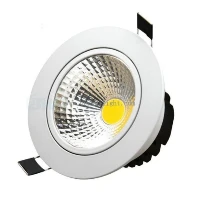
The trim-the visible part of the fixture- is designed to sit flush with the suspended ceiling tile, creating a seamless look. Trims are available in finishes like white, black, or brushed nickel to match ceiling tiles and interior decor, and some models feature a low-profile design (less than 1 inch in height) to avoid protruding and disrupting the ceiling's flat surface. Unlike standard pot lights, which require large cut-outs in structural ceilings, LED pot lights for suspended ceilings only need a small hole (4–6 inches in diameter) cut into the ceiling tile-making them easy to install or reposition if the ceiling layout changes.
One of the most significant advantages of LED pot lights for suspended ceilings is their structural compatibility and easy installation. Traditional recessed lights require anchoring to ceiling joists, which is often impossible in suspended ceiling systems where joists are hidden above the plenum space. LED pot lights for drop ceilings, by contrast, use grid-mounting brackets that clip directly to the metal grid rails-no joist access needed. The installation process takes just 15–20 minutes per fixture: after cutting a hole in the ceiling tile to match the fixture's diameter, the bracket is attached to the grid, the fixture is inserted through the hole, and the trim is snapped into place. This "tool-less" installation eliminates the need for specialized equipment or structural modifications, making it ideal for both new construction and retrofits. For example, a school district upgrading classroom lighting can install these fixtures without disrupting classes, as the process is fast, quiet, and non-invasive.
Another key benefit is their space efficiency, which is critical in suspended ceiling environments with shallow plenum spaces. The ultra-slim design of these LED pot lights (3–6 inches deep) fits easily within the typical 6–12 inch plenum gap, leaving room for ductwork, wiring, and other mechanical systems. Standard recessed pot lights, by contrast, often require 12+ inches of clearance, which may not be available in many drop ceiling setups. This space efficiency also makes LED pot lights suitable for "low-headroom" spaces like basements, where the structural ceiling is low and a suspended ceiling is installed to maximize usable height. By avoiding bulky fixtures that hang down, these pot lights keep the ceiling surface flat and uncluttered, preserving the room's sense of space.
Energy efficiency and long lifespan are additional advantages that align with the needs of commercial and residential users alike. LED technology uses 75–85% less energy than incandescent pot lights: a 10W LED pot light produces approximately 800 lumens-equivalent to a 60W incandescent bulb-resulting in significant cost savings. For a commercial office with 50 such fixtures used 8 hours per day, the annual energy cost is approximately \(72 (based on \)0.15/kWh), compared to \(432 for incandescent models-a savings of \)360 per year. LED pot lights also have a lifespan of 25,000–50,000 hours, meaning they will last 10–20 years with typical use-eliminating frequent bulb replacements and reducing maintenance costs. For property managers of commercial buildings, this translates to lower labor costs and less disruption to tenants.

Durability and safety are also standout features of LED pot lights for suspended ceilings. These fixtures are designed to withstand the unique conditions of drop ceiling environments: their housings have an IP20–IP44 ingress protection rating, making them resistant to dust and minor moisture (critical for basements or commercial kitchens with high humidity). The LED light source generates minimal heat, reducing the risk of overheating and fire-unlike halogen pot lights, which can reach temperatures of 300°F+ and pose a risk to lightweight ceiling tiles. Most models are also certified by safety organizations like Underwriters Laboratories (UL) or the Canadian Standards Association (CSA), ensuring they meet strict standards for electrical safety and structural compatibility with suspended ceiling grids.
LED pot lights for suspended ceilings are versatile enough to be used in a wide range of commercial and residential applications. Their most common uses include:
Commercial Offices & Workspaces: Installed in open office areas, cubicles, and conference rooms to provide uniform ambient lighting. Neutral white (3500K–4000K) models reduce eye strain during long work hours, while the flush-mount design keeps ceilings uncluttered-important for maintaining a professional, modern look. Many office buildings use these pot lights in a grid pattern (spaced 4–6 feet apart) to ensure even illumination across large spaces.
Schools & Educational Facilities: Used in classrooms, libraries, and auditoriums to support learning. The bright, consistent light of 10W–12W LED pot lights helps students focus, and the easy installation allows for quick upgrades without disrupting classes. In libraries, warm white (3000K) models create a cozy atmosphere for reading, while cool white (5000K) models are used in science labs for better visibility of experiments.
Residential Basements & Rec Rooms: Ideal for basement spaces where a suspended ceiling is installed to hide pipes or ductwork. Warm white (2700K–3000K) LED pot lights provide soft, inviting lighting for family rooms, home theaters, or home gyms. Their low-profile design keeps the ceiling from feeling cramped, and dimmable models allow users to adjust brightness for movie nights or workouts.
Retail Stores & Showrooms: Installed in retail spaces with suspended ceilings to illuminate merchandise. High CRI (90+) models ensure products appear in their true colors, while narrow beam angles (20–30 degrees) can be used to highlight displays. For example, a clothing store might use 12W LED pot lights with 25-degree beam angles to focus light on clothing racks, drawing customers' attention to merchandise.
Healthcare Facilities: Used in clinics, exam rooms, and hospitals to provide bright, accurate lighting for medical procedures. Cool white (5000K) models with high CRI (95+) help medical staff distinguish between skin tones and tissue colors, while the dust-resistant design (IP44) meets healthcare hygiene standards.
Installing LED pot lights for suspended ceilings is a straightforward process that requires minimal tools and expertise, but careful planning ensures optimal performance. The key steps include:
Assess Ceiling Grid & Plenum Depth: First, confirm the suspended ceiling grid size (typically 2x2 or 2x4 feet) and plenum depth (distance between the suspended ceiling and structural ceiling). Most LED pot lights for drop ceilings require a plenum depth of at least 3 inches-measure to ensure there is enough space. Also, check the grid's weight capacity (usually 5–10 pounds per fixture) to ensure the fixture is compatible.
Plan Fixture Layout: Determine the number of fixtures needed based on the room size and desired brightness. A general guideline is to install one 10W LED pot light (800 lumens) per 16–25 square feet for ambient lighting. For example, a 200-square-foot basement rec room would require 8–12 fixtures. Mark the layout on the ceiling tiles, ensuring fixtures are spaced evenly and avoid grid intersections or areas with hidden ductwork/wiring.
Cut Holes in Ceiling Tiles: Use a hole saw (matching the fixture's cut-out diameter, usually 4–6 inches) to cut holes in the marked ceiling tiles. For best results, place the tile on a flat surface and cut slowly to avoid cracking the tile. If the ceiling tiles are already installed, remove them temporarily to make cutting easier.
Mount the Fixture to the Grid: Attach the fixture's grid-mounting brackets to the metal grid rails. Most brackets have clips that snap onto the grid, but some may require screws (use a screwdriver to secure them tightly). Ensure the brackets are level to keep the fixture flush with the ceiling.
Wire the Fixture: Turn off power to the area at the circuit breaker. Connect the fixture's wires to the ceiling wiring (follow local electrical codes-black to black, white to white, green/bare to ground). Use wire nuts to secure the connections and wrap them in electrical tape for safety.
Install the Fixture & Trim: Insert the fixture through the hole in the ceiling tile, pushing it up until the trim sits flush with the tile. Snap the trim into place (most trims have a friction fit that locks onto the housing). Turn on the power and test the fixture to ensure it works properly.
When selecting LED pot lights for suspended ceilings, several key factors ensure the fixture meets your needs and is compatible with your drop ceiling system:
Plenum Depth Compatibility: Choose a fixture with a total depth (housing + trim) that is less than your plenum depth. Most models are 3–6 inches deep, but measure your plenum space to confirm-avoid fixtures that require more depth than available, as they may not fit or could damage the structural ceiling.
Grid Compatibility: Ensure the fixture's mounting brackets are designed for your ceiling grid size (2x2, 2x4, or custom). Some brackets are adjustable, while others are fixed-check the manufacturer's specifications to avoid compatibility issues.
Wattage & Lumen Output: Select a wattage (5W–15W) and lumen output (400–1200 lumens) that matches the room's lighting needs. Use lower wattages (5W–8W) for accent lighting and higher wattages (10W–15W) for ambient or task lighting.
Color Temperature & CRI: Choose warm white (2700K–3000K) for residential spaces, neutral white (3500K–4000K) for offices/schools, and cool white (5000K–6500K) for commercial areas. Opt for a CRI of 80+ for most spaces, 90+ for color-critical areas like retail stores or healthcare facilities.
Trim Style & Finish: Select a trim that matches your ceiling tiles and interior decor. White trims blend with standard white ceiling tiles, while black or metallic trims add a decorative touch for modern spaces. Low-profile trims (less than 1 inch tall) are best for maintaining a flat ceiling surface.
Dimmability & Smart Features: If you want to adjust brightness, choose a dimmable model and pair it with an LED-compatible dimmer switch. Some premium models offer smart features (Wi-Fi/Bluetooth connectivity) for voice control or app-based scheduling-ideal for commercial spaces or tech-savvy homes.
Warranty & Brand Reputation: Opt for reputable brands (e.g., Philips, Lithonia Lighting, Halo) that offer 3–5 year warranties. Cheap, unbranded fixtures may have flimsy mounting brackets or poor LED performance, leading to premature failure.
The future of LED pot lights for suspended ceilings is shaped by ongoing innovations in compact design and smart technology. One emerging trend is ultra-thin models with a depth of just 2–3 inches, making them suitable for extremely shallow plenum spaces (4–6 inches) that were previously incompatible with recessed lighting. These fixtures use advanced LED chips and heat management systems to maintain efficiency and lifespan despite their small size.
Another trend is integrated smart features, such as motion sensors or daylight harvesting. Motion-sensor LED pot lights automatically turn on when someone enters the room and off when empty-ideal for commercial spaces like restrooms or storage areas where lights are often left on accidentally. Daylight harvesting models use ambient light sensors to adjust brightness based on natural light levels, further reducing energy use. Some smart models also integrate with building management systems (BMS) in commercial buildings, allowing facility managers to monitor and control lighting remotely.
In conclusion, LED pot lights for suspended ceilings are a specialized, practical lighting solution that addresses the unique challenges of drop ceiling systems. Their compact design, grid compatibility, and energy efficiency make them ideal for commercial offices, schools, residential basements, and retail stores-spaces where traditional recessed lights would fail. By delivering uniform, efficient illumination while preserving the ceiling's functionality and aesthetic, these fixtures prove that lighting can be both adaptable and effective in even the most constrained spaces. As technology advances, their capabilities will only grow, solidifying their place as a go-to choice for suspended ceiling environments.
Together, we make it better.
Shenzhen Benwei Lighting Technology Co.,Ltd
Mobile/Whatsapp :(+86)18673599565
Email:bwzm15@benweilighting.com
Skype: benweilight88
Web: www.benweilight.com
Add:F Building,Yuanfen Industrial Zone,Longhua,Bao'an District,Shenzhen, China