Unlocking the Science Behind Ultraviolet Light for Plants: The Benefits, Benefits, and Practical Applications of Utilising UV Lighting in Plant Growth

The use of ultraviolet (UV) light for plants has become more important in the realms of indoor gardening, hydroponics, and commercial horticulture. This is because UV light has the ability to maximize plant growth, improve crop quality, and maximize resilience. A unique role in shaping plant physiology is played by ultraviolet (UV) light, which is frequently overlooked in traditional lighting setups. UV light plays a role in strengthening cell structures and boosting the production of valuable compounds such as flavonoids and antioxidants. While visible light (red, blue, and green) is widely recognized as being essential for photosynthesis, UV light plays a unique role in shaping plant physiology. In order to circumvent seasonal constraints, pests, and climatic fluctuation, an increasing number of cultivators are turning to indoor or controlled-environment agriculture (CEA). As a result, ultraviolet light has emerged as an essential component of contemporary plant lighting systems. For the purpose of elucidating how this specialized lighting solution improves plant health and production, this all-encompassing book investigates the scientific principles that underlie the interactions between ultraviolet (UV) light and plants, as well as the many types of UV plant lights, their fundamental advantages, practical applications, and best practices for their use.
To begin, it is necessary to have a solid understanding of the science behind ultraviolet (UV) radiation and how plants react to it in order to comprehend the significance of UV light for plants. There are three basic bands that make up ultraviolet light, which is a portion of the electromagnetic spectrum that has wavelengths that are shorter than visible light (100–400 nanometers, nm). These bands are and are as follows: UVC (100–280 nm), UVB (280–315 nm), and UVA (315–400 nm). Every band has a unique way of interacting with plants, and the effects of each band change depending on the intensity, the length of exposure, and the kind of plant.
The ozone layer has the ability to naturally filter out ultraviolet C radiation, which has the shortest wavelength and the most energy. As a result, plants that are grown in outdoor situations are seldom exposed to this type of light. Low-dose ultraviolet C, on the other hand, has the potential to function as a natural disinfectant in regulated environments. It helps eliminate mold, mildew, and dangerous bacteria that are present on plant surfaces and growth medium (such as soil or hydroponic nutrient solutions). Because UVC is non-toxic and does not leave any residues behind, it is an excellent choice for organic agriculture where chemical fungicides are not used. However, it is essential to keep in mind that high-dose ultraviolet C can cause damage to plant cells and DNA. As a result, UVC is often applied in a limited manner and only during non-growth periods (for example, in the intervals between crop cycles) or at very low intensities during the growth phase of plants.
UVB light, on the other hand, occurs in trace levels at the surface of the Earth and plays a significant role in the regulation of plant growth. Throughout their evolution, plants have developed photoreceptors (such as UV RESISTANCE LOCUS 8, or UVR8) that are able to detect UVB and activate a variety of biological reactions. The promotion of secondary metabolite formation is one of the most significant impacts of ultraviolet B ultraviolet radiation. Secondary metabolites are substances that are not directly engaged in photosynthesis but are essential for the survival of plants and for human nutrition. These include flavonoids, which are responsible for the brilliant colors of fruits and flowers, anthocyanins, which are effective antioxidants, and phenolics, which are substances that improve the flavor of crops such as tomatoes and grapes. flavonoids are found in fruits and flowers. To provide one example, research has demonstrated that exposing tomato plants to moderate UVB radiation may enhance the amount of lycopene they contain by as much as thirty percent. This is a substantial boost for the plant's capacity to withstand the effects of ultraviolet light as well as for the nutritional value of the fruit for customers. In addition, ultraviolet B rays reinforce the cell walls of plants by boosting the formation of lignin. This makes plants more resistant to environmental stresses and pests, such as aphids and wind. As an additional benefit, ultraviolet B (UVB) controls plant development by preventing excessive stem elongation. This results in plants that are shorter, stockier, and have stronger roots, making them suitable for indoor gardening where room is lacking.
There is a greater abundance of UVA radiation in natural sunshine, which has the longest wavelength in the ultraviolet spectrum. This type of light has a more subtle but significant influence on plants. When compared to UVB, ultraviolet A does not stimulate the formation of powerful secondary metabolites; nevertheless, it does improve the efficiency of photosynthesis by interacting with light-harvesting complexes that are present in chloroplasts of plants. As an additional benefit, it enhances the colors of plants. For instance, when decorative plants such as succulents or flowering shrubs are exposed to UVA light, the hues of their leaves and flowers become more vibrant, so making them more appealing to observers. Plant photomorphogenesis, which is the process by which plants change their growth in reaction to light, is another area in which UVA plays a role. This process assists plants in orienting their leaves toward light sources and in maximizing their ability to absorb light. In addition, ultraviolet A (UVA) has the ability to boost the efficacy of ultraviolet B (UVB): when combined, UVA and UVB provide a more natural light environment that is reminiscent of the circumstances that exist outside, which results in more balanced plant development and improved overall health.
For the purpose of catering to the individual requirements of various plant species and phases of development, the design of ultraviolet (UV) light for plants is customized to offer the appropriate mix of UV bands, intensity, and duration. Plant-specific ultraviolet (UV) lights, as opposed to general UV lamps (such those used for disinfection or tanning), are designed to emit specific wavelengths (mainly UVA and UVB, with low UVC). These UV lights are sometimes combined with visible light LEDs in order to produce a comprehensive lighting system.
The vast majority of contemporary ultraviolet (UV) plant lights are made up of light-emitting diodes (LEDs) because of their ability to emit exact wavelengths, their long lifespan, and their energy economy. Among the LED UV lights for plants, there are two primary configurations that are accessible: freestanding UV fixtures, which are added to existing visible light installations, and full-spectrum lamps, which include UVA, UVB, and visible light in a single unit. Both of these configurations are available. Growers who already have a visible light system (such red-blue LED grow lights) and wish to add UV to improve crop quality are the best candidates for standalone UV lamps. Full-spectrum UV bulbs, on the other hand, are more handy for novice growers who are just starting out.
The wavelength precision, intensity control, and time scheduling are three of the most important technical elements of ultraviolet light exposure for plants. The precision of the wavelength ensures that the light emits the appropriate ultraviolet bands. For instance, a UVB LED for plants should have a peak at 290–310 nm, which is the range that is most effective for the generation of secondary metabolites. On the other hand, a UVA LED should have a peak at 360–380 nm, which is the range that increases photosynthesis. Controlling the intensity of ultraviolet (UV) light is of utmost importance since excessive exposure to UV light can cause harm to plants. The majority of UV plant lights include adjustable intensity levels, which are measured in microjoules per square meter (μJ/m2), enabling gardeners to adapt the exposure to their plants' specific requirements. For instance, newborn seedlings could only need 10–20% of the UV intensity, but mature fruiting plants might be able to endure 50–70% of the UV intensity. Duration scheduling is another important feature: in order to avoid stress, plants require a balance of UV exposure and dark periods. As a result, many UV plant lights come with built-in timers or are compatible with smart controllers that enable growers to set specific exposure times (typically between two and four hours per day, depending on the species of plant).
Durability and safety are other important factors to take into account when designing UV lights. As a result of the fact that ultraviolet radiation has the potential to deteriorate materials over time, UV plant lights are built with housings that are resistant to ultraviolet radiation. These housings are often composed of aluminum or high-grade plastic. Quartz glass, which is responsible for transmitting ultraviolet light more efficiently than conventional glass, is used to encapsulate the light bulbs or LEDs, and they are sometimes protected with a protective grid to prevent any harm from occurring. UV plant lights are designed to enhance user safety by incorporating features such as automatic shutdown in the event that the fixture is tilted or damaged. Additionally, the majority of these lights comply with international safety standards (such as CE or FCC) to guarantee that the amount of UV leakage is within the safe range for human beings.
The use of ultraviolet (UV) light on plants has a wide range of advantages, including improved crop quality, increased plant resistant to disease, and increased environmental sustainability. One of the most important benefits is the enhancement of crop quality, which is especially beneficial for plants that are edible and plants that are grown for decorative purposes. As was noted before, ultraviolet B radiation increases the development of secondary metabolites such as antioxidants, flavonoids, and phenolics. These metabolites improve the nutritional content, taste, and shelf life of fruits and vegetables. For instance, strawberries that are cultivated under UVB radiation have higher amounts of vitamin C and anthocyanins, which results in a more pleasant flavor and allows them to be stored for a longer period of time. Both ultraviolet A and ultraviolet B light have the ability to intensify the colors of the leaves and flowers of ornamental plants. Succulents, for example, acquire deeper red or purple hues, while flowering plants, such as roses, create more colorful blossoms. Due to the fact that people are prepared to pay a greater price for food and plants that are healthier and more visually appealing, this better quality may translate into a higher market value for commercial producers.
Growing plants that are more resistant to diseases and pests is yet another significant advantage. The production of lignin and secondary metabolites in reaction to ultraviolet light results in the formation of a physical and chemical barrier that protects against pests like as aphids, spider mites, and whiteflies. Additionally, this lignin and secondary metabolites hinder the growth of fungi such as powdery mildew and mold. As a result, there is a decreased requirement for the use of chemical pesticides and fungicides, which makes UV light an environmentally friendly choice for both organic and conventional producers. In a research that was carried out in a commercial greenhouse, for instance, it was discovered that tomato plants that were exposed to UVB radiation had forty percent fewer aphid infestations and thirty percent fewer cases of powdery mildew when compared to plants that were cultivated without UV light. Consequently, this not only lessens the impact that farming has on the environment, but it also minimizes the costs that producers have to bear. This is because pesticides and fungicides are often expensive and need to be applied frequently.
The ability of plants to respond to environmental stress is also improved by ultraviolet light. Plants that are cultivated in an environment that contains ultraviolet light produce cell walls that are more robust and root systems that are more effective. This makes them better able to tolerate environmental stresses such as drought, severe temperatures, and nutrient deficits. Those who cultivate their plants indoors will have a lower chance of crop failure as a result of changes in temperature or humidity, while those who cultivate their plants outside will have plants that are more equipped to deal with the effects of shifting weather conditions. In addition, ultraviolet light has the ability to govern plant development by limiting excessive stem elongation, which is a challenge that frequently arises in indoor environments with low light levels, and by encouraging bushier and more compact growth. This is especially helpful for growers who have a restricted amount of space, since it allows for the cultivation of shorter plants for a greater density without causing them to compete for light.
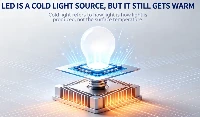
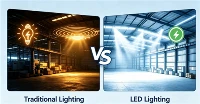
There are a number of major benefits associated with UV LED lights for plants, including energy efficiency and sustainability. In contrast to conventional ultraviolet (UV) lights, such as fluorescent or mercury-vapor lamps, LED UV lights have a lifespan of at least 50,000 hours and utilize a relatively little amount of energy, often ranging from 10 to 20 watts per illumination fixture. This results in a reduction in the carbon footprint of indoor gardening operations as well as a reduction in the expenses of power for producers. Furthermore, it is simpler to dispose of LED UV lights since they do not contain toxic elements like mercury, which is present in fluorescent UV lamps. This makes LED UV lights more ecologically friendly and less hazardous to the environment.
Indoor gardening, commercial horticulture, hydroponics, and research are just few of the many applications of ultraviolet light for plants. Additional applications include research. The use of ultraviolet (UV) light as a complement to natural or visible LED light is common in indoor farming, which includes home grow tents, windowsill gardens, and vertical farms. This helps to ensure that plants receive the whole spectrum of light that they require in order to flourish. In order to improve the quality of their herbs, vegetables (such as tomatoes and peppers), and decorative plants (such as succulents and orchids), home growers frequently make use of UV LED lamps that are independent from one another. For instance, a home grower who is using a tent to cultivate basil might add a UVA/UVB LED light to the tent in order to enhance the flavor and perfume of the herb. Similarly, a grower of succulents can use UV light in order to intensify the colors of the succulents.
Ultraviolet light is utilized on a greater scale in commercial horticulture, which includes greenhouses and nurseries, with the goal of enhancing crop quality and lowering the amount of insect pressure. Full-spectrum UV-visible LED lights are frequently included into the lighting systems of commercial farmers of high-value crops such as berries, grapes, and leafy greens. This is done in order to increase yields and the nutritional content of the agricultural products. For instance, vineyards in areas that get a limited amount of natural ultraviolet radiation (such as northern Europe) make use of ultraviolet B (UVB) lamps in order to boost the anthocyanin content of grapes, hence enhancing the quality of the wine that is made from these grapes. It is possible for nurseries that cultivate decorative plants to employ ultraviolet A light to improve the color of flowers and the form of plants, so making their products more appealing to merchants and customers.
The use of ultraviolet light is also extremely beneficial to hydroponic systems, which include the cultivation of plants in nutrient-rich water rather than soil. There is a significant probability of bacterial and fungal development in nutrient solutions when hydroponics is employed. Therefore, ultraviolet C light is frequently utilized to disinfect the water, which helps to avoid root rot and other illnesses. To further enhance the quality of hydroponic vegetables such as lettuce, spinach, and tomatoes, both ultraviolet A and ultraviolet B light are utilized to encourage balanced development and enhance crop quality. As an illustration, lettuce that is produced hydroponically using ultraviolet light has a crispier texture and greater amounts of vitamins and minerals than lettuce that is cultivated without ultraviolet light.
In addition, research organizations and agricultural colleges employ ultraviolet light for plants in order to investigate the physiology of plants and create new methods of cultivation. Researchers make use of controlled ultraviolet (UV) exposure in order to get an understanding of how various plant species react to ultraviolet radiation and to determine the ideal UV doses for attaining the highest possible crop quality and production. The results of this research are contributing to the development of UV lighting systems that are more effective and to the improvement of growth methods for both indoor and outdoor agriculture.
When it comes to putting ultraviolet light on plants, there are a few recommended practices that assure successful outcomes and prevent damage to the plants. To begin, the UV light should be matched to the kind of plant and the stage of growth. Plants have varying needs for ultraviolet radiation (UV) exposure. For instance, leafy greens (such as lettuce and spinach) require less UV exposure than fruiting plants (such as tomatoes and peppers), while young seedlings are more susceptible to UV than mature plants. The precise ultraviolet (UV) requirements of the plants should be researched by the growers, and the intensity and duration of the exposure should be adjusted correspondingly. A basic rule of thumb is to begin with a modest intensity (10–20%) and short duration (1–2 hours per day), and then progressively raise the intensity and duration as the plants become used to the stress.
The second step is to combine visible light with ultraviolet light. UV radiation should not be used in place of visible light, which is necessary for photosynthesis; rather, it should be used as a complement to visible light. The majority of growers make use of a combination of red-blue LED lights (for photosynthesis) and UVA/UVB lights (for quality and durability), with the UV light accounting for between 5 and 10 percent of the overall light intensity from the LED lights. Due to the fact that plants are unable to create sufficient amounts of energy through photosynthesis, the use of UV light alone might result in stunted development and poor health.
Third, take note of the plant's reaction. In order to identify any indicators of UV stress, such as yellowing, browning, or curling of the leaves, growers should do routine inspections of their plants. It is imperative that the UV strength or duration be decreased quickly in the event that these indicators manifest. In the event that plants do not exhibit any signs of improvement in color or resistance after being subjected to UV radiation for a number of weeks, the intensity or length of the exposure can be modestly increased.
Using the appropriate time for UV exposure is the fourth step. This allows plants to use the energy from visible light to process the secondary metabolites that are formed in reaction to UV light, which is why the optimal time to expose plants to UV light is during the middle of the light cycle, which is when photosynthesis is at its most active. Due to the fact that plants are not actively photosynthesizing during the dark cycle, it is not suggested to expose them to ultraviolet light during this time. This is because plants may be more vulnerable to stress.
Follow the safety requirements, as a last step. As a result of the fact that ultraviolet radiation can be harmful to human skin and eyes, growers should wear protective gear (such as gloves and glasses that block UV radiation) when installing or adjusting UV systems. Growers should avoid gazing directly at the lights when they are on throughout the growing process. UV lamps should be put in a location that is out of the reach of youngsters and pets.
For the purpose of enhancing plant health, improving crop quality, and promoting sustainability in gardening and agriculture, ultraviolet (UV) light for plants is a potent instrument that may be effectively utilized. Growers are able to unlock the full potential of their plants by gaining an understanding of the science behind ultraviolet light and plant interactions, selecting the appropriate ultraviolet lighting system, and adhering to best practices for its application. This is true regardless of whether they are cultivating herbs on a windowsill, producing high-value crops in a commercial greenhouse, or researching new agricultural techniques. Even in the absence of natural sunshine, ultraviolet (UV) light will play an increasingly significant role in ensuring that plants receive the appropriate light conditions they require to survive. This is because controlled-environment agriculture is continuing to gain popularity. The future of ultraviolet (UV) light for plants appears to be bright, thanks to continuous developments in LED technology and plant science. These advancements will provide producers with new chances to create crops that are healthier, more durable, and more nutritious.
https://www.benweilight.com/lighting-tube-bulb/uv-light-for-plants.html
Together, we make it better.
Shenzhen Benwei Lighting Technology Co.,Ltd
Mobile/Whatsapp :(+86)18673599565
Email:bwzm15@benweilighting.com
Skype: benweilight88
Web: www.benweilight.com
Add:F Building,Yuanfen Industrial Zone,Longhua,Bao'an District,Shenzhen, China