UV Lights in Shoe Manufacturing: How Brands Like Nike and Adidas Rely on UV Technology for Quality and Efficiency

In the fast-paced world of athletic shoe manufacturing-where precision, durability, and speed are non-negotiable-UV (ultraviolet) lights have become an indispensable tool, trusted by industry giants like Nike and Adidas. Unlike traditional manufacturing methods that rely on heat or solvent-based curing (which are slow, energy-intensive, and prone to inconsistencies), UV lights deliver targeted, rapid, and eco-friendly solutions across key production stages: from curing adhesives for shoe soles to hardening protective coatings on uppers and even creating intricate anti-counterfeit markers. For consumers, translates to longer-lasting shoes that retain their shape, grip, and aesthetic appeal; for brands, UV technology cuts production time, reduces waste, and ensures the strict quality standards that define premium athletic footwear. Below, we explore the critical applications of UV lights in shoe manufacturing, how top brands leverage this technology, and why it has become a cornerstone of modern footwear production.
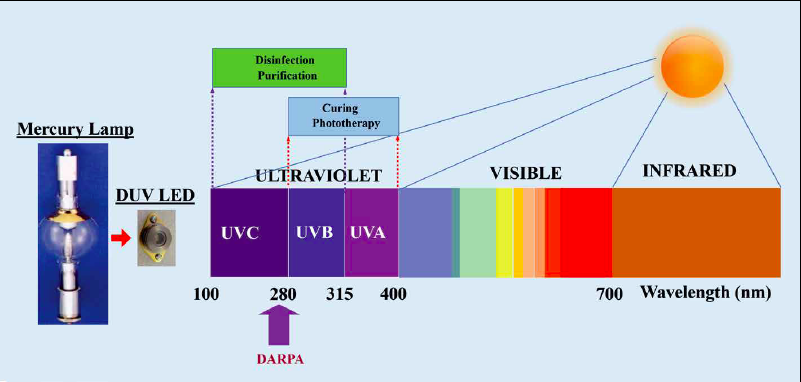
One of the most vital uses of UV lights in shoe manufacturing is curing adhesives for sole bonding-a make-or-break step that determines a shoe's durability. Traditional sole bonding relies on solvent-based adhesives, which require hours of drying time and release volatile organic compounds (VOCs) into the air (posing health and environmental risks). UV-curable adhesives, by contrast, harden in seconds when exposed to UV light (typically UVA, 315–400 nm), creating a stronger, more flexible bond that resists wear, water, and temperature changes. Nike, for example, uses UV curing for its Air Max line: the brand's signature air-cushioned soles are bonded to the shoe's upper using UV-activated adhesives, ensuring the seal remains intact even after years of high-impact use (like running or jumping). Adidas similarly relies on UV technology for its Boost soles-known for their responsive foam-using UV lights to cure the adhesive that attaches the Boost midsole to the outsole. A 2023 report from the Footwear Manufacturing Association found that UV-cured sole bonds are 30% stronger than those from solvent-based adhesives and reduce bonding time from 4–6 hours to 10–20 seconds, slashing production line bottlenecks for high-volume brands.
UV lights also play a key role in coating and finishing shoe uppers, enhancing both aesthetics and durability. Athletic shoe uppers are often made from materials like mesh, synthetic leather, or knit fabrics (e.g., Nike's Flyknit or Adidas's Primeknit), which need protective coatings to resist stains, water, and fraying. These coatings-typically clear or tinted polymers-are applied as liquids and then cured with UV light to form a thin, flexible film. Unlike heat-cured coatings (which can shrink or damage delicate fabrics), UV curing preserves the upper's texture and breathability while ensuring the coating adheres evenly. Nike uses this process for its running shoe uppers: a UV-cured hydrophobic coating repels water and mud, keeping feet dry during outdoor runs, without compromising the mesh's ability to ventilate. Adidas applies UV-cured anti-scuff coatings to the toe boxes of its basketball shoes, preventing unsightly marks from court friction-a feature highly valued by athletes and casual wearers alike. Additionally, UV curing allows for precise control over coating thickness: brands can apply thinner coats for lightweight shoes (like racing flats) or thicker coats for heavy-duty footwear (like hiking boots), tailoring durability to the shoe's intended use.
For brands fighting the global problem of counterfeit footwear, UV lights enable the creation of invisible anti-counterfeit markers-a secure, cost-effective solution. These markers are made from UV-reactive inks or dyes, which are printed onto small, discreet parts of the shoe (e.g., the inside of the tongue, the sole's edge, or the brand logo's stitching). The markers are invisible under normal light but glow brightly when exposed to UV light, allowing retailers, inspectors, and consumers to verify authenticity quickly. Nike uses UV-reactive logos on the insoles of its Jordan line: a quick scan with a handheld UV light reveals a unique pattern that counterfeiters struggle to replicate (as the inks require specialized UV curing to set properly). Adidas incorporates UV markers into the serial numbers of its Yeezy sneakers, ensuring each pair can be traced back to its production facility. This technology is not just for high-end lines: even mid-range athletic shoes now use UV anti-counterfeit measures, as brands seek to protect their reputation and consumers from low-quality fakes. .
UV lights also optimize 3D printing processes for custom and prototype shoes-an area where brands like Nike and Adidas are pushing innovation. 3D printing (or additive manufacturing) allows brands to create personalized shoe components (e.g., custom insoles for athletes, prototype midsoles) with unprecedented precision. Many 3D printers for footwear use UV-curable resins: the printer deposits thin layers of resin, and a UV light cures each layer instantly, building up the component. This process is far faster than traditional 3D printing (which uses heat to melt plastic filaments) and produces smoother, more detailed parts. Nike's Innovation Lab uses UV-based 3D printing to create prototype soles for new running shoe models: what once took 2–3 days to produce with traditional methods now takes 4–6 hours with UV curing, allowing the brand to test more designs and bring products to market faster. Adidas's Futurecraft line includes 3D-printed midsoles cured with UV light, which are tailored to an individual's foot shape (scanned via smartphone) for maximum comfort and support. As 3D printing becomes more mainstream in footwear, UV technology will only grow in importance-enabling faster prototyping and greater customization.
Beyond performance and security, UV lights align with the sustainability goals that top shoe brands have prioritized in recent years. Traditional manufacturing methods rely on solvent-based adhesives and coatings, which release VOCs (harmful to air quality) and require large amounts of energy for drying. UV-cured materials, by contrast, contain little to no solvents (reducing VOC emissions by 90% or more) and use far less energy (as UV lights consume less power than heat-drying ovens). Nike's "Move to Zero" initiative-aimed at carbon neutrality-includes expanding UV curing across its factories: the brand reports that UV technology has reduced energy use in its sole-bonding process by 45% and cut waste (from unused adhesive) by 30%. Adidas's "Parley for the Oceans" line (which uses recycled ocean plastic for uppers) also relies on UV curing: the process ensures that the recycled plastic bonds securely to other components without the need for harsh chemicals, keeping the shoes eco-friendly from production to disposal. For consumers increasingly choosing sustainable brands, UV technology is a selling point-proof that premium footwear can be both high-performance and environmentally responsible.

The adoption of UV lights in shoe manufacturing has also led to consistency and quality control that manual methods cannot match. Industrial UV systems (used by Nike, Adidas, and other large brands) are equipped with sensors and timers that ensure every shoe receives the exact same amount of UV exposure-eliminating human error (e.g., uneven adhesive curing from inconsistent heat application). This consistency is critical for brands with global production: a Nike shoe made in Vietnam should perform the same as one made in the U.S., and UV technology guarantees that. Additionally, UV curing creates bonds and coatings that are less prone to variation from environmental factors (e.g., humidity, temperature) in factories-unlike solvent-based methods, which can be affected by changes in air quality. For example, Adidas's factory in Germany uses climate-controlled UV curing rooms to ensure consistent results year-round, even during the country's cold, humid winters. This level of quality control not only reduces returns (from defective shoes) but also builds consumer trust-a key asset for premium brands.
In conclusion, UV lights have transformed shoe manufacturing from a slow, chemical-reliant process to a fast, sustainable, and precise one-with brands like Nike and Adidas leading the way. From strengthening sole bonds to enabling anti-counterfeit measures and powering 3D printing, UV technology delivers benefits at every stage: faster production, stronger shoes, lower environmental impact, and greater security against fakes. As footwear continues to evolve (with more customization, sustainability, and performance demands), UV lights will remain a critical tool-helping brands innovate while meeting the high standards of consumers worldwide. For anyone curious about how their favorite athletic shoes are made, the answer likely includes a crucial step: a blast of UV light, turning raw materials into durable, high-quality footwear.
FAQ
Any questions or want to send an inquiry?
Q1. How soon is the lead time?
A: For sample orders, 7-17 days if no stock. For bulk orders, 15-30 days.
Q2. Can your products' label, packaging, and design be customized?
A: Yes, we offer customization service on these.
Q3. How can we guarantee quality?
A: Always a pre-production sample before mass production; always a final inspection before shipment.
Q4. How do you ship the goods, and how long does it take to arrive?
A: We usually ship by DHL, UPS, FedEx, or TNT. It usually takes 3-5 days to arrive. Airline and sea shipping are also optional.
Q5. What is your payment method?
A: PayPal / Visa / Western Union / online transfer / Apple Pay / T/T all work for us for payment.
https://www.benweilight.com/industrial-lighting/led-flood-light/led-uv-300-black-light.html
Shenzhen Benwei Lighting Technology Co., Ltd.
Telephone: +86 0755 27186329
Mobile(+86)18673599565
Whatsapp :19113306783
Email:bwzm15@benweilighting.com
Skype: benweilight88
Web: www.benweilight.com