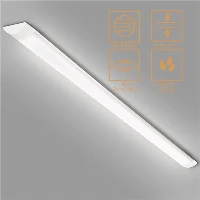
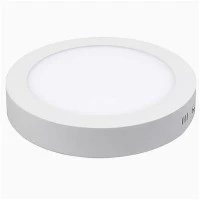
Because of its high-quality illumination, extended lifespan, and energy efficiency, LED panel lights have gained popularity as a lighting option. However, appropriate care and protection are necessary to guarantee that they continue to function at their best and live up to their full potential. These are some great methods for protecting LED panel lights.
Setting up in the Right Environments
Selecting the ideal installation site is one of the most important factors in preserving LED panel lights. Extreme temperatures can affect these lights. Excessive heat can shorten the lifespan of LED chips and perhaps lower the quality of light they produce by accelerating their degradation. As a result, keep LED panel lights away from places that receive a lot of sunshine or close to heat-producing equipment like ovens, heaters, or big electrical transformers. However, very cold temperatures can also affect how well LED panels work, particularly the electronic parts that are part of them. Make that the panels are rated for outdoor usage and are adequately protected from inclement weather, such as intense rain, snowfall, and high winds, when installing them outdoors.
Another factor that works against LED panel lights is moisture. Electrical components may sustain damage from water intrusion, which could result in short circuits and eventual failure. Use LED panels that are specifically made with water-resistant or waterproof qualities in bathrooms, kitchens, and other high-humidity locations. For locations that are subject to splashes or light water exposure, look for items with a suitable Ingress Protection (IP) rating, such as IP65 or higher.
Calm Treatment During Upkeep and Installation
Being careful is essential when handling or installing LED panel lights. Rough handling can easily damage the panel's fragile circuitry and LED chips. Avoid putting too much pressure on the panel's surface as this may cause the internal connections to break or the LED chips to crack. Employ the proper equipment and pay close attention to the manufacturer's installation guidelines.
Additionally, take care when handling the panels when doing maintenance tasks like cleaning or component replacement. Before beginning any operation, turn off the power source to reduce the chance of electric shock and to minimize potential damage to the LED panels from unexpected electrical surges. Instead of holding a panel by the middle, support it evenly from the edges if you need to remove it for examination or repair.
Frequent Cleaning
Over time, dust, dirt, and grime can build up on the surface of LED panel lights, decreasing their efficiency and light output. The panels must be cleaned on a regular basis to stay in good shape. Wipe the panels' surface lightly with a gentle, dry microfiber cloth. Steer clear of harsh chemicals and abrasive materials since they might scratch the panels' surface and harm their protective covering.
Use distilled water to mildly moisten the microfiber cloth for more difficult-to-remove stains or grime. Avoid using tap water since it can include contaminants and minerals that could leave residue on the panel. Before turning on the power after cleaning, check sure the panel is totally dry. To guarantee peak performance, increase the frequency of cleaning in high-traffic areas or places with a lot of airborne particles, including industrial settings or regions close to building projects.
Protection against Electrical
LED panel lights can be seriously threatened by power spikes and voltage variations. In the electrical circuit to which the LED panels are attached, install surge protectors. When there is a power surge, surge protectors can absorb extra electrical energy to keep it from getting to the LED panels and harming the delicate electronic parts.
Using a reliable power source that has the right voltage rating for the LED panels is also advised. Verify that the power supply voltage satisfies the panels' needs by consulting the manufacturer's specifications. The LED panels may overheat, flicker, or possibly fail too soon if the voltage fluctuates outside of the advised range. Consider utilizing an Uninterruptible Power Supply (UPS) in regions with erratic electrical grids to give the LED panel lights a steady and uninterrupted power source, particularly during brownouts or power outages.
Control of Temperature
As previously said, one of the main issues with LED panel lights is heat. Make sure the installation location has enough airflow to properly control the temperature. Make sure there is enough room for air circulation if the LED panels are mounted in recessed ceilings or enclosed fixtures. Heat sinks that are included into some LED panels aid in heat dissipation. To guarantee that the heat sinks can operate effectively, keep them clear and uncluttered.
Think about implementing a temperature-monitoring system in large-scale installations, including data centers or commercial buildings. By detecting any unusual temperature increases in the LED panel lights, this system may send out a warning so that damage can be avoided in a timely manner. A proper operating temperature can also be maintained by placing fans or air conditioners close to the LED panels.
Updates for Firmware and Software
Updating the firmware and software is crucial for LED panel lights with integrated control electronics or those linked to smart lighting systems. Updates are frequently released by manufacturers to enhance the functionality, performance, and stability of their goods. These upgrades can fix flickering, increase energy efficiency, and improve interoperability with other lighting system devices. Visit the manufacturer's website frequently to see what updates are available, then follow the directions to ensure a proper installation.
To sum up, it takes a combination of correct installation, careful handling, routine maintenance, electrical protection, temperature control, and software updates to keep LED panel lights safe. You can get the most out of your investment, guarantee constant, high-quality lighting, and increase the lifespan of your LED panel lights by putting these best practices into effect.