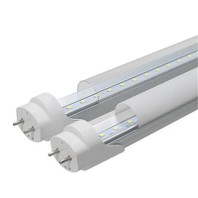
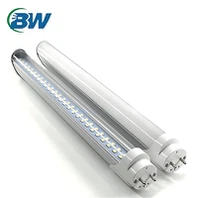
Overview of Replacing T8 Fluorescent LEDs
Significant improvements in longevity, energy efficiency, and environmental effect.
The substitution of LEDs for conventional T8 fluorescent tubes.
Because they are designed to fit into existing fluorescent lights, requiring no major fixture replacement or rewiring.
Their practical uses in electrical engineering, along with their advantages, technical issues, and actual implementation situations.
Engineers, facility managers, and lighting designers looking to maximize lighting systems for sustainability, cost-effectiveness, and performance.
Exceptional energy efficiency-they use far less electricity than conventional fluorescent tubes.
Up to 50% or more on energy costs compared to traditional fluorescent tubes.
Lower power costs, a reduced carbon footprint, and appeal for environmentally conscious businesses.
25,000 hours or more.
Fewer replacements, lower maintenance expenses, and reduced downtime.
Improved light quality, including customizable color temperatures and instant illumination.
It enhances a space's aesthetic appeal and can positively impact mood and productivity.
Offices, shops, and educational institutions.
Smart technology capabilities that allow remote adjustment of color temperature and brightness.
It increases versatility for a range of practical applications.

Comprehending LED and T8 Fluorescent Technologies
T8 Fluorescent Tube Fundamentals
One inch (about 26 mm) in diameter T8 fluorescent tubes are a type of linear fluorescent bulb. Their modest cost and relatively high luminous efficacy have led to their widespread use in commercial, industrial, and institutional lighting. In order to create visible light, an electric current is sent through mercury vapor, which releases ultraviolet light that stimulates a phosphor coating inside the tube.
T8 fluorescents are widely used, although they have a number of disadvantages, such as a mercury content, a short lifespan (usually 20,000 hours), and sensitivity to frequent switching, which might eventually cause performance to deteriorate. Furthermore, it may take a time for T8 fluorescents to warm up and achieve full brightness, which can be annoying in settings where instant illumination is required. Additionally, fluorescent lighting's occasional flickering can be annoying and reduce productivity in offices. Additionally, T8 tubes' color rendering index (CRI) can differ, which could have an impact on light quality in environments like art studios or retail stores where precise color representation is essential.
The Benefits of LED Technology
Solid-state lighting technology known as Light Emitting Diodes (LEDs) produces light when an electrical current flows through semiconductor material. Compared to conventional fluorescent lighting, LEDs have many benefits, such as greater energy efficiency, a longer lifespan (typically over 50,000 hours), instant-on capabilities, and the lack of dangerous elements like mercury.
LEDs are a viable and environmentally friendly option for contemporary lighting systems as the creation of T8 LED tubes to replace T8 fluorescents enables users to retrofit existing fixtures without requiring significant changes. Additionally, LEDs come in a variety of color temperatures, giving you more options for establishing the ideal atmosphere in different settings. The adaptability of LED lighting can accommodate a range of tastes and requirements, from chilly daylight tones that improve focus and alertness to warm white light that resembles conventional incandescent bulbs. Furthermore, a lot of LED goods now have smart technology capabilities that let customers adjust color and brightness settings via voice-activated devices or smartphone apps, fitting in perfectly with the expanding trend of smart home and workplace solutions.
Techniques and T8 Fluorescent LED Replacement
Technical of Installation Compatibility
Compatibility with existing fixtures is one of the main factors to be taken into account when switching from T8 fluorescent tubes to LED alternatives. Generally speaking, LED tubes can be divided into three groups according to installation:
Direct Wire (Ballast Bypass): This method connects the LED tube straight to the line voltage by removing or avoiding the fluorescent ballast. This technique improves system reliability and lowers ballast energy losses.
Plug & Play (Ballast Compatible): Made to be compatible with fluorescent ballasts that are already in place, this device enables a straightforward tube swap without requiring rewiring. However, to prevent flickering or a shorter lifespan, compatibility with particular ballast types needs to be confirmed.
Hybrid (universal): Provides flexibility for retrofit projects by operating with or without a ballast.
To guarantee safety, performance, and adherence to electrical rules, electrical experts must assess the current infrastructure and choose the right kind of LED tube. Future upgrade possibilities must also be taken into account; as lighting technologies advance, a hybrid solution might provide the greatest long-term flexibility. The performance and endurance of the lighting system can be further improved by using suitable installation techniques, which include making sure that the connections are secure and that the tubes are oriented correctly.
Photometric and Electrical Performance
The luminous efficacy of LED replacements for T8 fluorescents is generally higher, frequently surpassing 100 lumens per watt, in contrast to fluorescent tubes' 70–90 lumens per watt. In large-scale installations, this results in considerable energy savings. Additionally, a smaller carbon footprint and lower power costs are two benefits of the decreased energy use, which is in line with sustainability objectives that many businesses aim to meet.
Correlated color temperature (CCT) and color rendering index (CRI) are crucial factors influencing lighting quality. With CRI values often exceeding 80, LED tubes can be chosen to complement or enhance the warm or cool white light of fluorescents, guaranteeing correct color representation in work environments. This is especially crucial in settings like art studios and retail establishments where color discrimination is essential. A greater selection of CCT possibilities enables customized lighting solutions that can improve mood and productivity in a variety of contexts.
Lifespan and Thermal Management
LED performance and longevity depend on efficient heat management. LEDs are more susceptible to heat accumulation than fluorescents, which can shorten their lifespan and deteriorate semiconductor materials. Heat sinks and well-designed housing are features of T8 LED tubes that effectively disperse heat and provide steady functioning over time. These tubes' designs frequently incorporate elements like aluminum heat sinks, which offer greater thermal conductivity and guarantee that the LEDs run within their ideal temperature range.
Furthermore, compared to conventional fluorescent tubes, which often have a lifespan of 15,000 hours, 25W T8 LED tubes can last up to 50,000 hours or longer. This longer lifespan saves maintenance expenses and downtime related to replacing burned-out tubes in addition to lowering the frequency of replacements. Over time, the durability of LEDs can lead to significant operational efficiency and cost savings in locations where accessing lighting fixtures is difficult, such as high ceilings in warehouses or industrial settings.

Useful Electrical Engineering Applications
Commercial and Industrial Settings
Lighting is a major source of energy consumption in commercial and industrial environments. Up to 50% less energy can be used when T8 fluorescent fixtures are retrofitted with LEDs, which drastically lowers operating expenses. For instance, LED tubes' increased longevity and lower maintenance requirements are advantageous for office buildings, manufacturing facilities, and warehouses.
Electrical experts are essential in creating retrofit plans that optimize energy savings, guarantee adherence to safety regulations, and reduce installation downtime.
Institutions of Higher Learning and Health
In settings like schools and hospitals, where safety and productivity are impacted by accurate color rendering and visual comfort, lighting quality is crucial. T8 LED replacements improve occupant well-being by offering flicker-free illumination and adjustable color temperatures that can be adapted to particular tasks or times of day.
The removal of mercury-containing lights also reduces worries about the disposal of hazardous waste and is in line with institutional sustainability goals and regulatory compliance.
Infrastructure and Transportation LED lighting
It is becoming more and more common in public infrastructure, parking garages, and transit hubs. T8 LED substitutes provide reliable performance in settings with temperature swings and vibration. They are perfect for security and emergency lighting applications because of their instant-on capability and tolerance to repeated switching.
Economic and Environmental Effects
Reducing the Carbon Footprint and Improving Energy Efficiency
Energy usage is greatly decreased when T8 fluorescent bulbs are swapped out with LEDs, which immediately lowers greenhouse gas emissions. For example, a facility can reduce its carbon footprint significantly by replacing 1,000 fluorescent bulbs with LED counterparts, saving tens of thousands of kilowatt-hours per year.
These savings help businesses comply with increasingly strict energy efficiency laws around the world and assist corporate sustainability programs.
Return on Investment and Cost-Benefit Evaluation
LED tubes are more expensive initially than conventional fluorescents, but because they require less maintenance and energy, they usually have a lower total cost of ownership. The longer lifespan of CRI 95 T8 LED tubes reduces the need for replacements, which lowers labor and material expenses.
Comprehensive cost-benefit evaluations should be carried out by electrical engineers and facility managers, taking into account local electricity rates, maintenance plans, and possible incentives or rebates for energy-efficient renovations.
Problems and Upcoming Developments
Resolving Installation and Compatibility Issues
Notwithstanding the advantages, there are still difficulties in guaranteeing that LED tubes integrate seamlessly with current fluorescent systems. Flickering, a shorter lifespan, or safety risks can result from improper installation, ballast incompatibility, or subpar goods.
To reduce these hazards, engineers and electricians must pursue ongoing education in addition to maintaining professional credentials and standards.
Developments in Intelligent Lighting and Control Systems
An increasingly popular trend is the combination of LED lighting with IoT and smart control technologies. Dimming capabilities, occupancy sensors, and daylight harvesting technologies are becoming more and more common in T8 LED replacements, allowing for dynamic lighting environments that improve user comfort and energy efficiency.
These intelligent lighting solutions, which are anticipated to become commonplace in upcoming retrofit projects, are being designed and implemented by electrical engineers.
An important and useful development in electrical engineering is the substitution of LEDs with T8 fluorescent bulbs. Experts can successfully execute LED retrofits that maximize lighting performance, lower costs, and support sustainability goals by comprehending the technological subtleties, application contexts, and environmental advantages.
The integration of LED technology with smart systems will further revolutionize lighting design and management as it develops, highlighting the significance of keeping up with new trends and industry best practices.


Our address
No. 5-3 Niujiao Road, Yanchuan Community, Yanluo Street, Bao'an District, Shenzhen
Phone Number
+86 18659785153
bwzm04@ledbenweilighting.com