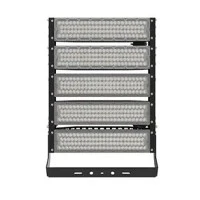
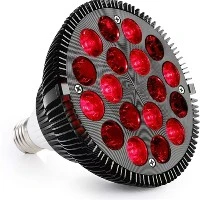
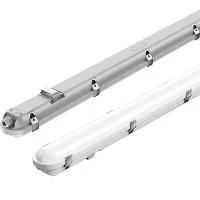
In poultry farming, lighting is crucial since it affects not just output but also the well-being and conduct of the birds. Farmers are replacing conventional incandescent or fluorescent lighting with LED (Light-Emitting Diode) systems as a result of the technology's growing use in agriculture. But given their special qualities-like dimmability, flicker-free operation, and flexible colour spectrums-it's unclear how LED lights will affect chicken behaviour. Using data from scientific research, real-world farm observations, and knowledge of bird biology, this article investigates the effects of LED illumination on chicken behaviour.
Comprehending Light Perception and Avian Vision
Understanding how birds see light is crucial to understanding how LED poultry lights impact hens. Unlike humans, who have trichromatic vision, chickens have tetrachromatic vision, which allows them to perceive four basic colours: red, green, blue, and ultraviolet. Additionally, their eyes have a larger density of photoreceptors, which increases their sensitivity to flicker rates, colour, and light intensity.
The visual systems of chickens are directly impacted by the wavelengths (colours) and intensities that LED lights may be adjusted to output. Red light (620–750 nm) and blue light (450–495 nm), for instance, have different physiological and behavioural consequences. LEDs are a potent tool for adjusting poultry habitats because of their versatility, but careful calibration is necessary to prevent unforeseen outcomes.
How Feeding Behaviour Is Affected by LED Lighting
In order to find food and water, chickens mostly rely on visual cues. Research indicates that eating behaviours are greatly impacted by the spectrum and intensity of light:
Blue and Green Light: Studies show that grill (meat chicken) feed intake is improved by blue and green light wavelengths. According to a 2018 Poultry Science study, birds who were exposed to blue LED lights ate 8–10% more feed than those that were exposed to white light. This is probably because the colours evoke foraging instincts by simulating natural dawn/dusk situations.
Red Light: Because it fosters a more tranquil atmosphere, red light has been connected to decreased aggressiveness during feeding. Nonetheless, some research indicates that it could reduce layers' (egg-laying hens') hunger, possibly as a result of its correlation with nightfall signalling rest periods.
Light Intensity: While excessively bright lights (>20 lux) may make hens avoid feeders out of discomfort, dim LED lighting (5–10 lux) might help ease tension while feeding.
Movement and Activity Levels
Lighting has a direct impact on the activity levels of hens, which in turn affects their wellbeing, growth rates, and bone health:
Activity with Blue Light: Blue-spectrum LED lights have been linked to higher grill activity. According to a 2020 study conducted by the University of Georgia, birds exposed to blue light spent more time walking and exploring, which reduced leg diseases and promoted muscle growth.
Red Light and Calmness: Red light has a calming effect that lowers energy consumption and needless movement. Layers especially benefit from this because too much activity in crowded coops might result in crashes or injury.
Flicker Effects: Because birds are sensitive to sudden changes in light, low-quality LED systems with high flicker rates (>100 Hz) may induce unpredictable behaviour, such as head shaking or decreased movement. Modern LEDs that don't flicker help to lessen this problem.
Welfare and Stress Reduction
In chickens, prolonged stress results in poor development, weakened immunity, and increased death rates. LED lighting reduces stress in the following ways:
Regular Light Cycles: Photoperiods, or cycles of light and dark, are essential for the health of chickens. Precise control is made possible by programmable LED systems, which replicate the dawn and sunset cycles of nature. Stress is decreased by avoiding abrupt light changes, which are typical with conventional lamps.
Low-Intensity Lighting: During periods of repose, reducing the brightness of LEDs to 5–10 lux reduces cortisol levels, a stress hormone, and reduces feather pecking, a detrimental behaviour associated with anxiety.
Color-Specific Calming: Amber and red wavelengths make flocks less hostile. Compared to white light, red LED illumination reduced aggressive pecking in layer hens by 30%, according to a 2019 study published in Applied Animal Behaviour Science.
Sleep Patterns and Circadian Rhythms
LED Poultry Light exposure controls the circadian cycles of both humans and chickens. Sleep, the immune system, and reproduction are all hampered by disturbed cycles.
Blue Daytime Light: By simulating daylight, blue-enriched white LEDs with a colour temperature ranging from 5000 to 6500K synchronise the internal clocks of hens. This encourages vigilance throughout the day and sleep at night.
Dark Periods: Melatonin generation, which promotes sleep and immunological function, depends on total darkness. When LEDs are properly shielded, light leakage is avoided, guaranteeing continuous dark periods.
Layered Lighting Systems: In accordance with natural circadian signals, some farms employ dynamic LEDs that change from blue-white light in the morning to warmer tones in the evening.
Egg Production and Reproductive Behaviour
Layers' and breeders' reproductive physiology is significantly impacted by lighting:
Photoperiod Manipulation: In order to continue producing eggs, hens need 14–16 hours of light every day. Farmers may artificially increase "daylight" hours with LEDs without wasting electricity.
Red Light and Hormonal Stimulation: The hypothalamus-pituitary-gonadal axis is stimulated by red wavelengths (660 nm), which increases the synthesis of progesterone and oestrogen. Compared to cool-white LEDs, red LED illumination has been shown in experiments to improve egg production by 5–7%.
Reducing Broodiness: Egg-laying can be stopped by too warm illumination, such as incandescent lights, which can cause broodiness, or the tendency to sit on eggs. LED Poultry light that are neutral-white (4000K) reduce this behaviour.
Social Dynamics and Aggression
Aggression, including feather pecking and cannibalism, is made worse by crowding and dim illumination. These problems can be lessened by LED systems:
Even Lighting: LEDs, as opposed to fluorescent tubes, offer uniform lighting, eliminating dark spots where a dominant bird may surround a subordinate.
Monochromatic Lighting: By hiding blood and skin tones, red or amber LEDs reduce the likelihood that hens would engage in harmful pecking behaviour.
Dimming During Critical Periods: To avoid panic and crowding at roosts, gradually dim the lights before shutting them off.
Actionable Advice for Farmers
In order to maximise LED illumination for favourable behavioural results:
Select Adjustable Spectrums: To match development phases, choose LEDs with adjustable colour temperatures (2700K–6500K) (e.g., red for layers, blue for broilers).
Give Flicker-Free Systems Priority: To avoid anxiety, make sure LED flicker rates are less than 100 Hz.
Install Dimming Controls: To replicate the natural dawn/dusk cycles, use automatic dimmers.
Monitor Light Intensity: Depending on behaviour, aim for 10–20 lux for layers and 20–30 lux for broilers.
Issues and Things to Think About
Although LEDs have benefits, using them incorrectly might backfire:
Overexposure to Blue Light: Extended exposure to blue light might promote hyperactivity or interfere with sleep.
Cost of Customisation: For small-scale farms, sophisticated systems with spectrum adjustment may be prohibitively expensive.
Bird Adaptation: It may take days for hens to become used to changing illumination, which might momentarily reduce output.
Future Paths
The illumination of poultry might be completely transformed by emerging technology like sensor-enabled smart LED systems. Real-time light spectrum adjustments might be made by these devices in response to environmental factors, health indicators, or avian behaviour.
LED illumination has a significant and varied effect on chicken behaviour, from improving reproductive success to lowering stress and increasing eating efficiency. Farmers may build surroundings that meet the biological demands of chickens by utilising the spectrum flexibility, energy efficiency, and controllability of LEDs. This will eventually improve the welfare and production of the birds. Success, however, depends on careful application; the secret to maximising this technology's potential in contemporary chicken farming is to comprehend the subtleties of light spectrum, intensity, and timing.