What is a LED Grow Light?
In the realm of modern horticulture, few innovations have transformed plant cultivation as profoundly as the LED grow light. As urban gardening, indoor farming, and controlled-environment agriculture gain momentum, understanding what a LED grow light is-its design, functionality, and benefits-becomes essential for both hobbyists and commercial growers. At its core, a LED grow light is a specialized lighting device that uses light-emitting diodes (LEDs) to emit specific wavelengths of light tailored to support plant growth, photosynthesis, and development. Unlike general-purpose LED lights, which prioritize human vision, LED grow lights are engineered to cater to the unique biological needs of plants, making them a cornerstone of efficient and sustainable growing practices.

To grasp the essence of a LED grow light, it is first necessary to revisit the role of light in plant biology. Plants rely on photosynthesis, a process where chlorophyll and other pigments convert light energy into chemical energy, fueling growth, flowering, and fruiting. This process is not triggered by all light equally; instead, plants respond most strongly to specific wavelengths within the electromagnetic spectrum. Blue light (approximately 400–500 nanometers) drives leafy growth and root development, while red light (600–700 nanometers) stimulates flowering, fruiting, and overall plant maturation. Some plants also benefit from small amounts of green light (500–600 nm), which penetrates deeper into foliage, and far-red light (700–800 nm), which regulates growth cycles and flowering timing. A LED grow light is designed to deliver these critical wavelengths in precise proportions, mimicking the beneficial aspects of natural sunlight while eliminating unnecessary or harmful wavelengths.
The key distinction between a LED grow light and a standard LED light lies in their spectral output. A household LED bulb, for example, is calibrated to emit light that appears natural to the human eye, often focusing on a balanced mix of warm or cool white light with a high color rendering index (CRI). While such bulbs may emit trace amounts of red or blue light, they lack the intensity and specific ratios needed to sustain optimal plant growth. In contrast, a LED grow light is built with diodes that target the exact wavelengths plants use for photosynthesis. Manufacturers can customize these diodes to create spectrums tailored to specific plants (e.g., leafy greens vs. flowering plants) or growth stages (e.g., seedlings vs. mature plants), ensuring that every photon emitted contributes to plant health.
LED grow lights are composed of several core components that enable their specialized functionality. At the heart are the LED diodes themselves, which come in various colors (red, blue, white, and sometimes green or far-red) depending on the desired spectrum. These diodes are mounted on a circuit board, which distributes power evenly and prevents overheating. Heat sinks or cooling fans are often integrated into the design to dissipate the heat generated by the diodes, as excessive heat can damage plants and reduce diode lifespan. Many modern LED grow lights also include additional features such as dimmers, timers, or programmable controllers, allowing growers to adjust light intensity, duration, or spectrum to mimic natural light cycles or respond to plant needs. Some models even offer "full-spectrum" output, combining multiple wavelengths to replicate the complexity of sunlight, making them versatile enough for a wide range of plants.
One of the most significant advantages of LED grow lights is their energy efficiency. Compared to traditional grow light technologies like high-pressure sodium (HPS) or metal halide (MH) lamps, LEDs convert a much higher percentage of electrical energy into usable light (rather than heat). This efficiency translates to lower energy bills and a reduced carbon footprint, making LED grow lights an eco-friendly choice for both small-scale and commercial growers. For example, a 100W LED grow light can often produce the same or better results for plant growth as a 400W HPS lamp, cutting energy consumption by up to 75%. This efficiency is particularly valuable in indoor growing setups, where cooling costs (to offset heat from lights) can add significantly to operational expenses.
Another key benefit of LED grow lights is their longevity. LED diodes have an average lifespan of 50,000 to 100,000 hours, far exceeding the 10,000 to 20,000 hours of HPS or MH lamps. This extended lifespan reduces the need for frequent replacements, lowering maintenance costs and minimizing waste. Additionally, LED grow lights are more durable than traditional options, as they lack fragile components like filaments or glass bulbs, making them resistant to shock, vibration, and temperature fluctuations. This durability is especially useful in commercial settings, where lights may be moved or exposed to harsh conditions.
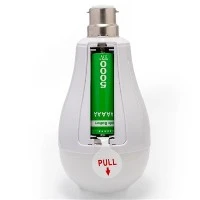
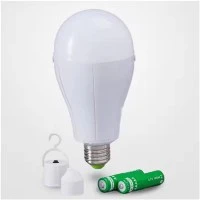
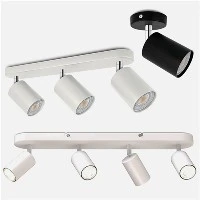
The versatility of LED grow lights is another defining feature. Their compact size and low heat output allow them to be placed close to plants without risk of burning, making them ideal for small spaces like grow tents, shelves, or windowsills. This proximity ensures that plants receive maximum light intensity, which is crucial for photosynthesis. LED grow lights also come in various forms-including panels, bars, bulbs, and strips-accommodating different growing setups. For instance, panel-style LED grow lights are popular for large grow rooms, while bulb-style LEDs can fit into standard light fixtures, making them accessible for hobbyists growing herbs on kitchen counters. Some models are even linkable, allowing growers to expand their lighting setup as their garden grows.
LED grow lights also offer precise control over light cycles, which is vital for regulating plant growth. Many plants require specific light durations to thrive-for example, leafy greens may need 16 hours of light and 8 hours of darkness, while flowering plants may require shorter days to trigger blooming. LED grow lights with built-in timers or smart controls allow growers to automate these cycles, ensuring consistency and reducing the need for manual adjustment. This level of control is particularly valuable in indoor environments, where natural light is limited or nonexistent, and in research settings, where scientists study plant responses to varying light conditions.
Despite their many advantages, LED grow lights are not a one-size-fits-all solution, and their effectiveness depends on proper selection and use. Growers must consider factors such as light intensity (measured in photosynthetic photon flux density, or PPFD), coverage area, and spectral output when choosing a LED grow light. For example, a small herb garden may thrive with a 30W LED bulb, while a commercial greenhouse growing tomatoes may require a 600W full-spectrum panel. It is also important to position the light at the correct distance from plants-too far, and the light intensity may be insufficient; too close, and even with low heat output, plants may experience stress.
In recent years, advancements in LED technology have further enhanced the capabilities of grow lights. For instance, some models now include ultraviolet (UV) or infrared (IR) diodes, which can improve plant resilience, flavor, or nutrient content in certain species. Others use "smart" technology, allowing growers to monitor and adjust light settings via smartphone apps, optimizing growth conditions remotely. These innovations have solidified LED grow lights as the gold standard in modern horticulture, enabling year-round cultivation of high-quality crops in environments ranging from urban apartments to large-scale vertical farms.
In summary, a LED grow light is a specialized, energy-efficient lighting device that uses light-emitting diodes to deliver targeted wavelengths of light, supporting plant growth, photosynthesis, and development. Unlike standard LED lights, which cater to human vision, LED grow lights are engineered to meet the unique spectral needs of plants, with customizable outputs for different species and growth stages. Their efficiency, longevity, versatility, and precise control make them indispensable tools for both amateur and professional growers, driving innovation in indoor and controlled-environment agriculture. As technology continues to advance, LED grow lights are likely to play an even more central role in sustainable food production and plant cultivation worldwide.
Together, we make it better.