What Does LED Light Do to Meat?
The role of lighting in food preservation and presentation is often overlooked, but for perishable products like meat, the type of light used can significantly impact its quality, shelf life, and appeal. Among the various lighting technologies available, light-emitting diodes (LEDs) have emerged as a preferred choice in butcher shops, grocery stores, and food processing facilities due to their ability to balance visibility, preservation, and energy efficiency. Understanding how LED light interacts with meat-affecting its color, texture, microbial growth, and overall freshness-is crucial for both retailers aiming to attract customers and consumers seeking to maintain meat quality at home.
At the most basic level, light interacts with meat through a combination of chemical and physical processes, many of which are influenced by the light's spectrum, intensity, and duration of exposure. Meat, particularly red meat like beef, pork, and lamb, owes its characteristic color to myoglobin, a protein that stores oxygen in muscle tissue. When exposed to oxygen, myoglobin forms oxymyoglobin, giving meat a bright, cherry-red hue that consumers associate with freshness. However, over time, this molecule can break down into metmyoglobin, resulting in a dull brown or gray color-a visual cue that meat is losing freshness, even if it is still safe to eat. Light accelerates this breakdown, but the extent depends on the light's wavelength and intensity.

LED lights, unlike traditional incandescent or fluorescent bulbs, emit specific wavelengths of light, allowing for precise control over how they interact with meat. Incandescent bulbs, for example, produce a broad spectrum of light, including significant amounts of infrared (IR) radiation, which generates heat. This heat can raise the surface temperature of meat, accelerating bacterial growth and lipid oxidation (the breakdown of fats, leading to rancidity). Fluorescent lights, while cooler, often emit high levels of blue and ultraviolet (UV) light, which can degrade myoglobin more rapidly, causing meat to discolor prematurely.
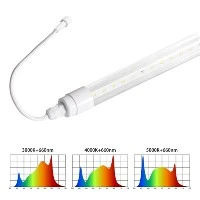
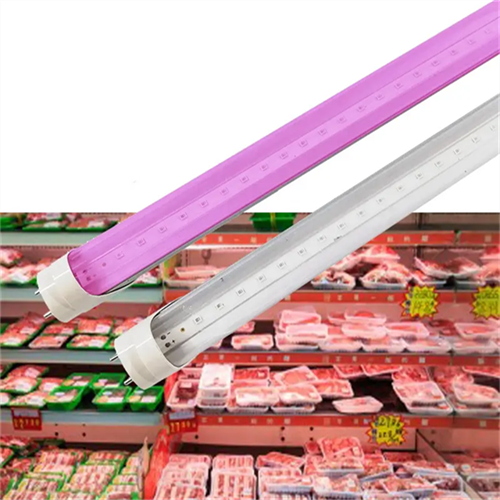
In contrast, LED lights can be engineered to emit narrow, targeted spectrums that minimize these negative effects. For instance, red or amber LED lights are commonly used in meat displays because they complement the natural red color of fresh meat, enhancing its visual appeal to consumers. More importantly, these wavelengths have been shown to slow the oxidation of myoglobin. Red light, with a wavelength of around 600–700 nanometers, interferes with the chemical reactions that convert oxymyoglobin to metmyoglobin, helping to preserve the meat's bright red color for longer periods. This is particularly valuable for retailers, as consumer perception of freshness is heavily influenced by color-dull or brown meat is often rejected, even if it is within its safe consumption window.
Blue and white LEDs, on the other hand, can have mixed effects. While cool white LEDs are energy-efficient and provide good visibility, their higher concentration of blue light (400–500 nanometers) can accelerate myoglobin degradation. This is why many meat counters avoid using cool white LEDs exclusively, instead opting for warmer spectrums or combining white light with red or amber LEDs to balance visibility and preservation. Some advanced LED systems even use "meat-specific" spectrums, which filter out harmful wavelengths while enhancing the red tones, creating a win-win scenario where meat looks fresh and stays fresh longer.
Beyond color preservation, LED lights impact meat quality through their effect on microbial growth. Meat is a rich source of nutrients, making it susceptible to spoilage by bacteria like Pseudomonas, Lactobacillus, and Escherichia coli. These microorganisms thrive in warm, moist environments, and exposure to heat-generating light can accelerate their proliferation. Incandescent bulbs, which emit significant IR radiation, can raise the surface temperature of meat by several degrees Celsius, creating an ideal breeding ground for bacteria. LEDs, however, produce very little heat-converting most of their energy into light rather than thermal radiation-thus reducing the risk of temperature-induced microbial growth. This low-heat property is especially important in open display cases, where meat is exposed to light for extended periods, as it helps maintain a stable, cool environment that inhibits bacterial activity.
LEDs also play a role in reducing lipid oxidation, a process that affects both the flavor and nutritional value of meat. When fats in meat are exposed to light (especially UV and blue light) and oxygen, they break down into free radicals, which react with other molecules to produce off-flavors and odors. This rancidity not only makes meat unappealing but also reduces its content of essential fatty acids. By emitting minimal UV and blue light, LED systems minimize the initiation of lipid oxidation, helping to preserve the meat's taste and nutritional quality. Some studies have shown that meat stored under red or amber LEDs retains its fatty acid profile and sensory properties longer than meat exposed to fluorescent or incandescent lighting.
The intensity and duration of LED exposure are additional factors that influence meat quality. Even with optimal spectrums, excessive light intensity or prolonged exposure can still cause damage. For example, high-intensity LEDs, while useful for highlighting meat in displays, can generate more heat than low-intensity ones (though still less than traditional lights) and may accelerate oxidation over time. Retailers often address this by using dimmable LED systems, which allow them to reduce light intensity during off-peak hours or when meat is not being actively displayed. Timers can also be used to turn lights off overnight, further minimizing exposure without compromising visibility during business hours.
It is important to note that while LED lights can slow spoilage, they are not a substitute for proper refrigeration. Meat remains perishable and must be stored at temperatures below 4°C (40°F) to prevent bacterial growth, regardless of the lighting used. LEDs work in tandem with refrigeration to extend shelf life, creating a controlled environment where both temperature and light are optimized for preservation. In fact, the combination of LED lighting and efficient refrigeration systems has been shown to extend the visual and microbial shelf life of red meat by 2–3 days compared to traditional lighting setups, reducing food waste and increasing profitability for retailers.
The benefits of LED lighting for meat extend beyond preservation to include practical and economic advantages. LEDs are highly energy-efficient, consuming up to 75% less electricity than incandescent bulbs and lasting 25–50 times longer. This reduces operational costs for retailers, who often keep display cases lit for 12–16 hours a day. Additionally, LEDs are more durable and resistant to shock and vibration, making them ideal for the busy environment of a grocery store or butcher shop, where lights may be bumped or exposed to moisture. Their compact size also allows for more flexible placement, enabling retailers to illuminate meat displays without creating harsh shadows or uneven lighting.
Consumer behavior is another area where LED lighting influences meat. Studies have shown that the color of meat under display lighting directly affects purchasing decisions. Meat that appears bright red is perceived as fresher, safer, and more desirable, leading to higher sales. LEDs, with their ability to enhance natural red tones without causing rapid discoloration, create a more appealing visual presentation than traditional lights. This not only benefits retailers but also helps consumers make more informed choices, as the meat's appearance more accurately reflects its actual freshness.
In recent years, advancements in LED technology have led to even more sophisticated solutions for meat preservation. Some manufacturers offer "smart" LED systems that adjust their spectrum and intensity based on the type of meat, storage time, or environmental conditions (such as humidity and temperature). For example, a system might emit more red light for beef and a slightly different spectrum for pork, tailoring the lighting to each meat's unique composition. Others integrate UV-C LEDs, which have antimicrobial properties, though these are typically used in processing facilities rather than display cases, as direct UV exposure can affect meat color.
Despite their advantages, there are considerations when using LEDs for meat. The initial cost of LED systems is higher than that of traditional lights, though this is offset by long-term energy savings and reduced maintenance. Additionally, the choice of spectrum must be carefully calibrated-using overly saturated red LEDs can mask signs of spoilage, misleading consumers. Retailers must strike a balance between enhancing appearance and ensuring transparency about meat quality.
In summary, LED light plays a multifaceted role in preserving and presenting meat. By emitting targeted spectrums (particularly red and amber wavelengths), LEDs slow the oxidation of myoglobin, preserving the meat's bright red color and visual appeal. Their low heat output reduces microbial growth and lipid oxidation, extending shelf life and maintaining flavor. Combined with energy efficiency, durability, and flexibility, LEDs have become an indispensable tool in modern meat retailing, benefiting both retailers and consumers by reducing waste, lowering costs, and ensuring that meat remains fresh and appealing for longer. As technology continues to evolve, LED systems will likely become even more tailored to the specific needs of meat preservation, further revolutionizing how we store, display, and consume this essential food product.
Together, we make it better.