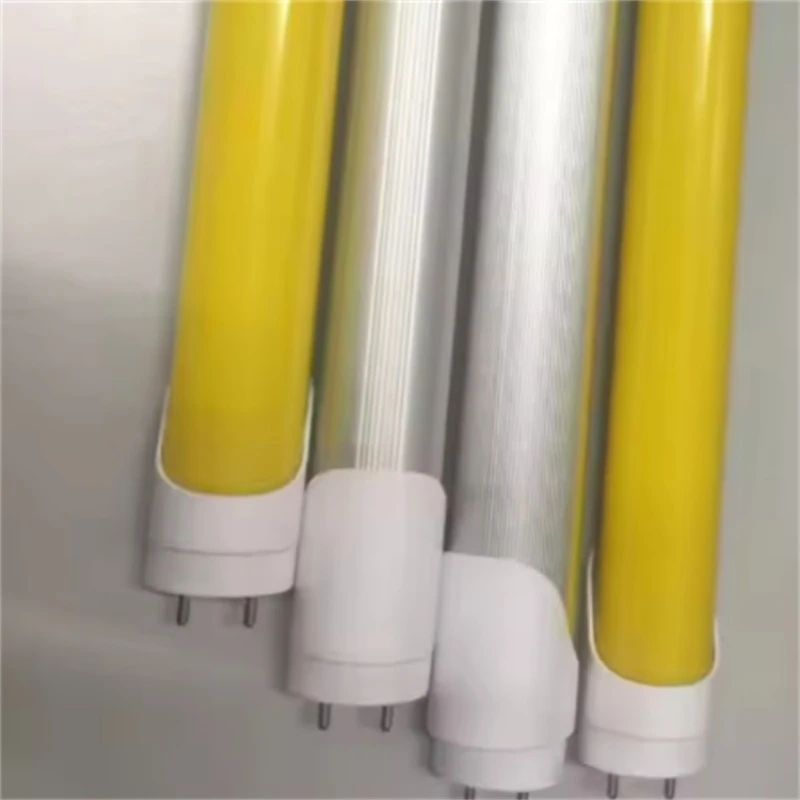
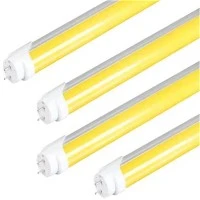
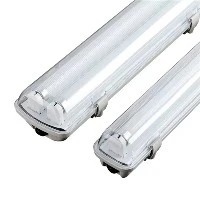
Have you ever noticed that after spending long periods under the standard fluorescent or LED tubes commonly found in offices, classrooms, or shopping malls, your eyes begin to feel dry, or you start to experience dizziness and headaches? As awareness regarding the impact of lighting on health grows, a new option is gaining traction among procurement professionals: T8 LED tubes equipped with UV and blue light protection.
While these tubes share the same form factor as traditional T8 tubes-allowing for a direct, seamless replacement-they are specifically engineered with a focus on light-source safety. This article explores what these tubes are, their practical applications, the environments for which they are best suited, and key factors to consider when making a purchase.
What are T8 LED tubes with UV and blue light protection?
The term "T8" refers to a tube diameter of 8/8 of an inch (approximately 26mm), making it one of the most common specifications used in commercial lighting today. Standard lengths include 0.6m, 0.9m, 1.2m, and 1.5m.
These specialized tubes utilize specific LED chip selections, phosphor formulations, or protective cover materials to achieve two primary goals:
UV Protection: Reducing the ultraviolet radiation emitted by the fixture to prevent long-term damage to skin, objects, or displayed items.
Blue Light Protection: Lowering the intensity of high-energy, short-wavelength blue light within the spectrum, resulting in softer, more comfortable light that helps reduce eye strain.
In short, these tubes retain the core advantages of standard LED lighting-such as energy efficiency and long lifespan-while adding an extra layer of protection regarding "light quality."
Why is this type of protection necessary?
Many people assume that a light tube's only job is to be bright enough; however, spending extended periods in certain lighting environments can lead to noticeable issues over time:
Excessive Blue Light Peaks: To achieve higher luminous efficacy, some low-cost LED tubes feature an overly prominent blue light component. Prolonged exposure at close range can easily lead to visual fatigue.
Trace UV Emissions: Certain light sources emit small amounts of ultraviolet radiation, which can cause fading or accelerated aging in sensitive materials-such as fabrics, artwork, or food packaging.
Cumulative Effect of Flicker: When high blue-light levels are combined with flicker, visual discomfort is significantly amplified. Consequently, the quality of the LED driver-which regulates power and flicker-is a critical factor to consider when selecting such lamps.
Key Application Scenarios
Schools and Classrooms
Students spend several consecutive hours each day reading, writing, and looking at the blackboard, making them highly sensitive to their lighting environment. Low-blue-light lamps help reduce visual strain and are a preferred choice for lighting upgrades in educational facilities.
Offices and Conference Rooms
Office workers spend long periods in front of computer screens; exposure to overhead lighting with high blue-light content further increases eye strain. Softer, more gentle lighting creates a more comfortable environment.
Museums, Exhibition Halls, and Galleries
Exhibits are often sensitive to ultraviolet (UV) radiation, which can cause fading or material degradation over time. Low-UV lamps provide the necessary illumination while minimizing damage to exhibits.
Supermarkets and Retail Displays
Products such as clothing, food, and cosmetics may undergo color changes when exposed to light for extended periods. UV-resistant lamps help preserve the original appearance of these goods.
Hospitals, Nursing Homes, and Maternal/Infant Care Facilities
Occupants in these settings are often more sensitive to light and require a stable, gentle, and non-irritating lighting environment.
Libraries and Reading Areas
Given the long periods spent reading and the need for consistent, stable lighting, low-blue-light lamps are particularly well-suited for these spaces.
Key Considerations for Procurement
Color Temperature: For a softer, more comfortable light, opt for a neutral white (around 4000K) or a lower color temperature; avoid high-K "cool white" light.
Color Rendering Index (CRI): For exhibition and retail environments, a CRI (Ra) of 80 or higher is recommended; for more demanding applications, choose Ra90 or above.
Flicker-Free Driver: The quality of the LED driver directly impacts visual comfort; ensure the lamp features a flicker-free design.
Wiring Method and Compatibility: Verify whether the lamp requires dual-end power input, single-end power input, or is compatible with existing ballasts to ensure a smooth installation process.
Tube Material: PC covers, aluminum-plastic structures, and glass tubes each have distinct characteristics; the choice should depend on the specific operating environment.
Conclusion
T8 LED tubes with UV and blue-light protection represent an evolution of the traditional T8-enhancing a functional product to one that is both effective and more user-friendly. They are ideally suited for environments where light quality is a priority, such as schools, offices, museums, retail spaces, and hospitals.
Would you like to learn more or request a quote?
If you are selecting lighting solutions for schools, office buildings, commercial spaces, or other projects, please get in touch. We can recommend the optimal T8 LED tube specifications, color temperatures, and wiring configurations tailored to your specific needs, and provide samples, test reports, and bulk pricing.