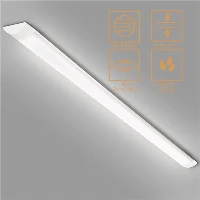
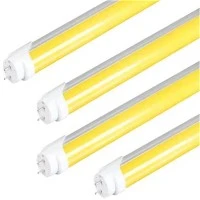
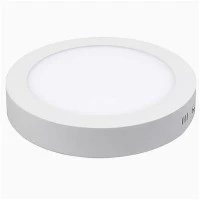
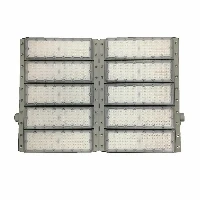
The IP, or Ingress Protection, rating is used to specify how much protection an electronic device has against foreign substances such as water and dust. When discussing LED lights, the IP rating can be an important factor in determining the durability and suitability of the light for different environments. An LED light with an IP65 rating, for example, means that it is highly resistant to dust and water, but is not completely waterproof.
The first digit in the IP rating refers to the level of protection against solid objects, such as dust or sand. The number 6 in IP65 indicates that the light is completely protected against dust that may harm its internal components. The second digit refers to the level of protection against liquids, specifically water. The number 5 in IP65 indicates that the LED light can withstand water jets from any direction, but is not designed to be completely watertight.
LED lights with an IP65 rating are commonly used in outdoor applications such as parking garages, factories, and storage areas where they may be exposed to dust or rain. They are also used in wash-down areas or places where there is a high likelihood of moisture or water exposure. It is important to note, however, that an IP65 rating does not mean the LED light is suitable for completely submerged or wet locations.
When considering purchasing an LED light with an IP65 rating, it is important to keep in mind the specific needs of the application. While an IP65-rated LED light may be suitable for certain outdoor or moist environments, a higher IP rating may be required for more extreme environments or exposure to other substances. It is also important to specify the intended use and the specific IP rating needed to ensure that the LED light is appropriate for the job.
In conclusion, an IP65-rated LED light is highly protected against dust and water, making it a good choice for a variety of outdoor and moist environments. However, it is important to carefully consider the IP rating needed for specific applications to ensure that the LED light is durable and functional in the desired environment.