What is LED
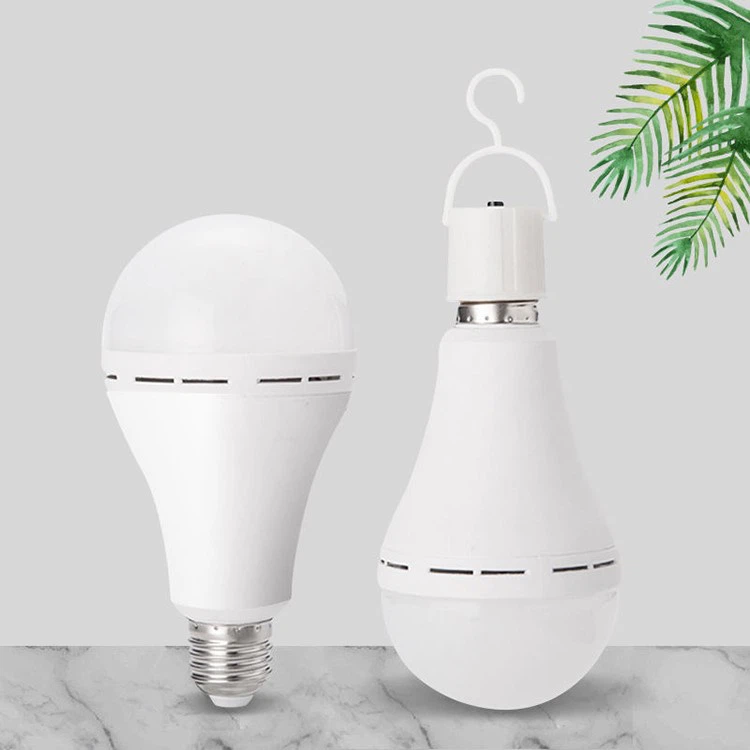
When you go to purchase any electrical device, one of the most frequent technical terms you will encounter is LED. All LED-equipped devices include your smart phone, laptop or desktop computer, house lights, and decorative lamps. We'll attempt to explain what LED is, how it functions, and some of its applications in this post.
Specifying LED
'Light emitting diode' is what the initials LED stand for. An electrical current can only flow in one way through a diode, which is a semiconductor device having two terminals. A visible light is produced when an electric current flows through this diode.
Led structure
Older LEDs were only made in a few colours, primarily red or green, and were constructed from semiconductor materials like gallium arsenide. Modern LEDs are capable of producing light in any colour and are constructed from synthetic materials like p-phenylenevinyl. P-type and N-type semiconductors are the two types of processed materials that make up an LED. The P-N junction is an area formed by the direct contact of these two components. This P-N junction's application determines its shape. This P-N junction has a translucent envelope that lets light energy pass through.
How LEDs Operate
Atoms in the first material in the semiconductor chip become excited to a greater degree of energy that needs to be released when electricity is transferred through the diode. Energy is released in the form of photons, which we perceive as light, as the atoms transfer their electrons to the other components of the chip. Electroluminescence is the name of this phenomenon.
Benefits of LED
Given that they use significantly less voltage and current than fluorescent bulbs of equivalent brightness, LEDs are energy-efficient. They can also be bundled together because they are compact and produce a lot of brightness and luminosity. Faster switching is made possible with LEDs, which are also simple to control and configure. LEDs have a long lifespan and, when put correctly, can last for many years. Because of their resilience to vibration and stress, they are incredibly effective and dependable. Since they don't emit heat or UV rays, LEDs are safe.
LED applications
Different uses for LEDs are possible. Indicator lights, LCD panel backlighting, fibre optic data transmission, remote control, general illumination, traffic signals, camera flashes, advertising signs and optoisolators are just a few examples of common applications. Additionally, they are employed in sensor technology, advanced communications technology, and aviation lighting.
FOR MORE INFORMATION,PLEASE PAY ATTENTION TO BENWEI OFFICIAL WEBSITE!