The 4000K light spectrum for plants refers to a specific range of light wavelengths that are important for plant growth and development. This spectrum is commonly known as cool white light and falls between 3500K and 5000K on the Kelvin temperature scale.
This range of light provides the necessary energy for photosynthesis, which is the process by which plants convert sunlight into energy. Plants that receive a balanced amount of light in the 4000K range are more likely to grow stronger, healthier leaves and stems, and they may also produce more flowers and fruits.
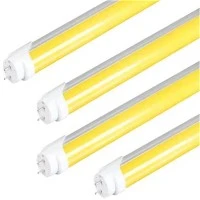
The 4000K light spectrum is particularly useful for indoor plants, as it replicates the natural light conditions found outdoors. When growing plants indoors, it is important to ensure that they receive enough light in this range to foster optimal growth. This can be achieved through the use of LED grow lights or other specialized plant lighting systems.
There are several benefits to using the 4000K light spectrum for plants. One of the primary benefits is increased growth rates. Plants that receive adequate light in this range tend to grow faster and stronger than those that do not. Additionally, plants grown under 4000K light spectrum conditions tend to be more resilient to environmental stresses, such as drought or extreme temperatures.
There are also some potential drawbacks to using 4000K light spectrum lighting. One of the main concerns is that this range of light may produce a lower overall yield than other lighting options. Additionally, some plants may not respond as positively to 4000K light as others. It is important to carefully consider the needs of your specific plant species before deciding on a lighting option.
Overall, the 4000K light spectrum is an important tool for plant growers and enthusiasts alike. By providing this range of light, plants can thrive and grow to their full potential, producing beautiful foliage and flowers. Whether growing plants indoors or outdoors, it is important to pay close attention to the light conditions and ensure that your plants are receiving the right amount and type of light for optimal growth and development.