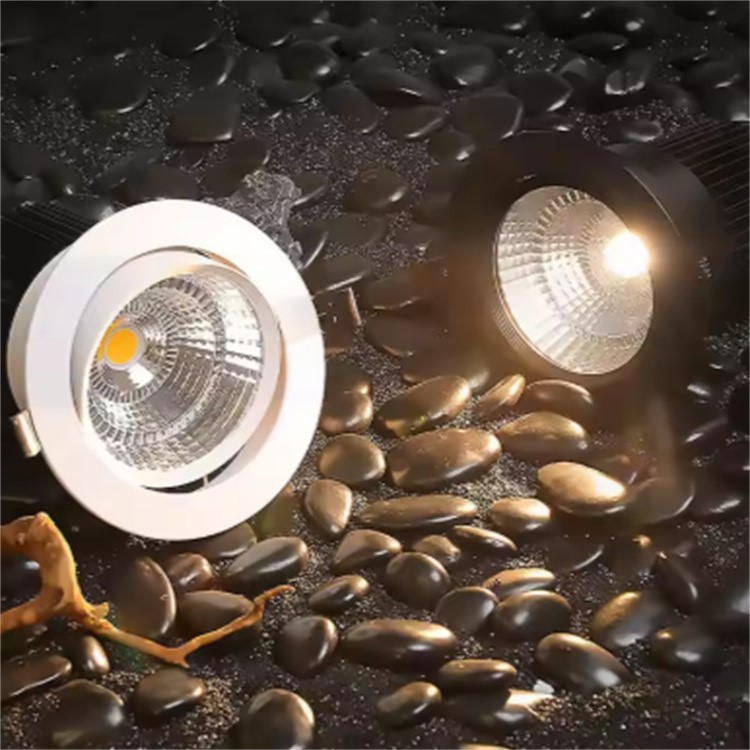
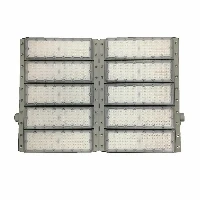
The market provides a large selection of LED downlight solutions at different price ranges for lighting our areas. Even while the draw of a low-cost offer may be alluring, it's important to recognize the key distinctions between low-cost and high-end LED downlights. These variations can affect the fixtures' lifespan and general performance, as well as the energy efficiency and light output quality.
Quality of Light
The quality of the light produced by inexpensive and costly LED downlights is one of the most obvious distinctions between them. Generally speaking, expensive LED downlights provide a more even and constant dispersion of light. They are made with premium optics and diffusers to guarantee that the light disperses uniformly around the space, minimizing glare and harsh shadows. This is especially crucial in spaces like living rooms, dining rooms, and offices where a cozy and aesthetically pleasing lighting atmosphere is preferred.
On the other hand, low-cost LED downlights sometimes have subpar lighting. Hotspots and dark patches in the light output might be distracting and painful for the eyes. Additionally, low-cost LED downlights typically have a poorer color rendering index (CRI). In comparison to natural light, CRI quantifies how well a light source can replicate an object's color. High-end LED downlights can display colors vividly and accurately since they usually have a CRI of 90 or above. Conversely, less expensive models may have a CRI as low as 70 or 80, which would produce colors that seem distorted or lifeless. This may be a major disadvantage in areas where precise color representation is essential, such as kitchens, retail stores, and art galleries.
Efficiency of Energy
Another area where the differences between inexpensive and costly LED downlights are noticeable is energy efficiency. Expensive, high-quality LED downlights are frequently made with cutting-edge semiconductor components and effective drivers. Together, these elements reduce energy loss as heat by converting a higher proportion of electrical energy into light. As a consequence, they use less energy while still producing enough light, which over time can result in considerable electricity bill savings.
However, low-cost LED downlights could employ inferior, less effective parts. Compared to their more costly equivalents, they may use more power to generate the same quantity of light. In addition to raising energy expenses, this also raises the carbon impact. Furthermore, if placed in enclosed or inadequately ventilated areas, less effective LED downlights may produce more heat, which might shorten their lifespan and increase the risk of a fire.
Duration of Life
The quality and cost of LED downlights have a direct impact on how long they last. Overpriced LED downlights are long-lasting. To guarantee long-term dependability, they are built using sturdy materials and put through a thorough testing process. Better-quality LEDs, heat sinks, and circuit boards that can endure the demands of prolonged usage and climatic conditions are frequently used by high-end producers. As a result, there is less need for regular repairs and maintenance because these downlights may last anywhere from 30,000 to 50,000 hours or even longer.
On the other hand, inexpensive LED downlights usually don't last as long. Over time, the lower-quality parts that were employed in their production are more likely to fail. The downlights may completely stop operating if the drivers malfunction or the LEDs begin to fade or flicker too soon. In addition to increasing the overall cost, replacing these low-cost downlights more frequently generates trash since the outdated fixtures wind up in landfills.
Build Design and Quality
The design and construction of LED downlights also differ greatly between low-cost and high-end ones. Expensive LED downlights are frequently expertly and meticulously made. They are constructed from premium materials like die-cast metal or aluminum, which not only improve heat dissipation but also offer the fixtures a more robust and attractive appearance. These downlights' coatings are often more resilient to fading and scratches, guaranteeing that their appearance will hold up over time.
Cheap LED downlights, on the other hand, are frequently constructed from thin metals or inferior plastics. These materials could not dissipate heat as well, which might cause overheating and shorten the downlights' lifespan. Cheaper versions may also have less sophisticated designs, with sharp edges, shoddy fit and finish, and a more generic appearance. Their adaptability in terms of visual attractiveness may be limited because they might not mix in as well with other home design styles.
Features for Safety
When it comes to lighting fixtures, safety is a crucial factor, and there is a noticeable difference between inexpensive and high-end LED downlights in this area. Numerous safety measures are frequently included with pricey LED downlights. They could feature built-in surge, short-circuit, and overheat protection, which lowers the chance of fire and helps stop electrical problems. Additionally, these downlights often meet stringent safety requirements and certifications, guaranteeing their suitability for usage in a variety of settings.
Conversely, low-cost LED downlights can not have these crucial safety features. There is a greater chance of electrical shock if they are not adequately insulated. Furthermore, they are more prone to malfunction and provide a fire danger in the absence of proper protection against overheating and electrical surges. Using such subpar downlights might endanger the safety of your family members or staff as well as your property.
In conclusion, despite their low cost, inexpensive LED downlights frequently have trade-offs in terms of light quality, energy efficiency, longevity, construction quality, and safety. Although purchasing more costly, high-quality LED downlights may cost more up front, there are several long-term advantages, such as improved safety, reduced energy costs, higher illumination performance, and less maintenance. To guarantee you receive the most value for your money, it's critical to weigh these distinctions when selecting LED downlights and base your choice on your budget and particular requirements.