When it comes to hazardous environments, safety is paramount. In settings where the potential for explosions exists, it is critical to take precautions to prevent the ignition of flammable materials. Explosion proof and explosion resistant are two terms that are often used interchangeably, but they actually have distinct meanings.
Explosion proof refers to an electrical equipment that has been designed and constructed in such a way that it can contain an explosion that may occur within it. Essentially, it is a piece of equipment that is meant to prevent an explosion from happening in the first place.
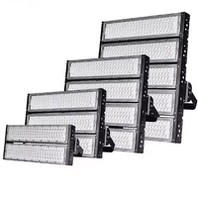
Explosion proof items, such as motors and lighting fixtures, are typically used in settings where there is a high risk of combustible gases or dusts, such as in industrial plants, chemical processing facilities, and oil refineries.
Explosion resistant, on the other hand, refers to a building or structure that has been designed to withstand the force of an explosion that has already occurred. In other words, it doesn't prevent the explosion from happening, but it can help to minimize the damage and protect the people and equipment inside. Explosion resistant buildings and structures are often used in areas that are highly explosive, such as military installations, ammunition depots, and laboratories that deal with explosive materials.
To make the distinction clearer, think of it this way: an explosion proof item is like a fire extinguisher, which is designed to prevent a small fire from becoming a larger blaze. An explosion resistant structure is like a bomb shelter, which is meant to protect against the force of an explosion that has already occurred.
It's important to note that while explosion proof and explosion resistant may sound similar, they cannot be used interchangeably. It is critical that anyone working in hazardous environments understands the difference between the two and uses the appropriate equipment and structures to ensure their safety.
In conclusion, while explosion proof and explosion resistant are related terms that both relate to safety in explosive environments, they have different meanings. Explosion proof is designed to prevent explosions from happening, while explosion resistant is designed to minimize the damage from explosions that have already occurred. Understanding these differences is essential for anyone working in hazardous environments.