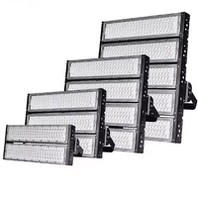
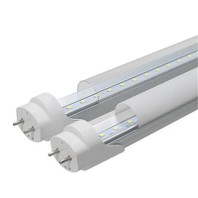
Vapor tight and explosion proof lights are two types of lighting that are commonly used in hazardous environments or locations where extreme temperature differentials exist. While both lights are designed to ensure safety in potentially dangerous environments, there are some key differences that set them apart.
Vapor tight lights are designed to protect against moisture and dust ingress. A vapor tight fixture is often used in areas where there is excess moisture or the risk of water damage. These fixtures are constructed with a tight seal that keeps moisture and other contaminants out, and are typically used in areas where there is a high degree of humidity or where water may be present, such as in food processing plants, parking garages, and pool areas.
Explosion proof lights, on the other hand, are designed to prevent explosions from occurring in areas that may contain flammable gases, vapors, or dust. Explosion proof lights are made to withstand the high-pressure environments that can result from an explosion, and are typically used in facilities where there are flammable gases and chemicals present, like refineries, chemical plants, and even paint booths.
One of the main differences between the two fixtures is their level of durability. Vapor tight fixtures are typically made of materials that can withstand exposure to water and other liquids, while explosion proof fixtures are designed to withstand the high pressures and temperatures that can be generated during an explosion.
Another difference between the two types of fixtures is their level of protection. Vapor tight fixtures are designed to protect against moisture and other contaminants, but they do not offer any protection against explosion or fire. Explosion proof fixtures, on the other hand, are designed to contain an explosion within the fixture, preventing it from spreading to other areas of the facility.
The level of certification required for each fixture also differs. Vapor tight fixtures are generally required to meet industry standards set by organizations like the National Electrical Manufacturers Association (NEMA) and the International Electrotechnical Commission (IEC). Explosion proof fixtures must comply with much more stringent standards set by organizations like the Underwriters Laboratories (UL) and the Canadian Standards Association (CSA).
In summary, while vapor tight and explosion proof fixtures are both designed to provide protection in hazardous environments, they serve different purposes. Vapor tight fixtures are designed to protect against moisture and contaminants, while explosion proof fixtures are designed to contain an explosion. Both types of fixtures must meet industry safety standards, but the level of certification required is higher for explosion proof fixtures.