UV printing is a cutting-edge printing technique that is quickly becoming popular across industries due to its accuracy and efficiency. It is a unique method that uses ultraviolet light to instantly cure ink on various materials, making it practical and versatile. Whether the goal is to ensure long-lasting designs or create stunning visuals, UV printing has become a game-changer in the world of customization, opening up endless possibilities for both creatives and businesses. Let's examine what UV printing is, how it operates, its advantages and disadvantages, and how it stacks up against other printing techniques.
What is UV printing and how does it work?
UV printing is a digital printing method where ink is transferred to a surface and instantly dried or cured using ultraviolet radiation. It uses high-intensity UV lamps to solidify the ink, differing from traditional printing techniques that rely on heat.
Thanks to the UV printing process that instantly cures ink with ultraviolet light, the ink can adhere firmly to the substrate (also referred to as the "substrate") without smudging or spreading.
UV printing gained popularity in the early 2000s, and this technological innovation has completely transformed the printing industry.
The UV printing process is straightforward, with the following specific steps:
Use Mimaki inkjet printers and Inkcups Helix printers to print designs directly onto items.
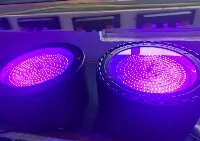
After the ink comes into contact with the printing surface, ultraviolet light cures it, causing it to polymerize instantly and form a hard coating.
The printed patterns from UV printing are vivid in color, detailed, and free of blotchy pigment marks. Meanwhile, the instant curing of ink by ultraviolet light gives the patterns a glossy finish, which better highlights the colors.
The recognized advantages of UV printing mainly include two aspects:
Good environmental friendliness: The fast curing process reduces waste and produces almost no volatile organic compounds (VOCs); the UV LED lamps used consume less energy, making it a more energy-efficient option compared to traditional heat-based printing techniques.
Excellent printing quality: It can accurately reproduce complex graphic patterns.
UV printing pros
UV printing is a distinctive printing method with many special advantages that make it more than just a fad.
Instant drying: After printing, prints are immediately usable. This is ideal for fast-paced industries like retail since it avoids production bottlenecks and saves valuable time.
Versatility: Paper, metal, and even wood may all be printed on with UV printers. For instance, businesses that offer packaging and signs benefit greatly from this flexibility. It makes it possible for you to produce original branding solutions and creative designs.
Durability: Long-lasting results are guaranteed by UV-cured ink's resistance to fading, scratches, and water damage. This function is quite helpful to companies that make promotional and outdoor goods.
Bright colors: UV printing produces crisp, eye-catching graphics since the ink doesn't sink into the substrate. These vivid images are used in creative fields like graphic design and advertising to create powerful campaigns.
Precision: Perfect for detailed graphics, UV printers produce complex designs with sharp edges. This unmatched accuracy helps sectors like electronics and medical gadgets, whether it's text or intricate images.
Environmentally friendly: UV printing avoids the hazardous volatile organic compounds (VOCs) that conventional solvent-based printing usually releases and generates very little waste. For companies that prioritize sustainability, especially those with eco-friendly product lines, this makes it a cleaner choice.
Cost effectiveness for small quantities: Because UV printing eliminates waste and overhead, it may be less expensive than other techniques for specialized, small-batch projects. Small firms depend on this cost-effectiveness for prototypes and customized marketing materials.
UV printing cons
Despite its many advantages, UV printing has certain disadvantages.
Size restrictions: Large-format projects may be limited by the size restrictions of the majority of UV printers. Businesses may need to look for alternative printing techniques for large posters or banners.
Initial cost: For novices wishing to print in-house, UV printers and inks represent a substantial investment. This upfront cost may be difficult for startups to bear before they see long-term gains.
Maintenance: To keep the UV lamps and print heads operating correctly, regular maintenance is required. If maintenance schedules aren't followed, industries that use UV printers frequently have downtime.
Learning curve: It takes time to become proficient at UV printing, particularly when working with more intricate materials or designs. As they get used to the material settings, novice designers may at first produce inconsistent outcomes.
Limitations of the materials: Despite their versatility, not all materials can be used with UV printing; some might need to be pre-treated. For example, some rubber varieties might not adhere, which would make things more difficult.
Variability in finish: Some substrates may not produce the glossy or textured finish that is intended. For high-gloss finishes, industries such as luxury packaging may require alternative techniques.
electricity consumption: Although UV printing is better for the environment, there is a cost: compared to conventional drying techniques, the UV lights needed for curing use more electricity. For companies that prioritize sustainability, this entails striking a balance between environmentally friendly aspects and energy-saving techniques, such as the use of LED UV lights, which use less energy than conventional UV curing systems.
What can you UV print on?
There are no limits to UV printing! These are some typical substrates, which range from commonplace objects to industrial materials.
Vibrant graphics with a glossy finish are produced by UV printing on glass. It's perfect for unique drinkware, home décor, and personalized signs. Because of the ink's strong adhesion, designs are protected from wear and scratches. Although pre-treatments may be required to enhance ink adhesion, the benefits-original, superior prints-make them worthwhile. Glass printing creates chances for imaginative branding and promotion in addition to offering exclusive product modification.
Ceramic surfaces work well for UV printing, creating eye-catching, vivid, and scratch-resistant graphics. UV printing on ceramics produces a glossy, long-lasting surface for everything from personalized mugs to ornamental tiles. The designs are guaranteed to stay intact even after frequent use because of the ink's strong bond with the ceramic surface. It works well for both decorative and practical objects.
UV printing on metal provides crisp, long-lasting images for a variety of applications, including industrial and decorative. Applications such as branded nameplates, trophies, and signs are perfect for it. The cured ink is a dependable option for outdoor use because it doesn't fade or corrode. UV printing on metal produces a superior finish that elevates any design, whether it is being used for practical or decorative reasons.
UV printing gives wood surfaces a polished, expert appearance. UV printing provides fine details while maintaining the wood's organic feel for everything from personalized plaques to unique furniture designs. It is a well-liked option for rustic décor and personalized gifts. Wood and UV printing work together to produce high-quality, fashionable goods.
A common material for UV printing is plastic. UV printing creates durable, vibrant patterns for everything from phone cases to packaging. By preventing ink absorption, this technique maintains vibrant, genuine colors. Although UV printing can be used to print on a variety of plastic products, some plastics might need to be pre-treated for best results.
UV printing and acrylic surfaces work together to provide eye-catching, superior results. UV printing guarantees that the ink applies easily to acrylic, giving signage and decorative panels a polished, businesslike appearance. Because of its durability and scratch resistance, the cured ink is a popular option for both creatives and corporations.
Leather offers a distinctive and opulent appearance, making it a great material for UV printing. UV printing creates distinctive, detailed graphics for everything from personalized wallets to branded journals. Durability and a high-end finish are guaranteed by the cured ink's strong adhesion to leather. Because of this, leather UV printing is perfect for personalized mementos, business presents, and fashion accessories.
Although UV printing isn't the best option for textiles, it does work well for more stiff fabrics like banners or tote bags. The cured ink gives fabric-based products a distinctive touch by assisting in the creation of striking patterns. For designs that must be distinctive, UV printing on cloth is a fantastic choice, particularly for displays or promotional products.
UV printing compared to other printing techniques
Let's examine how UV printing compares to other printing methods, although it offers intriguing potential for a variety of uses.
UV vs. sublimation printing
Sublimation printing uses heat, pressure, and time to transfer dye into materials. It is only effective on light-colored surfaces that are 100% polyester, polymer-coated, or blends of polyester, but it works well on fabric and coated objects. However, UV printing offers greater adaptability because it can print on almost any hue and a wide variety of materials.
The main advantage of sublimation is that it creates seamless designs for textiles (fabrics made of polyester) by embedding the ink into the fabric for a smooth finish. However, UV printing makes it possible to produce vivid graphics on a wide range of substrates, including hard surfaces like metal or glass and dark textiles.
UV printing is a popular option for outdoor applications because of its quick drying process, which also guarantees durability and weather resistance. The final decision between sublimation and UV printing is based on the particular needs of your project, such as the material, durability, and finish that you want.
UV vs. screen printing
A mesh screen and stencil are used in the conventional process of screen printing. It is a cost-effective option for large-scale projects like banners or t-shirts because it performs well in bulk orders. Because separate screens are required for each hue, this printing method struggles with complex details or multicolor designs but generates vivid, long-lasting colors.
On the other hand, UV printing excels in precisely creating intricate, multicolored graphics. It offers flexibility across a variety of materials, making it especially beneficial for small batches or customized projects.
Although UV printing costs more per unit up front, it saves preparation time by doing away with the need for stencils. Compared to screen printing, UV printing offers unparalleled adaptability for companies that specialize in producing detailed, high-quality prints for a variety of substrates.
UV vs. DTG (direct-to-garment)
DTG printing is a textile specialty that produces soft, superior prints directly onto clothing, such as personalized t-shirts. With its vivid colors and organic texture, it works especially well for complex designs on cotton or blended textiles. However, DTG printing only works on clothing and has trouble printing on non-textile materials. In contrast, UV printing works with a wide range of substrates, including metal and acrylic, which are stiff surfaces.
UV printing stands out for its durability and versatility across many fabrics, whereas DTG is superior in garment applications because of its soft texture and washability. DTG is a great option for companies who specialize in clothing. UV printing is perfect for a variety of product collections because it is more adaptable for non-fabric modification projects.
UV vs. DTF (direct-to-film)
DTF printing is the process of heat-pressing designs into clothing after they have been transferred onto a specific film. It is excellent at creating intricate, long-lasting designs on a range of textiles, such as blends of cotton and polyester. DTF's stretchability, elasticity, and washability make it perfect for clothing.
In contrast, UV printing provides better scratch and water resistance and works with a wider variety of materials, including hard surfaces like glass and wood. UV printing is more appropriate for non-apparel objects and projects requiring durability and material versatility, whereas DTF is ideal for garment-focused projects requiring colorful, stretchable graphics.
How to prepare a design file for UV printing
It's critical to comprehend how the UV printing process works with your design file in order to maximize the benefits of this technology. In contrast to conventional printing techniques, UV printing ensures crisp print results on the media by using special inks that cure rapidly when exposed to UV light. Utilizing the UV curing process, this method delivers only the advantages of UV printing-durability and uniform quality-while avoiding usual problems like smudging or ink absorption.
While it's easy, getting your design ready for UV printing is essential for optimal outcomes. First, make sure your artwork is in PNG or JPEG format, 2.93 × 6.1 inches, and 300 DPI (dots per inch). Steer clear of gradient colors that tend to blend together or tiny details that could print fuzzy. To prevent any surprises, examine your design and double-check the measurements to ensure that all significant graphic elements are contained within the safe print area.
For optimal results, download the product guidelines from the File guidelines tab on the product page of your choice if you're using Printful for UV print technology. You can guarantee flawless, superior prints by taking care of any problems in advance.


https://www.benweilight.com/industrial-lighting/led-flood-light/uv-led-flood-light.html
Our address
No. 5-3 Niujiao Road, Yanchuan Community, Yanluo Street, Bao'an District, Shenzhen
Phone Number
+86 18659785153
bwzm04@ledbenweilighting.com