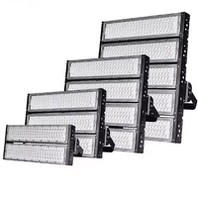
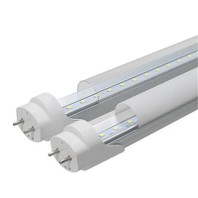
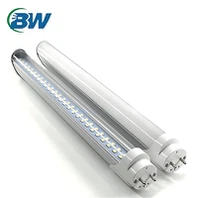
UVC germicidal lamps are devices that emit ultraviolet-C (UVC) radiation in order to kill or inactivate bacteria, viruses, and other harmful microorganisms. This type of UV light is capable of destroying the genetic material of pathogens, rendering them unable to replicate or cause infection.
UVC germicidal lamps are commonly used in a variety of settings, from hospitals and laboratories to homes and public spaces. They are particularly useful for disinfecting surfaces and air in areas that are susceptible to contamination.
These lamps work by emitting short-wavelength UVC radiation, which is not visible to the naked eye. This radiation has a high enough energy level to break chemical bonds in DNA and RNA molecules, ultimately leading to destruction of the pathogen.
The use of UVC radiation for disinfection has a long history, dating back to the early 1900s. Today, UVC germicidal lamps are widely used in a variety of applications, including water treatment, food processing, air purification, and medical equipment sterilization.
However, it is important to note that UVC radiation can also be harmful to humans if not used properly. Exposure to high levels of UVC radiation can cause skin and eye damage, as well as other health risks. Therefore, proper handling and protective measures must be taken when using these lamps.
In conclusion, UVC germicidal lamps are an effective tool for disinfection and sterilization in a variety of settings. Their use can lead to improved hygiene and reduced risk of infection. However, it is important to use them safely and in accordance with recommended guidelines in order to avoid any potential health risks.