Bug lamps entice insects drawn to light, such as flies and moths. They are used by farms to catch pests as well as by scientists to gather insects for research. Bug zappers, which attract insects and then destroy them, are also frequently found in backyards. Because these zappers eradicate anything they come into contact with, both pests and helpful creatures are eliminated.
What Kinds of Animals Do They Draw?
Moths, grasshoppers, flies, and beetles are examples of insects with positive phototaxis that are attracted to bug lights by nature. The term phototaxis, according to Discovery Place, "describes how an organism reacts to light with movements." For example, cockroaches have negative phototaxis, meaning that light repels them. Cutworms, leafhoppers, and maize borers are some other insects that are drawn to light. Bugs are drawn to lights with high UV radiation levels, which is good if you want to zap them but bad if you just want to keep them away from your veranda or terrace.
The American Mosquito Control Association claims that bug zappers, also known as black light insect electrical instruments, are not very effective against mosquitoes and other attacking insects (AMCA). According to recent research, bug zappers only significantly reduce the amount of mosquitoes that perish, especially the female mosquitoes that bite. The mosquito numbers in yards with and without them were identical, in reality. Some makers make their insect lights with a mosquito attractant to make up for this flaw. The attractant, not the light, is what causes the biting bug to fly into the gadget.
Problems with Insect Lamps
In his article for The New York Times, Doug Mahoney points out that although bug lights are very efficient at killing insects, they frequently target the incorrect kinds. Songbirds eat these invertebrates, which also help with fertilization. According to AMCA, a decline in insects may be the cause of a decline in songbird numbers in regions where bug lights are frequently used. The majority of insects that are destroyed are helpful; for example, bug zappers for wasps eliminate insects that keep other pests under control.
The potential for the transmission of disease, bacteria, or parasites after the carcasses of the insects have been eliminated by a bug zapper is another disadvantage that hasn't been thoroughly researched. Because of this, the International Association of Certified House Inspectors' specialists advise against placing an insect lamp close to a cooking or eating area. This advice is given for the same reason that you shouldn't display a bug lamp in a place where people might breathe in the bugs' remnants.
substitutes for bug lights
By maintaining a manicured grass, getting rid of weeds, and emptying birdbaths and other areas where water may collect, you can get rid of reproductive areas in your yard. In order to prevent garbage cans from accumulating water when it rains, keep your gutters clear and cover them. Use a larvicide to eliminate larvae if you have a swimming pool or pond that you don't want to empty. They come in liquid, granule, and tablet versions, and are sold in landscaping and home improvement shops. If you require outdoor illumination, LED lamps are preferable to incandescent ones.
Each hour, brown bats consume hundreds of stinging insects. Installing a bat home might help entice them to settle down. When you're outside, use an insecticide with DEET or picaridin, or apply permethrin to your garments. Pets are susceptible to DEET, the ASPCA warns, so keep that in mind. Contrary to popular perception, citronella is not very effective at keeping insects away, but there are tabletop devices that do so by lightly spraying them with pesticide. Fans that keep the air flowing repel mosquitoes if they are your main nuisance.
Why is yellow light effective, but with varying degrees of effect?
Scientific Principle: Mosquitoes' Visual Preferences
The compound eyes of mosquitoes and other flying insects are highly sensitive to short-wavelength light (such as ultraviolet and blue light), which strongly attracts them; however, they have a weak ability to perceive long-wavelength light (such as yellow and red light). Therefore, yellow light or low color temperature LEDs have a very low "presence" for mosquitoes, significantly reducing attraction. Studies have shown that mosquitoes exhibit a clear avoidance behavior towards light waves of 570-590nm.
"Not attracting" is not the same as "repelling" or "killing"
This is the key difference: Yellow light is simply "low-key," not actively attracting mosquitoes, but it doesn't emit "mosquito-repelling waves" that mosquitoes dislike. Mosquitoes track prey primarily through smell (carbon dioxide) and heat sensing, so even under yellow light, people can still be bitten as long as they breathe and radiate body heat. Ultraviolet mosquito killer lamps, on the other hand, actively emit light waves that mosquitoes cannot resist, attracting and killing them from a distance.
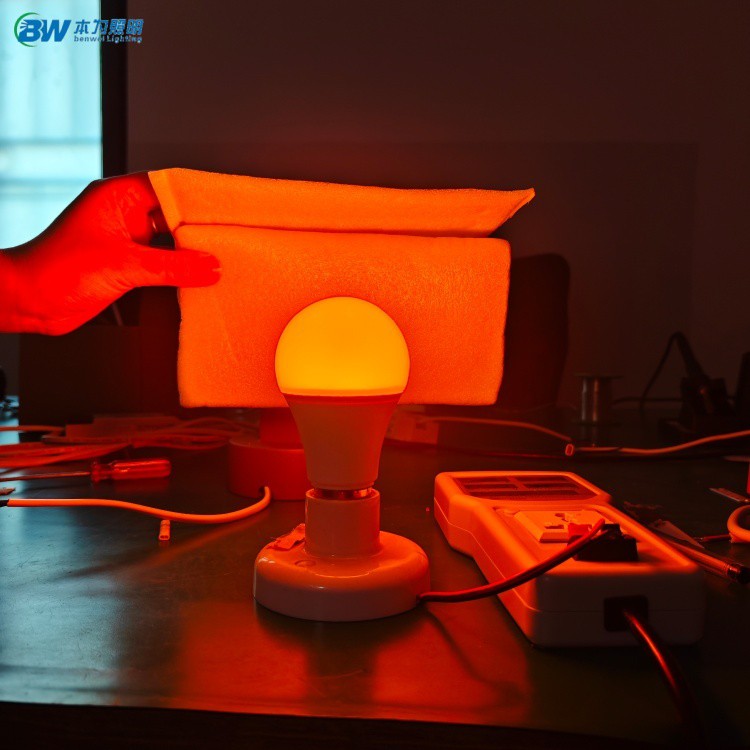
A more optimized solution: a new generation of insect-repellent LEDs. Specialized products have appeared on the market: white light is produced by combining red, green and blue narrowband light, which is less attractive than traditional broadband white light; some manufacturers have also launched "mosquito-repellent light strips" with 530-590nm amber light; and some products can switch to an ultra-low color temperature of 1850K "mosquito-repellent mode", achieving both lighting and insect repellency.
590nm Led Bulb
590nm Led Tri-proof Light

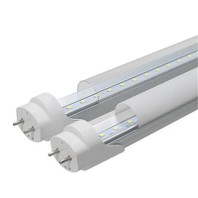
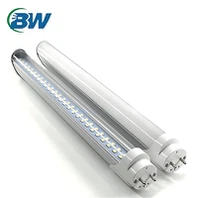
UV 365nm 395nm T8 Tube
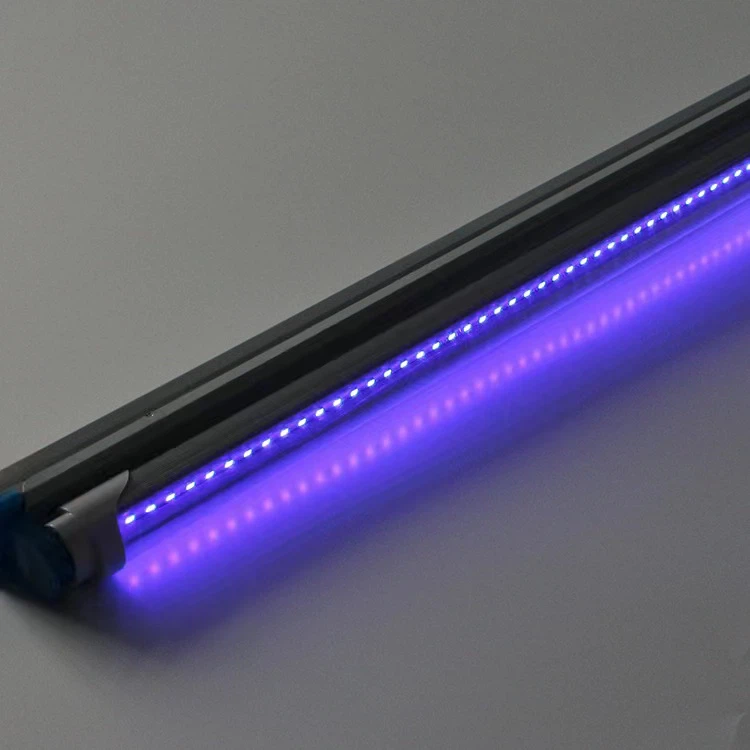
Benwei UV 120cm led tube black light Product Specification:
|
Item |
UV led light tube bulb T8 |
|
Input Volt |
AC85-265V |
|
Power |
10W,18W,24W |
|
Length |
60cm/2ft, 120cm/4ft, 150cm/5ft |
|
Bean Angle |
120°, 180° |
|
Lifespan |
50000 hrs |
|
Wavelength |
365nm 395nm 254nm 280nm |
|
Warranty |
3-5 years |