Stadiums require bright and efficient lighting to provide adequate illumination for players, spectators, and officials alike. The primary objective of stadium lighting is to produce uniform illumination across the entire playing field.
The most common type of lighting used in stadiums is Metal Halide lamps, which offer excellent color rendering and brightness. This type of lighting is popular because the light produced closely resembles daylight, making it ideal for high-definition broadcast and TV coverage.
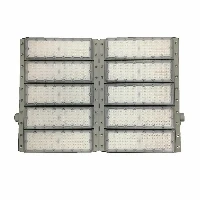
Another popular type of lighting is LED lighting. LED technology has come a long way in recent years, and it now offers bright and efficient illumination. One of the main advantages of LED lights over Halide lamps is longevity. LED lights have a longer lifespan, which means they require less maintenance and fewer replacements.
The type of lighting used in stadiums can also impact energy-consumption and environmental factors. LED lights, for example, are energy efficient and last significantly longer than Metal Halide lamps. This allows the team or stadium to conserve energy and reduce their carbon footprint.
At the same time, Metal Halide lamps still have their place in stadium lighting and remain a popular choice. They are cost-effective and provide high-quality illumination. Halide lamps also have a quick warm-up time, making them ideal for sports events that require instant illumination.
In conclusion, both Metal Halide lights and LED lights are widely used in stadiums, and the choice will depend on specific needs, budget, and energy considerations. Regardless of which type of lighting is chosen, the primary objective is to create a bright and uniform illumination that enables players to see clearly and spectators to enjoy the game.