What are the key distinctions between a standard bulb and a T-bulb?
In the realm of lighting, the variety of alternatives that are accessible to customers has substantially increased throughout the course of the intervening years. The conventional light bulb and the T-bulb are two variations of lighting fixtures that are often used. There are a number of important differences between the two, including their design, technology, energy efficiency, lifetime, and uses, despite the fact that both fulfill the fundamental function of lighting rooms. When it comes to selecting lighting solutions for their homes, workplaces, or business organizations, individuals may benefit from having a better understanding of these distinctions, which can help them make more educated judgments.
Both the Design and the Outward Appearance
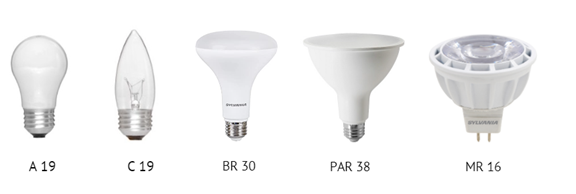
The design of a bulb and a T-bulb is one of the most distinguishing characteristics that differentiates the two types of light bulbs. A spherical or pear-shaped design is typical for traditional bulbs, which include incandescent, halogen, and many LED bulbs. These bulbs are also known as conventional bulbs. Standard sockets, such as the E26 (Edison 26 - mm screw - base), which is extensively used in the United States, are designed to be compatible with their compact and symmetrical base, which is designed to accommodate standard sockets. This design enables a light dispersion that is 360 degrees, making it a great choice for general ambient lighting in a variety of fixtures such as table lamps, floor lamps, and ceiling lights.

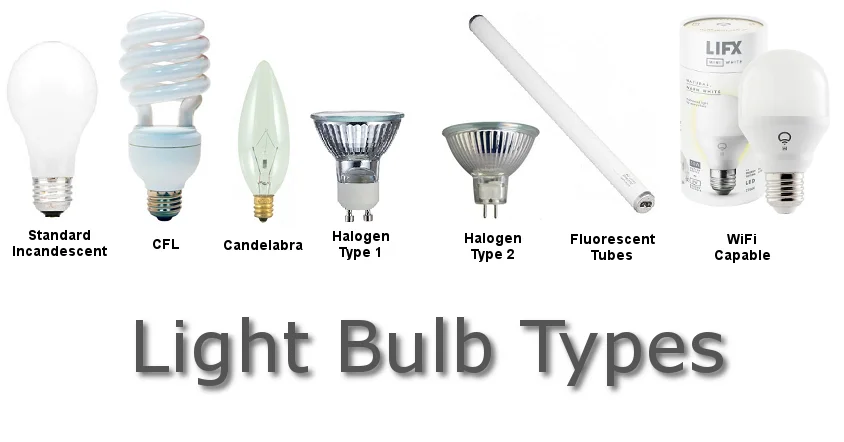
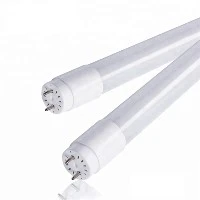
T bulbs, on the other hand, are characterized by their cylindrical and elongated shape. They are sometimes referred to as T-shaped fluorescent bulbs or LED tubes with the same name. When the letter "T" is followed by a number (for example, T5, T8, or T12), it specifies the diameter of the bulb in eighths of an inch of measurement. A T8 bulb, for instance, has a diameter of one inch, which is equivalent to eight and a half inches, but a T5 bulb is smaller, having a diameter of five and a half inches. Because they have a structure that is similar to a tube, they are able to provide a light output that is concentrated and linear. This makes them useful for certain lighting applications that need directed or linear illumination.
The Technology of Lighting
There is a significant amount of variation in the technology that is used in bulbs and T-bulb, which has an effect on their performance, the amount of energy they use, and the influence they have on the environment.
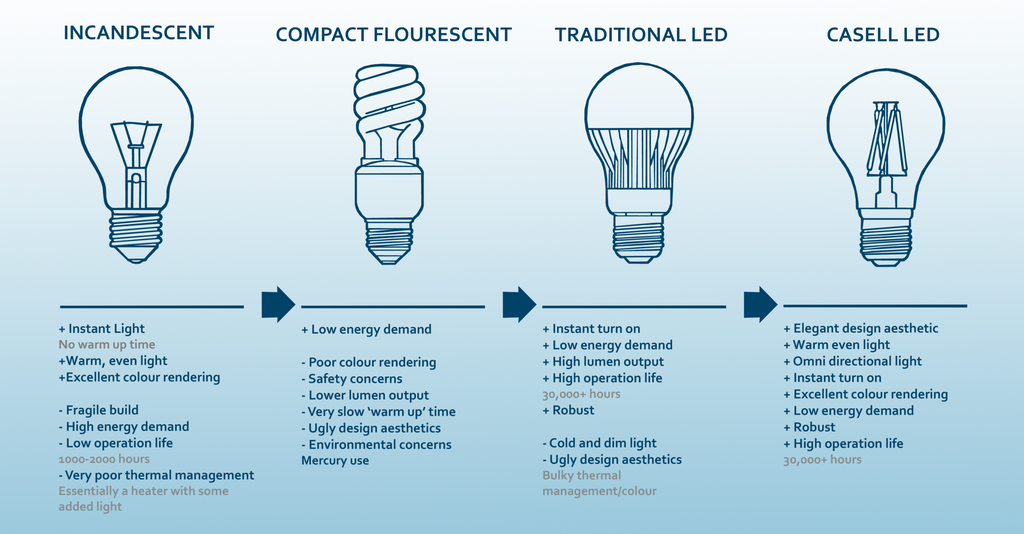
The concept of incandescence is the basis for the operation of traditional incandescent bulbs, which are the oldest available form of electric light bulb. As a result of an electric current flowing through a tiny tungsten filament that is contained within the bulb, the filament eventually reaches a high temperature and begins to create light. This process, on the other hand, is extremely inefficient since a considerable quantity of energy is lost in the form of heat rather than being turned into light. Incandescent light bulbs generally only convert between 5 and 10 percent of the electrical energy that they use into visible light, with the remaining energy being lost as heat.
An upgrade over incandescent lights, halogen bulbs likewise rely on incandescence but employ a halogen gas (such as iodine or bromine) inside the bulb. Halogen bulbs are an improvement over incandescent bulbs. This gas contributes to the recycling of the tungsten atoms that evaporate off the filament, which in turn serves to extend the life of the bulb and somewhat improve its efficiency in comparison to conventional incandescent lights.
LED (Light-Emitting Diode) bulbs, which have seen a surge in popularity over the past few years, are the result of the application of semiconductor technology. Subsequent to the passage of an electric current through the semiconductor material, electrons undergo recombination with electron holes, resulting in the release of energy in the form of photons, which ultimately leads to the emission of light. Light-emitting diode (LED) bulbs are extremely energy-efficient due to their ability to convert up to 80–90% of the electrical energy that they use into light. Additionally, they have a long lifespan, the ability to create a wide variety of color temperatures, and the capability to be dimmed with ease.
T-bulb, particularly fluorescent bulbs, function according to a different principle than other types of light bulbs. In addition to a phosphor coating on the inner surface of the tube, fluorescent T-bulb models include a trace quantity of mercury vapour contained within them. After being ionized by an electric current, the mercury vapor subsequently emits ultraviolet (UV) light. This occurs when the electric current is applied. The ultraviolet light is taken in by the phosphor coating, which then produces visible light as a result of its absorption. When compared to incandescent bulbs, fluorescent T-light bulbs have a higher energy efficiency rating; nonetheless, they have a lower efficiency rating than LED bulbs. Furthermore, because fluorescent bulbs contain mercury, they must be disposed of in a certain manner in order to avoid spreading pollution to the surrounding environment.
When it comes to modern T-bulb technology, LED tubes are frequently used. These tubes offer the same advantages as LED bulbs in a tube-shaped form. LED T-light bulbs are superior to their fluorescent counterparts in terms of energy efficiency, lifetime, and environmental friendliness. Additionally, LED T-light bulbs have a longer lifespan.
Efficiency in Energy Use
When comparing light bulbs with type T bulbs, energy efficiency is an essential component to take into account. This is especially true in this day and age, when customers are placing a high priority on reducing their energy consumption and saving money.
Incandescent light bulbs are the least energy-efficient type of light bulb, as was explained before. For instance, an incandescent bulb with a power output of sixty watts may be capable of producing a particular quantity of light, but an LED bulb with the same level of brightness may only require eight to ten watts of electricity. Considering the huge difference in power usage, it is possible that using LED lights might result in significant cost savings on electricity bills over the course of time.
The energy consumption of halogen lights is higher than that of LED and some fluorescent T-bulb types, despite the fact that they are more energy-efficient than incandescent lamps. Although a halogen bulb may be able to generate a brighter light for a given wattage than an incandescent bulb, it still loses a significant amount of energy in the form of heat.
In comparison to incandescent and halogen bulbs, fluorescent T-bulb light bulbs, such as T8 and T5 fluorescent tubes, have a higher energy efficiency rating. In comparison to the quantity of power that is consumed, they are able to generate a greater lumen output, which is a measurement of the total amount of visible light that is emitted by a source. In contrast, LED T-light bulbs are more efficient in terms of energy use than fluorescent T-light bulbs. The lumen-per-watt ratios of LED T bulbs can be even greater than those of conventional light bulbs, which means that they are able to generate more light while consuming less power. Because of this, LED T-light bulbs are a good option for people who are concerned about their energy use as well as businesses who are aiming to minimize their carbon footprint and energy consumption.
Duration of life
A lighting fixture's lifespan is another crucial factor to take into consideration since it has an impact on the amount of money spent on maintenance and the number of times it has to be replaced.
The average lifespan of an incandescent bulb is between 750 and 2,000 hours, which is considered to have a very low lifespan. This indicates that they need to be changed on a regular basis, particularly in regions that receive a lot of foot traffic. Although they have a lifespan that is far longer than that of incandescent bulbs, halogen bulbs typically have a lifespan of between 2,000 and 4,000 hours.
In comparison to incandescent and halogen bulbs, fluorescent T-bulb life spans are significantly longer than those of the latter two. It is possible for a conventional T8 fluorescent bulb to have a lifespan of around 10,000 to 20,000 hours. LED bulbs and LED T-bulb, on the other hand, beat all other varieties in terms of their lifespan characteristics. Depending on the quality of the LED bulb and the conditions under which it is used, its lifespan can range anywhere from 25,000 to 50,000 hours or even more. Additionally, LED T-bulb performance is comparable to that of traditional light bulbs. This prolonged lifetime not only lessens the inconvenience of having to replace it frequently, but it also greatly decreases the amount of money that is spent on maintenance over the course of time.
Various Requests
Bulb and T-bulb are two different types of light bulbs, and each kind has a unique set of uses due to the differences in their design, technology, energy efficiency, and longevity.
Traditional light bulbs, which emit light in all directions, are an excellent choice for general lighting solutions in residential settings. Table lamps, bedside lamps, and ceiling-mounted fixtures are prominent applications for these materials, and they are typically found in living areas, bedrooms, and dining rooms. The warm and gentle light that they emit is also excellent for the purpose of producing an ambiance that is pleasant and inviting in domestic situations. In addition, chandeliers and pendant lights frequently make use of ornamental bulbs, such as those with unusual forms or colored glass, with the goal of enhancing the overall aesthetic look of the fixture.
In commercial and industrial applications, T-bulb light bulbs are frequently utilized because of their linear design and the concentrated light output they produce. For instance, fluorescent T8 or T5 tubes are frequently used in ceiling fittings in various establishments such as workplaces, schools, and hospitals. These tubes are designed to give bright and consistent illumination across broad regions. Additionally, they are utilized in warehouses, garages, and other industrial places where it is necessary to have illumination that is both intense and reliable for an extended period of time. Due to their higher energy efficiency and longer lifespan, LED T- bulbs are gradually replacing fluorescent T- bulbs in various applications. This is because LED T- bulbs have a longer lifespan. There are also instances in which T-bulb lighting is utilized in specific types of contemporary architectural lighting designs. This is because the linear shape of the T-bulb may be incorporated into the overall aesthetic of the structure.
Despite the fact that both light bulbs and T-bulb light bulbs serve the function of giving light, there are considerable variations between the two types of light bulbs in terms of their design, technology, energy efficiency, lifespan, and uses. T-bulb lighting is frequently the favored option for commercial and industrial applications that demand linear, high-intensity illumination. Traditional bulbs, on the other hand, are better suited for general, ambient lighting in domestic settings. Consumers today have more alternatives than ever before to pick lighting solutions that match their unique demands in terms of performance, energy savings, and cost-effectiveness. This is a direct result of the continual improvement of lighting technology, particularly the advent of LED-based lighting.
More detailes about T-bulb:https://www.benweilight.com/lighting-tube-bulb/led-bulb-light/powerful-t-bulb-encased-in-durable-plastic.html