Why Are Industrial-Grade High-Temperature LED T8 Tubes Crucial for High-Temperature and High-Humidity Industrial Scenarios?
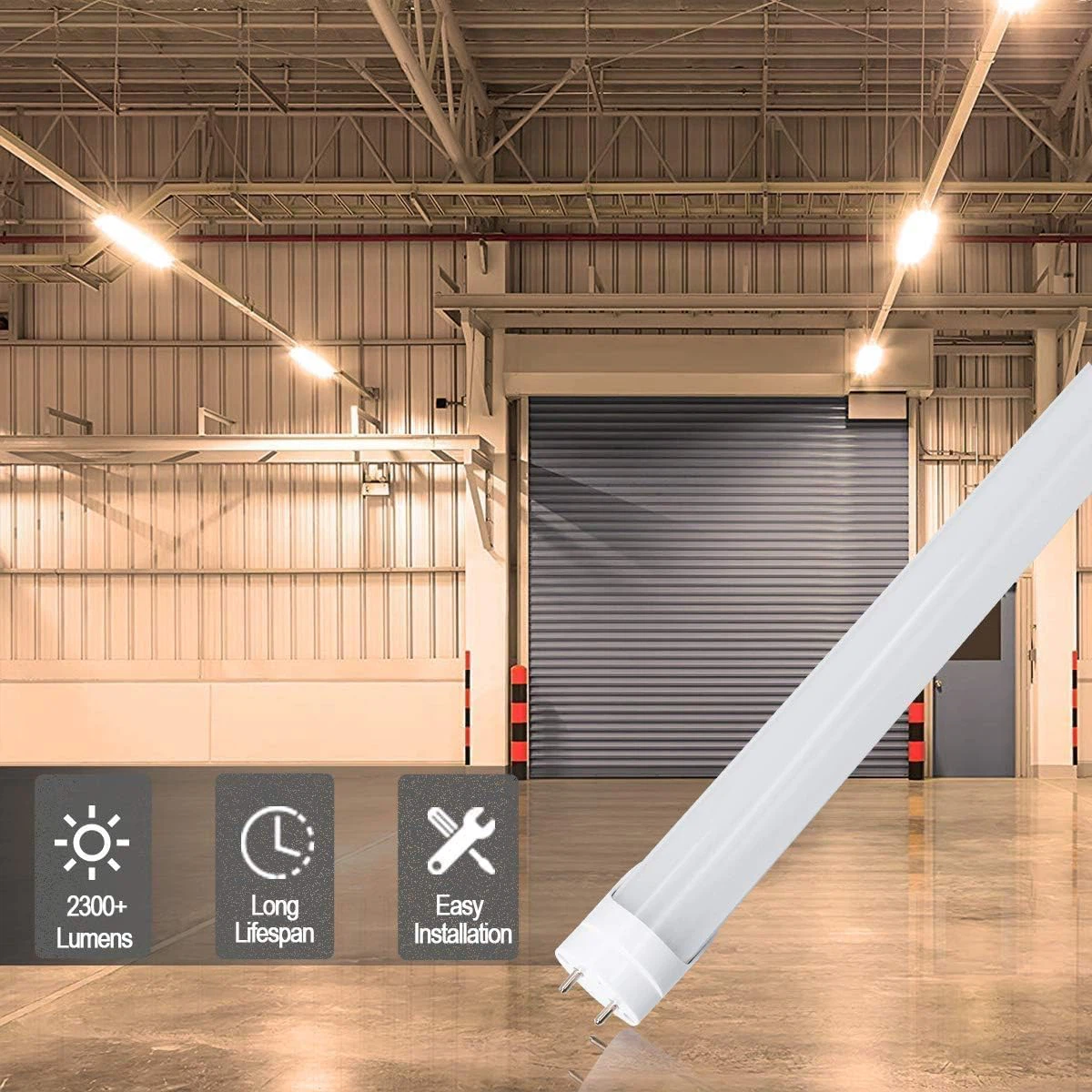
The lighting environment in high-temperature and high-humidity industrial scenarios is harsh: it is permanently high-temperature, ranging from 35℃ to 45℃, and the temperature in enclosed spaces such as iron sheet workshops, drying rooms, and underground factories can even reach above 55℃; the humidity is as high as 80% to 95%, and ultraviolet radiation is strong in some scenarios; the power grid in some industrial plants is unstable. In such an environment, ordinary LED T8 tubes often fail within 3 to 6 months, bringing huge maintenance costs and operational troubles to enterprises. So, what makes industrial-grade high-temperature LED T8 tubes stand out? How to select products truly suitable for high-temperature and high-humidity industrial scenarios? This article will answer all your questions through professional technical analysis and accurate data support.
1. Why Can Industrial-Grade High-Temperature LED T8 Tubes Adapt to High-Temperature and High-Humidity Industrial Scenarios?
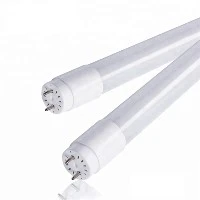
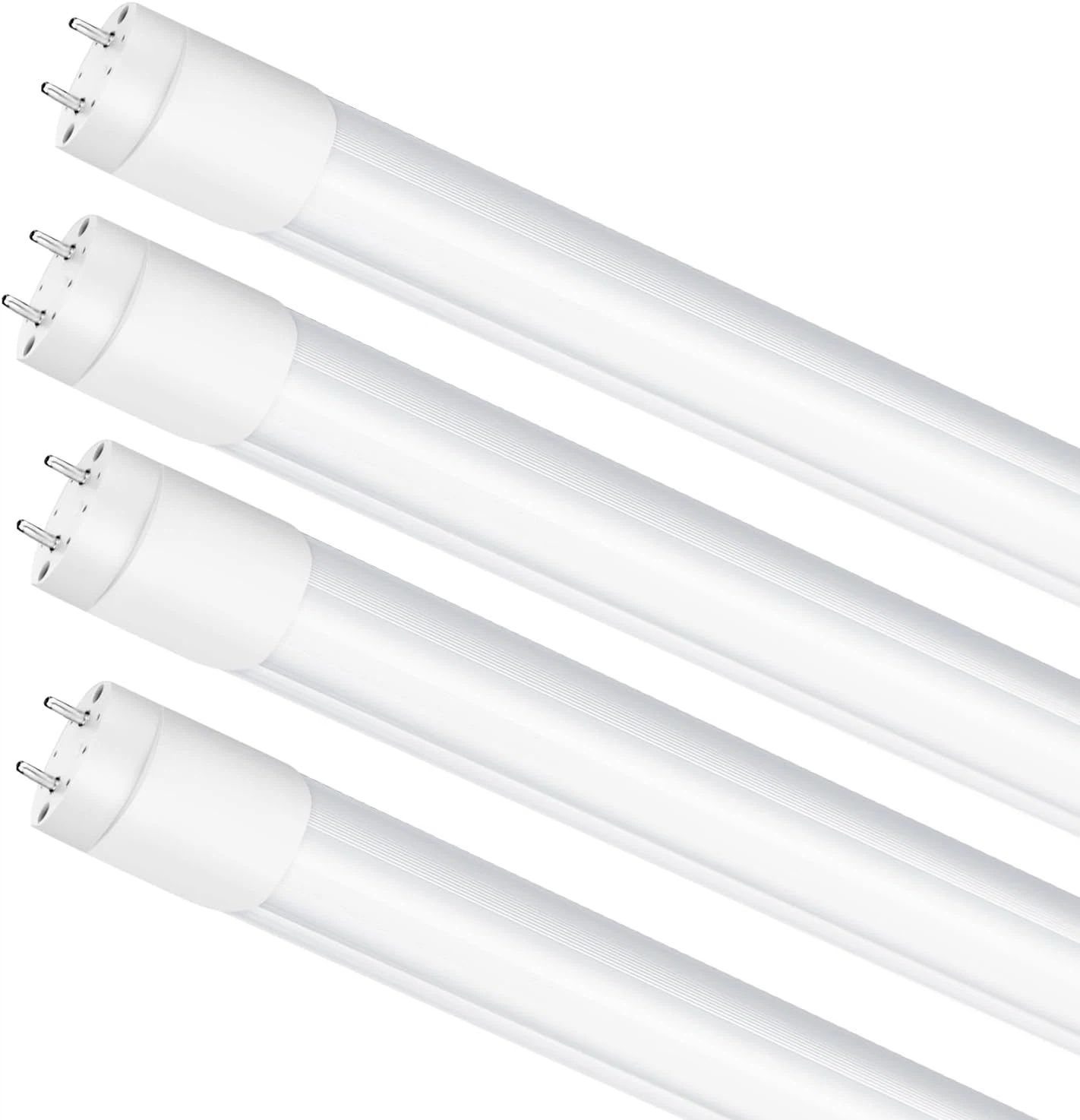
Industrial-grade high-temperature LED T8 tubes are not simple upgraded versions of ordinary LED T8 tubes, but are independently developed for extreme high-temperature and high-humidity industrial environments, with core optimizations in material selection, structural design, and electronic components. The following key technical features ensure their stable operation under harsh conditions:
1.1 High-Temperature Resistant Core Components
The most critical difference from ordinary LED T8 tubes lies in the high-temperature resistance of core components, which directly determines their service life in high-temperature and high-humidity industrial scenarios. The specific parameter comparison is shown in the table below:
|
Core Components |
Industrial-Grade High-Temperature LED T8 (High-Temperature and High-Humidity Adapted Model) |
Ordinary LED T8 |
Advantages in High-Temperature and High-Humidity Scenarios |
|
LED Chip |
High-Temperature Ceramic Substrate Chip, Operating Temperature: -40℃~120℃ |
Resin Substrate Chip, Operating Temperature: 0℃~85℃ |
No desoldering or burnout in high-temperature (above 55℃) environments |
|
Driver Capacitor |
105℃ High-Temperature Electrolytic Capacitor, Service Life: 50,000 Hours |
85℃ Ordinary Capacitor, Service Life: 10,000~15,000 Hours |
Stable operation in high-temperature and high-humidity environments, no bulging or burnout |
|
Heat Dissipation Material |
6063 Aviation Aluminum Profile + Fin Structure, Thermal Conductivity: ≥1.8W/(m·K) |
Thin Aluminum/Plastic Shell, Thermal Conductivity: ≤1.0W/(m·K) |
Rapid heat dissipation, tube surface temperature ≤60℃ in 45℃ environment |
1.2 Moisture-Resistant, Corrosion-Resistant, and UV-Resistant Design
High humidity in high-temperature and high-humidity industrial scenarios, as well as salt spray/corrosive gases in some chemical and coastal industrial plants, are important factors leading to tube failure. Industrial-grade high-temperature LED T8 tubes have made targeted improvements in sealing and material selection:
Protection Level: IP65~IP67, fully dustproof, waterproof, and corrosion-resistant. IP65 can resist water vapor spray and daily humidity during production, while IP67 can withstand temporary immersion and strong corrosion in chemical and coastal industrial plants;
Sealing Material: FKM fluorine rubber seal ring + high-temperature resistant silicone sealant, which does not age or crack at 80℃, effectively preventing water vapor and corrosive gases from entering the tube;
Lampshade Material: High borosilicate glass or UV-resistant PC material, which can resist ultraviolet radiation in some outdoor and workshop environments, no yellowing for 3 years, and light transmittance remains above 90%.
1.3 Wide Voltage Adaptability to Cope with Unstable Power Grids in Industrial Plants
Due to the operation of large-scale equipment in some industrial plants, the power grid is unstable, with a voltage fluctuation range of 160V~240V. Industrial-grade high-temperature LED T8 tubes are equipped with AC85~265V wide-voltage drivers, which can adapt to various industrial power grids of 110V, 220V, and 230V. Compared with ordinary LED T8 tubes (AC170~240V narrow voltage), they avoid frequent flickering and driver burnout caused by voltage fluctuations, ensuring 24-hour stable lighting and meeting the needs of continuous industrial production.
2. Data Speaks: Cost Comparison Between Industrial-Grade High-Temperature LED T8 and Ordinary Lighting Products
Many customers are worried that the initial purchase cost of industrial-grade high-temperature LED T8 tubes is higher than that of ordinary products, but from the perspective of long-term use, their advantages of energy saving and low maintenance can bring significant cost savings. The following is a cost comparison based on high-temperature and high-humidity industrial scenarios (100 1.2m tubes, used 12 hours a day, average industrial electricity price: 0.8 yuan/kWh):
|
Product Type |
Single Tube Power |
Annual Total Power Consumption (kWh) |
Annual Total Electricity Fee (Yuan) |
Service Life in High-Temperature and High-Humidity Scenarios |
Annual Replacement Cost (Yuan) |
5-Year Total Cost (Yuan) |
|
Industrial-Grade High-Temperature LED T8 |
16W |
7008 |
5606.4 |
5~8 Years |
0 |
28032 |
|
Ordinary LED T8 |
18W |
7884 |
6307.2 |
1~2 Years |
4000 (200 yuan/tube, 2 replacements in 5 years) |
51536 |
|
Traditional 40W Fluorescent Lamp |
40W |
17520 |
14016 |
0.5~1 Year |
16000 (80 yuan/tube, 4 replacements in 5 years) |
150080 |
It can be seen from the data that the 5-year total cost of industrial-grade high-temperature LED T8 tubes is only 54% of that of ordinary LED T8 tubes and 19% of that of traditional fluorescent lamps. The initial price difference can be fully recovered within 3 to 6 months, and long-term use can save a lot of costs for enterprises.
3. Key Selection Points for High-Temperature and High-Humidity Industrial Scenarios: 4 Must-Check Items
To avoid purchasing counterfeit and shoddy products and ensure that the selected industrial-grade high-temperature LED T8 tubes are truly suitable for high-temperature and high-humidity industrial scenarios, the following 4 key points must be checked during procurement:
3.1 Rated Ambient Temperature (Ta): Must Be ≥50℃
The rated ambient temperature (Ta) is the core indicator of whether the tube can adapt to high-temperature and high-humidity industrial scenarios. Ordinary LED T8 tubes usually have Ta≤40℃, which will experience serious light decay and burnout in high-temperature workshops, drying rooms and other scenarios in summer. Industrial-grade products must clearly mark Ta=50℃, 65℃ or 80℃. For most high-temperature industrial workshops and warehouses, Ta=65℃ is the most cost-effective choice; for special high-temperature scenarios such as drying rooms and heat treatment workshops, Ta=80℃ is recommended.
3.2 Protection Level: Minimum IP65, IP67 for Corrosive/High-Humidity Scenarios
IP65 can be selected for indoor dry industrial scenarios (such as ordinary warehouses); IP67 must be selected for outdoor, chemical plant areas, coastal plant areas or high-humidity scenarios (such as seafood processing plants, printing and dyeing workshops) to ensure that the tube is not affected by water vapor and corrosive gases.
3.3 Driver Specification: AC85~265V Wide Voltage
Narrow-voltage drivers (AC170~240V) must be avoided. Wide-voltage drivers can adapt to unstable power grids in industrial plants, and can operate stably even when the voltage fluctuates between 160V and 240V, ensuring continuous lighting for industrial production.
3.4 Certification: International + Industry Dual Certification
It must have international certifications such as CE and RoHS to ensure product quality and safety; at the same time, it must have relevant industry certifications for industrial lighting to avoid non-compliance with industrial production standards and ensure after-sales service and product adaptability.
4. Common Misunderstandings in Selection: Avoid These 3 Pitfalls
- Misunderstanding 1: "High brightness means good quality" - In high-temperature and high-humidity industrial scenarios, heat dissipation is more important than brightness. Tubes with high brightness but poor heat dissipation (such as plastic shell products) will experience rapid light decay and burnout in a short period of time;
- Misunderstanding 2: "Marked as high-temperature resistant means qualified products" - Some ordinary LED T8 tubes falsely mark "high-temperature resistant" but do not indicate the Ta parameter. Only products with Ta≥50℃ are truly suitable for use in high-temperature and high-humidity industrial scenarios;
- Misunderstanding 3: "Ignoring the service life of the driver" - The driver is the "heart" of the LED tube. Ordinary drivers have a short service life in high-temperature and high-humidity environments, while industrial-grade high-temperature drivers (105℃ capacitors) can ensure stable operation for more than 5 years, adapting to the needs of long-term industrial production.
5. Summary
In harsh high-temperature and high-humidity industrial scenarios with high temperature, high humidity, strong ultraviolet radiation and unstable power grids, industrial-grade high-temperature LED T8 tubes have become the first choice for industrial lighting with their core advantages of high temperature resistance, moisture resistance, corrosion resistance, wide voltage adaptability and long service life. They not only solve the pain points of frequent failure and high maintenance costs of ordinary LED tubes, but also bring significant energy-saving benefits to enterprises. When selecting products, you only need to focus on the four key points of Ta≥50℃, IP65+, wide voltage and dual certification to select the most suitable product.