Why Do Real LED UV Light Bulbs Not Exist?
One of the biggest investments in any building is adequate lighting. Excellent LED lighting enhances the space's appearance, appeal, and atmosphere. Now, with COVID, you also need to breathe clean, safe air. UV-c lights contribute to the worldwide reopening because they are made to eradicate all pathogens. Regretfully, you need to be cautious about scammers. One of the scams is UV light bulbs.
The main purpose of UV-C lamps is to emit radiation that destroys bacteria and germs, protecting surfaces. Because these radiations are invisible to the human sight, most purchasers rely on color to determine whether or not the bulb in the photo is LED UV. Unfortunately, the color cannot be trusted because it is easily imitated.

What about the lightbulbs?
You must be familiar with LED UV bulbs if you are interested in UV lighting. It is unfortunate that these UV-C products are contentious, particularly in this COVID-19 period when everyone is doing everything they can to keep safe. Numerous different UV-C compounds have been shown to be successful in disinfecting surfaces, water, and air.
The unfortunate reality is that, despite claims to the contrary, experts assert that it is impossible to manufacture genuine LED UV bulbs, making all of the ones already on the market counterfeit. You will be duped if you select these bulbs for purposes other than illuminating your house. Most consumers are being enticed to purchase these bulbs because of how frequently they are advertised throughout the industry. The majority purchase them in the hopes of purportedly disinfecting the interior air and surfaces of their homes.
Most people started to question the legitimacy of these bulbs after buying them as a way to protect themselves from contaminated surfaces and air. Numerous evaluations indicate that these bulbs are counterfeit, and there are no actual ones. After determining and verifying the products' inauthenticity, several customers decided to return them to the merchants. On the other hand, everyone else might post unfavorable comments and reviews to discourage other consumers from purchasing the bulbs.
Advice on How to Verify Whether LED UV Bulbs on the Market Are Real
Let's face it, the majority of LED UV bulb manufacturers make false claims about their products, despite their claims to the contrary. You can demonstrate the falsity of these bulbs both at home and in the marketplace, in addition to the experts who back up this claim. The following highlights the two main methods you can employ:
• Requesting a datasheet: Since these bulbs are designed to stop the spread of COVID-19, you shouldn't be duped like the majority of people were at first. It should all be stated in the datasheet. The datasheet, which displays the bulb's measured wavelength (often 254 nm), should be given by the dealer during window shopping. Be aware that none of these have a UL performance listing. Request a data safety sheet.
This datasheet is always provided by manufacturers; anything outside of this range is fraudulent and will not supply the highest caliber of services. You should proceed to the next source even if the wavelength is as needed (254 nm) but you have some reservations about the reliability of the data. Your intuition is always right.
• Purchasing and utilizing a UVC light meter: Given the current situation (with regard to the validity of LED UVC light bulbs), a UVC light meter ought to be your initial purchase. It is the best method for figuring out whether the lightbulb is genuine or not. It detects the bulb's intensity (the wavelength should be 254 nm), indicating that the bulb is emitting UVC light. Even though they are a little pricey, anyone purchasing UVC LED light bulbs should make the investment because they are essential for cleaning and warding off harmful microorganisms.
The most important point is why there aren't any genuine LED UV-C bulbs on the market, given the numerous reviews of people saying they purchased fake ones. The market is filled of fake LED UV bulbs since it is impossible to create real ones for a number of reasons.
Search for Extremely Big Lightbulbs or Fixtures
Although there are good UV-C lights available, there aren't any true LED UV-C bulbs. You should not fall for scams by taking what you see in the market and in the media at face value. A trustworthy company with some credentials should be the source of your UV-C light fixtures.

Causes of the Overabundance of Fake LED UVC Bulbs on the Market
It is indisputable that all LED UV bulbs are counterfeit based on the advice provided above on how to verify their authenticity and the comments provided by customers. But why this depressing reality when at least one business ought to be producing genuine goods? Real LED UV bulbs cannot be produced for a number of reasons, which are detailed below.
• In order for UV-C lamps to operate properly, they need enormous heat loads that are not achievable with a lightbulb. One of the main obstacles manufacturers encounter when attempting to create genuine LED UV-C bulbs is that bulbs are unable to withstand such high temperatures. The heat needs of these UV-C items make it impossible to manufacture a bulb that fits the specifications of the UV product. Most producers decide to imitate LED UV-C bulbs in order to satisfy client demands because they have no other choice. Despite everyone's belief to the contrary, the product's bulbs are not original LED UV-C bulbs. Unfortunately, only a small number of cautious people learn the reality.
The producers encounter two main obstacles when attempting to make actual LED UV bulbs that match the heat requirements: 1. The bulbs quickly overheat as a result of the high heat levels. The customers cannot be adequately served by a rapidly overheating lightbulb. Additionally, it implies that consumers should prepare for increased lighting costs.
2. Manufacturers also wind up with an extremely large bulb when they attempt to create a genuine LED UV light. Higher wattages would produce incredibly lengthy lights because a real 50W LED UV bulb should be at least 15 inches long.
It's simple to fake UV-C color!
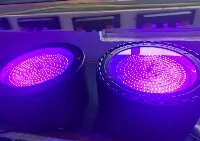
Real LED UV bulbs are known for their dazzling blue glow, which is somewhat reminiscent of dark purple tones. Remember that blacklight emits ultraviolet light. It's simple to simulate the performance by turning up the blue color of a maize light bulb.
You can get a regular bulb and tint it blue if you feel the need to have an LED UV bulb. This is a win-win situation since you save a lot of money and end up with a bulb that looks just like the LED UV bulbs that are currently on the market, especially in terms of the color of the light emitted. For anyone in need of a bulb with characteristics similar to those of UV-C lamps, this method is also practical.
It's intriguing that despite being sold at absurdly high prices, all of these bulbs are phony. Purchase the reasonably priced bulbs available on the market (blue, as mentioned above) and then make further investments in efficient germicidal methods to avoid squandering so much money. Because of these phony LED UV lamps that are widely available, there is no need to take the chance of living in a house that is rife with bacteria and germs. The best options are blue-colored regular bulbs and efficient germicidal methods. Additionally, not owning an LED UV lamp is not illegal, particularly when alternative alternatives are used. Don't end your own life.
What is the best way to deal with fake LED UV bulbs, then?
What will happen now that there aren't any genuine LED UV lamps available? Should you look for a way out or keep falling for scams?
Select a UV light fixture from a reputable company!
Larger LED light fixtures that can control the heat load can incorporate UV-C lamps. Additionally, they can add features like motion sensors to turn off the light or the ability to direct it skyward. Keep in mind that you do not want to be exposed to or to UV lights.