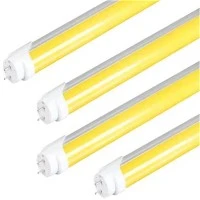
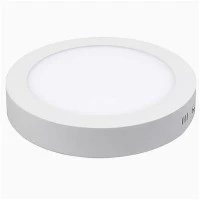
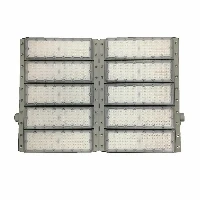
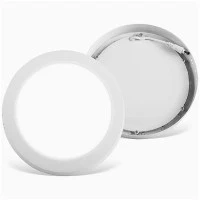
The lighting business has seen a transformation because to LED (Light Emitting Diode) bulbs, which promise extended lifespans and energy efficiency. Under the right circumstances, LED bulbs may survive up to 50,000 hours or longer, in contrast to incandescent and compact fluorescent (CFL) lights. But even though they should last a long time, many customers complain about home fixtures breaking down too soon. A greater examination of LED bulbs' architecture, technology, and environmental conditions is necessary to determine why they survive longer and what causes them to die so quickly.
The Reasons LED Bulbs Last Longer
Compared to conventional incandescent or CFL lighting, LED technology is essentially different. The following are the main causes of their long lifespan:
1. Minimal heat output and energy efficiency
In order to produce light, incandescent bulbs heat a filament, which produces a lot of heat. Wear and tear is accelerated by this extra heat. On the other hand, LEDs produce very little heat and convert the majority of their energy into light, which lowers the possibility of component deterioration.
2. Construction using Solid States
LEDs are solid-state electronics as opposed to CFLs, which require delicate glass tubes filled with gas, or incandescent lights, which rely on brittle filaments. They are more resilient to physical harm since they don't have any moving or breakable pieces.
3. Progressive Deterioration Rather Than Abrupt Failure
In contrast to incandescent bulbs, which often burn out abruptly when their filament breaks, LEDs gradually lose brightness over time (a phenomenon called lumen depreciation). Extended usage is made possible by this gradual deterioration.
4. Sophisticated Heat Control
The tiny quantity of heat that LED lights generate is dispersed via heat sinks built into their design. Effective heat management prolongs the life of LEDs by preventing overheating.
Typical Reasons for Early LED Failure in Home Appliances
Even while LED bulbs are designed to last a long period, they can occasionally fail considerably sooner than anticipated. Premature failure can be caused by a number of factors:
1. Ineffective Heat Dissipation
The biggest threat to LED lifetime is heat. LEDs produce less heat than incandescent lights, yet too much heat accumulation might hasten the deterioration of internal components. Typical causes of overheating include:
Enclosed Fixtures: The lifespan of many LED bulbs is shortened by the fact that they are not made for completely enclosed fixtures, where heat is retained.
Poor Ventilation: Heat cannot disperse efficiently if the fixture does not provide sufficient airflow.
Erroneous Bulb Selection: While some LED bulbs are made for enclosed settings, others are rated solely for outdoor usage. Premature failure may result from using the incorrect type.
2. Power Outages and Electrical Problems
LED circuitry can be harmed by power surges and voltage variations, which can cause early failure. Typical electrical problems include:
Regular On-Off Cycling: LEDs' electrical parts, such as drivers and capacitors, can deteriorate more quickly with repeated on-off cycling, particularly in high-traffic areas like restrooms and kitchens.
Bad Wiring: Inconsistent voltage delivery from old or badly installed wiring in older homes can have a detrimental impact on LED performance.
Voltage Spikes: LED drivers may sustain damage from abrupt spikes in voltage brought on by lightning strikes or variations in the power system.
3. LEDs of Poor Quality
Not every LED bulb is made equally. Some manufacturers minimize costs by using inferior materials, which leads to:
Poor LED Chips: Poor diodes create uneven light output and deteriorate more quickly.
Weak Drivers: The components that emit light are powered by the LED driver. Drivers that are cheap or poorly constructed may fail too soon, flickering or failing entirely.
Inferior Heat Sinks: Dissipating heat requires a well-designed heat sink. Cheap LED bulbs frequently have poor heat management, which causes premature deterioration.
4. Environmental Elements
The state of the home may also contribute to LED failure. The following are a few outside variables that shorten lifespan:
Excessive Moisture or Humidity: LEDs are exposed to moisture in outdoor fixtures, kitchens, and bathrooms, which can erode electrical connections.
Accumulation of Dust and Debris: Dust accumulation over time can act as an insulator, obstructing adequate cooling.
Temperature Extremes: A particular temperature range is ideal for LED performance. Environments that are too hot or cold might affect performance.
5. Improper Use and Installation
Poor installation can result in issues like:
Loose Bulbs: Intermittent flickering or failure may result from a loose connection between the bulb and socket.
Not all LED bulbs work with dimmer switches, so it's important to use dimmable LEDs with non-dimmable switches. When a non-dimmable LED is used with a dimmer, it may flicker, have a shorter lifetime, or fail.
Combining multiple LED varieties: Instability may result from combining multiple varieties of LEDs in the same circuit since they have varying electrical needs.
How to Increase LED Bulbs' Lifespan
Take into account these suggested measures to extend the life of LED bulbs:
1. Select Premium LEDs
Choose trustworthy companies that offer long-lasting drivers, superior LED chips, and appropriate heat management. Seek out goods with UL certification or Energy Star ratings.
2. Ensure Proper Heat Dissipation
Use LED lights certified for enclosed fixtures if necessary.
Avoid overloading fixtures with many high-wattage LEDs.
To avoid dust accumulation that might trap heat, keep fixtures clean.
3. Guard Against Electrical Problems
To stop voltage spikes from harming LED components, use surge protectors.
Upgrade to LED-compatible contemporary dimmer switches.
To avoid fluctuations, make sure your home's wiring complies with regulations.
4. Be Mindful of Environmental Conditions
For damp environments like restrooms or outdoor spaces, choose LEDs that can withstand moisture.
Place light bulbs far from sources of direct heat, such heaters or ovens.
If the LED is not approved for outdoor usage, stay away of extremely cold temperatures.
5. Make Proper Use of LEDs
Turn lights off when not in use, but try not to turn them on and off too frequently in a short amount of time.
Verify that the socket and fixture can accommodate the power and voltage requirements of the LED bulb.
Observe the installation instructions provided by the manufacturer.

https://www.benweilight.com/lighting-tube-bulb/rgb-led-blub/rgb-led-blub-remote-control.html