Will New Technologies such as Hydrogen Energy and LED Lights Become New Directions in the Industry?
In recent years, the global pursuit of sustainable development has led to a continuous exploration of new energy sources and energy - efficient technologies. Hydrogen energy and LED lights, as two representatives of new technologies, have shown great potential in their respective fields. This article will discuss whether they can become new directions in the industry.
The Prospect of Hydrogen Energy as a New Industry Direction
Hydrogen energy is considered a promising clean energy source for the future. It has zero - carbon emissions when used, which can effectively alleviate the environmental pollution and climate change problems caused by traditional fossil fuels. For example, in the transportation industry, hydrogen - powered vehicles are emerging. Toyota has been actively promoting the development of hydrogen - fuel - cell vehicles. These vehicles use hydrogen fuel cells to convert chemical energy into electrical energy, with water vapor as the only by - product. Compared with traditional internal combustion engine vehicles, they are more environmentally friendly.
In the industrial field, hydrogen energy also has broad application prospects. Siemens Energy has developed a hydrogen - based steel - making solution, which can reduce carbon emissions by 80%. This indicates that hydrogen energy has the potential to revolutionize the traditional high - carbon - emitting industries. Moreover, many countries are accelerating the construction of hydrogen - energy infrastructure. For instance, in some European countries, hydrogen refueling stations are being gradually built, which provides necessary conditions for the large - scale application of hydrogen energy.
However, hydrogen energy also faces some challenges. The high cost of hydrogen production, storage, and transportation restricts its large - scale commercial promotion. Currently, most hydrogen is produced from fossil fuels through steam methane reforming, which is not completely carbon - free. Although "green hydrogen" production through electrolysis of water using renewable energy is more environmentally friendly, the high cost of electrolysis equipment and the relatively low efficiency of energy conversion still need to be improved.
LED Lights: Lighting up a New Path in the Lighting Industry
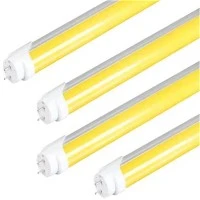
LED lights have made remarkable progress in the lighting industry. They are highly energy - efficient. According to a report by the US Department of Energy, LEDs in the US lighting market are expected to grow to a 36% share in 2020 and 74% in 2030. By 2030, the conversion to LEDs will contribute $30 billion in annual energy savings. LEDs consume much less electricity than traditional incandescent and fluorescent bulbs while providing the same or even better lighting effects.
In addition, LEDs have a long lifespan, which reduces the frequency of replacement and maintenance costs. They also offer design flexibility. Miniature LEDs, such as chip - on - board (COB) types, enable the design of elegant and low - profile fixtures that can be easily integrated into various architectural styles. Smart LED lighting, which is integrated with Internet of Things (IoT) technology, allows for remote control, dimming, and color - temperature adjustments, enhancing user experience and energy efficiency.
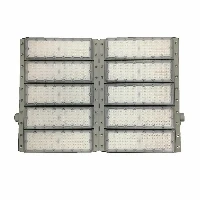
For example, in the field of indoor lighting, many offices and homes are replacing traditional lighting with LED smart lighting systems. In commercial lighting, LED strips and panels are widely used in retail showcases to create attractive visual effects. However, the LED industry also needs to address some issues, such as further reducing costs to make high - quality LED products more affordable for a wider range of consumers.
Conclusion
In conclusion, both hydrogen energy and LED lights have the potential to become new directions in their respective industries. Hydrogen energy, with its clean - energy characteristics, holds great promise for decarbonizing the energy and industrial sectors. LED lights, with their energy - saving and versatile features, are already leading the transformation of the lighting industry. Although both face certain challenges, with continuous technological innovation and the support of policies and the market, they are likely to play increasingly important roles in the future, bringing more sustainable and efficient solutions to various industries.