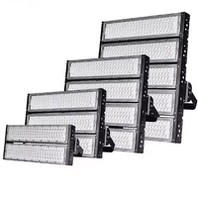
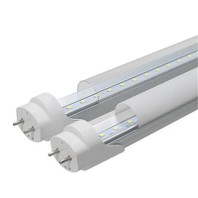
100W 200W Herb Growing Light

In 2025, as home gardeners, urban farmers, and commercial herb producers seek reliable lighting to grow fresh basil, mint, rosemary, and parsley year-round-regardless of weather or natural light limitations-the 100W 200W Herb Growing Light has become a go-to solution. Unlike generic LED grow lights (which often lack key wavelengths for herb growth) or high-wattage HPS lights (which waste energy and generate excess heat), the 100W and 200W models are tailored to herbs' unique needs: they emit a full spectrum (400–700nm, matching natural sunlight) that fuels photosynthesis, with extra emphasis on blue light (450nm) for strong root and leaf development and red light (660nm) for flowering and flavor enhancement. The 100W variant is ideal for small-scale setups (e.g., windowsill planters, 2x2ft grow tents), covering 1–2 square meters and supporting 4–6 herb pots; the 200W model caters to larger spaces (e.g., 3x3ft grow tents, commercial micro-gardens), covering 3–4 square meters and nurturing 10–15 herb plants. This versatility, combined with energy efficiency and long lifespan, makes them a top choice for global herb growers-from home cooks in apartments to commercial farms supplying restaurants and grocery stores.
What sets the 100W 200W Herb Growing Light apart is its ability to replicate the sunlight herbs need to thrive, even in low-light environments. Herbs like basil and cilantro require 12–14 hours of light daily to avoid leggy growth (thin stems, sparse leaves) and maintain intense flavor; in winter months or urban apartments with north-facing windows, natural light often falls short. The full-spectrum output of these grow lights solves this: blue light stimulates chlorophyll production, ensuring lush, green foliage (critical for leafy herbs like mint), while red light triggers the production of essential oils (which give herbs like rosemary and thyme their signature taste). A 2024 study by the American Society for Horticultural Science (ASHS) found that basil grown under 100W full-spectrum LED lights had 30% more leaves and 25% higher essential oil content than basil grown under partial-spectrum lights. For commercial growers, this translates to better-quality herbs that command higher prices, while home gardeners get fresher, more flavorful herbs for cooking-no trips to the grocery store required.

Energy efficiency is a key advantage for both home and commercial users, especially since grow lights run 12–14 hours daily. The 100W Herb Growing Light uses 60% less energy than a 250W HPS grow light (a common alternative) while delivering the same light intensity for herbs. For a home gardener running one 100W light 12 hours a day, this costs just \(6.57 per month (based on \)0.15/kWh: 100W × 12h × 30 days × \(0.15/kWh = \)6.57)-far less than the \(16.43 monthly cost of a 250W HPS light. Commercial growers see even bigger savings: a micro-garden with 10 200W lights (covering 30 square meters of herbs) spends \)108 per month on energy, vs. $270 for 10 500W HPS lights. Additionally, these LED grow lights generate minimal heat-unlike HPS lights, which can raise temperatures in grow tents by 5–10°C. This eliminates the need for expensive cooling systems (e.g., fans, air conditioners) and prevents heat stress in herbs (which can cause wilting or reduced growth), especially sensitive varieties like chives and dill.
Durability and low maintenance make the 100W 200W Herb Growing Light a long-term investment. Most models have a lifespan of 50,000+ hours-equivalent to 11 years of use if run 12 hours daily-far longer than HPS lights (10,000–15,000 hours) or fluorescent grow lights (8,000–10,000 hours). This means home gardeners won't need to replace their light for over a decade, and commercial growers can reduce replacement costs by 70% over 5 years. The lights also have a rugged design: many feature an aluminum heat sink to dissipate heat (extending LED life) and a waterproof IP65 rating, making them safe to use in humid grow tents (where moisture can damage generic lights). Unlike fluorescent tubes (which break easily and contain mercury), LED grow lights are shatterproof and RoHS-compliant, so they're safe for homes with children or pets and easy to dispose of responsibly.
The 100W 200W Herb Growing Light's versatility shines across different growing scenarios, from small home setups to commercial operations. For home gardeners, the 100W model is perfect for windowsill gardens or compact grow tents: it can be mounted on a tripod, clipped to a shelf, or hung from the ceiling, fitting in even tiny apartments. A home cook in Canada, for example, uses a 100W grow light to grow basil, mint, and parsley on their kitchen counter-harvesting fresh herbs year-round for pasta dishes and salads. The 200W model is ideal for urban farmers or small commercial growers: it can cover a 3x3ft grow tent filled with herb pots or a row of herbs in a micro-greenhouse. A restaurant in California uses 5 200W grow lights to grow its own basil and thyme, cutting food costs by 40% and ensuring herbs are harvested minutes before use (maximizing freshness).
For commercial herb producers, the 100W 200W Herb Growing Light supports scalable growth. Many models feature daisy-chain functionality, allowing growers to connect multiple lights to a single power source-ideal for large grow rooms with rows of herbs. The adjustable light intensity (0–100%) also lets producers tailor lighting to different herb growth stages: seedling stage (50% intensity to prevent burning), vegetative stage (100% intensity for leaf growth), and flowering stage (80% intensity for essential oil production). This flexibility ensures consistent, high-quality yields across batches, even for finicky herbs like oregano or tarragon. Additionally, the lights are compatible with timers, so growers can set automatic 12–14 hour light cycles-reducing labor costs and ensuring herbs get consistent light, even when staff aren't on-site.

For international trade buyers, the 100W 200W Herb Growing Light meets critical compliance standards to ensure smooth cross-border sales. It carries CE certification, mandatory for the European Economic Area (EEA), which confirms it meets safety and electromagnetic compatibility (EMC) rules-so it won't interfere with other electrical equipment in grow rooms (e.g., fans, humidity meters). FCC approval is required for sales in the U.S., guaranteeing no radio frequency interference. RoHS compliance restricts hazardous materials like lead and mercury, making it eligible for sale in markets with strict environmental laws, including the EU, China, and Japan. Many models also have UL or TUV certifications, validating their safety for use in residential and commercial settings. Additionally, the lights support global voltage (100V–277V AC), eliminating the need for buyers to stock different versions for regions with 110V (U.S., Canada) or 220V (EU, Asia) power grids-simplifying inventory management and reducing shipping costs.
When selecting between the 100W and 200W Herb Growing Light, buyers should consider their growing space and goals. The 100W model is best for:
Home gardeners with 1–2 square meters of growing space (e.g., 4–6 herb pots on a counter or windowsill).
Urban farmers starting small (e.g., a 2x2ft grow tent for personal use or small-scale sales at farmers' markets).
Growers focusing on small herbs (e.g., chives, micro-basil) that don't require as much light intensity.
The 200W model is ideal for:
Commercial micro-growers with 3–4 square meters of space (e.g., 10–15 herb pots or a small greenhouse section).
Restaurants or cafes growing their own herbs in 3x3ft grow tents.
Growers cultivating larger herbs (e.g., rosemary bushes, tall basil plants) that need more light coverage.
Buyers should also look for key features like full-spectrum output (400–700nm), adjustable intensity, and IP65 waterproof rating (for humid environments). Avoid low-quality models that lack red or blue light-these will result in weak, flavorless herbs. Additionally, check for a warranty (5–10 years is standard for high-quality models) to protect against defects.
In conclusion, the 100W 200W Herb Growing Light is a game-changer for herb growers worldwide, solving the challenge of year-round cultivation in low-light environments. Its full-spectrum output ensures healthy, flavorful herbs, while its energy efficiency and durability cut costs for home and commercial users alike. For international trade buyers, its global certifications and voltage compatibility make it easy to sell in diverse markets-from home gardeners in Europe to commercial farms in Asia. Whether growing herbs for personal use or profit, the 100W 200W Herb Growing Light delivers consistent, high-yield results-proving that fresh herbs don't have to be seasonal.
Our service:
1.Your inquiry related to our products or prices will be replied in 24 hours.
2.Well-trained and experienced staffs to answer all your enquires in fluent English.
3.OEM&ODM, we can help you to design and put into product.
4.Distributoership are offered for your unique design and some our current models.
5.Protection of your sales area, ideas of design and all your private information.
https://www.benweilight.com/lighting-tube-bulb/led-batten-light-ip65.html
Shenzhen Benwei Lighting Technology Co.,Ltd
Telephone: +86 0755 27186329
Mobile(+86)18673599565
Whatsapp :19113306783
Email:bwzm15@benweilighting.com
Skype: benweilight88
Web: www.benweilight.com