18W Grow Lights for Houseplants: A Compact Powerhouse for Thriving Indoor Green Spaces

In recent years, indoor gardening has evolved from a mere hobby to a beloved lifestyle choice for many. Whether you're a seasoned plant parent tending to a collection of rare foliage or a beginner nurturing a few herbs on your kitchen windowsill, one challenge remains constant: providing adequate light for your houseplants. Natural sunlight, while ideal, is often limited-by small windows, shaded apartments, seasonal changes, or urban living. This is where 18W grow lights step in. Compact yet powerful, these specialized lighting solutions are designed to cater to the unique needs of houseplants, delivering targeted illumination that supports growth, health, and vitality. This article explores the science behind 18W grow lights, their key features, benefits, ideal applications, and how to use them effectively to transform your indoor green spaces.
The Science Behind 18W Grow Lights: Why Wattage Matters for Houseplants
To understand the value of 18W grow lights, it's essential to first grasp the relationship between light, wattage, and plant growth. Wattage measures the amount of energy a light consumes, but for houseplants, the critical metric is not just energy use but light output-specifically, the amount of Photosynthetically Active Radiation (PAR) emitted. PAR refers to the range of light wavelengths (400–700 nanometers) that plants use for photosynthesis, the process by which they convert light energy into chemical energy to fuel growth.
18W grow lights strike a perfect balance between energy efficiency and effective PAR delivery for houseplants. Unlike higher-wattage grow lights (such as 50W or 100W models) that are better suited for large-scale gardens or high-light crops like tomatoes, 18W lights are tailored to the needs of small to medium-sized houseplants. They emit enough PAR to support healthy growth without wasting energy or generating excessive heat, making them ideal for indoor environments where space and power usage are often concerns.
Traditional incandescent or fluorescent grow lights of similar wattages fall short in comparison. An 18W incandescent bulb, for example, emits most of its energy as heat rather than PAR, providing minimal benefit to plants while increasing the risk of leaf burn. Fluorescent tubes, while more efficient than incandescents, often lack the full spectrum of light needed for all stages of plant growth and may require frequent replacement. 18W LED grow lights, the most common type on the market today, address these flaws by using semiconductor technology to emit targeted PAR wavelengths, ensuring maximum energy efficiency and plant benefit.

Key Features of 18W Grow Lights for Houseplants
18W grow lights are distinguished by a set of features that make them uniquely suited for indoor houseplant care. These features are engineered to meet the specific needs of houseplants, which often vary in their light requirements but generally thrive with consistent, moderate illumination.
1. Targeted Full-Spectrum Illumination
Most high-quality 18W grow lights offer a full-spectrum output, meaning they emit light across the entire 400–700nm PAR range, as well as small amounts of beneficial ultraviolet (UV) and far-red light. This spectrum mimics natural sunlight, ensuring that houseplants receive all the wavelengths they need for every stage of growth:
Blue light (400–500nm): Stimulates strong root development, healthy leaf growth, and compact, sturdy stems. This is particularly important for young seedlings and foliage plants like pothos or ferns, which rely on blue light to avoid "stretching" (leggy growth caused by insufficient light).
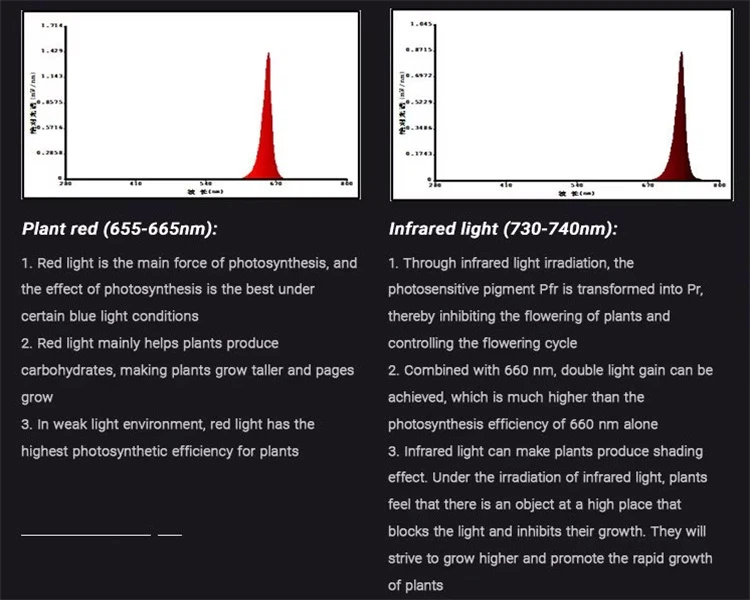
Red light (600–700nm): Triggers flowering and fruiting in plants. For houseplants that bloom, such as orchids, African violets, or peace lilies, red light is essential for producing vibrant blooms and maintaining flower health.
UV and far-red light: In small doses, UV light enhances plant resilience and nutrient production, while far-red light helps regulate plant growth cycles and improves light absorption.
Some 18W grow lights also offer adjustable spectrum settings, allowing users to switch between blue-heavy (for vegetative growth) and red-heavy (for flowering) modes. This flexibility makes them suitable for a wide range of houseplants, from leafy greens to flowering varieties.
2. Energy Efficiency

18W grow lights are highly energy-efficient, especially when compared to traditional lighting options. LED-based 18W grow lights consume up to 75% less energy than incandescent grow lights and 50% less than fluorescent tubes of similar light output. This translates to significant cost savings on electricity bills, especially for plant parents who run their grow lights for 8–12 hours a day (the recommended duration for most houseplants).
For example, an 18W LED grow light running for 10 hours a day uses just 0.18 kWh of electricity per day. At an average electricity rate of \(0.15 per kWh, this amounts to only \)0.027 per day or approximately $10 per year-far less than the cost of running a higher-wattage grow light or a traditional incandescent bulb.
3. Low Heat Output
Heat is a major concern for indoor gardeners, as excessive heat can damage delicate houseplants, dry out soil, and create uncomfortable conditions in small spaces. 18W grow lights, particularly LED models, produce very little heat, thanks to their efficient energy conversion. Unlike HID (High-Intensity Discharge) grow lights or incandescent bulbs, which can reach temperatures of 100°F or more, 18W LED grow lights typically stay cool to the touch, even after hours of use.
This low heat output allows for close placement of the light to plants-usually 6–12 inches above the foliage-without the risk of leaf burn. It also eliminates the need for additional cooling systems, such as fans or vents, simplifying the setup and reducing energy usage further.
4. Compact and Versatile Design
18W grow lights are designed with indoor spaces in mind, featuring compact, lightweight designs that fit seamlessly into any home environment. They are available in a variety of forms to suit different gardening setups:
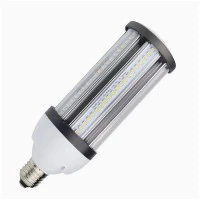
Bulb-style: These 18W grow lights fit into standard E26/E27 sockets, making them compatible with most household lamps, pendant lights, or clip-on fixtures. They are ideal for small plants on windowsills, shelves, or desks.
Strip lights: Flexible or rigid 18W LED strip lights can be mounted under cabinets, along shelves, or around plant stands, providing uniform light for multiple plants. They are a great choice for creating a "plant wall" or illuminating a row of potted herbs.
Clip-on lights: Equipped with adjustable clips and gooseneck arms, these 18W grow lights can be attached to shelves, desks, or plant pots, allowing for precise light positioning. They are perfect for targeting individual plants or small clusters.
Panel lights: Slim, flat 18W LED panels are suitable for larger plant collections, providing broad, even illumination for multiple plants at once. They can be hung from ceilings or placed on stands, making them versatile for grow tents or dedicated plant corners.
5. Long Lifespan
18W LED grow lights have an impressive lifespan, typically ranging from 25,000 to 50,000 hours of use. This is 5–10 times longer than incandescent grow lights and 2–3 times longer than fluorescent tubes. A well-maintained 18W LED grow light can last for 5–10 years, even with daily use, reducing the need for frequent replacements and minimizing waste.
The long lifespan of 18W LED grow lights is due to the durability of LED technology. Unlike incandescent bulbs, which rely on a fragile filament, or fluorescent tubes, which degrade over time due to phosphor coating wear, LEDs have no moving parts and are resistant to shock, vibration, and temperature changes. This makes them a reliable, long-term investment for indoor gardeners.
Benefits of Using 18W Grow Lights for Houseplants
The adoption of 18W grow lights offers a wide range of benefits for both houseplants and their owners, addressing common challenges in indoor gardening and enhancing the overall success of plant care.
1. Supports Healthy, Consistent Growth
The primary benefit of 18W grow lights is their ability to provide houseplants with the consistent, targeted light they need to thrive. Indoor plants often struggle with insufficient or inconsistent natural light, leading to issues such as leggy growth, yellowing leaves, slow growth, and failure to bloom. 18W grow lights eliminate these problems by delivering a steady supply of PAR-rich light, ensuring that plants can photosynthesize efficiently and grow at a healthy rate.
For example, a pothos plant placed in a north-facing window (which receives minimal direct sunlight) may develop long, thin stems and sparse leaves. By adding an 18W grow light positioned 8 inches above the plant and running for 10 hours a day, the pothos will produce fuller, greener foliage and grow more compactly. Similarly, a flowering houseplant like an orchid, which requires specific light wavelengths to bloom, will produce more vibrant flowers with the support of an 18W full-spectrum grow light.
2. Extends Growing Seasons and Enables Year-Round Care
Seasonal changes often disrupt indoor plant growth, with shorter days and less intense sunlight in winter causing plants to enter a dormant phase. 18W grow lights allow plant parents to extend the growing season and care for their plants year-round by supplementing natural light during dark months.
For example, herbs like basil and mint, which thrive in bright light, often struggle in winter and may die off without additional illumination. By using an 18W grow light, you can keep these herbs healthy and productive throughout the year, ensuring a fresh supply of ingredients for cooking. Similarly, tropical houseplants like calatheas or bird of paradise, which require warm, bright conditions, will maintain their lush foliage in winter with the help of a 18W grow light.
3. Saves Space and Reduces Clutter
Unlike larger, higher-wattage grow lights, which require dedicated space and may be bulky, 18W grow lights are compact and unobtrusive. Their small size allows them to fit into tight spaces, such as windowsills, shelves, or small plant corners, without creating clutter. This makes them ideal for apartment dwellers or anyone with limited indoor space.
Clip-on 18W grow lights, for instance, can be attached to a bookshelf next to a potted plant, providing targeted light without taking up additional surface space. Bulb-style 18W grow lights can be used in existing lamps, eliminating the need for extra fixtures. This space-saving design allows you to grow more plants in smaller areas, maximizing your indoor garden's potential.
4. Reduces Maintenance and Simplifies Plant Care
18W grow lights are low-maintenance, requiring minimal upkeep compared to traditional lighting options. Their long lifespan means you won't need to replace bulbs frequently, and their low heat output reduces the risk of plant damage, minimizing the need for constant monitoring.
Many 18W grow lights also come with convenient features that simplify plant care, such as built-in timers. These timers allow you to set specific light cycles (e.g., 12 hours on, 12 hours off for flowering plants) and automate the lighting process, ensuring consistent care even when you're away from home. Some models also offer dimmable brightness settings, allowing you to adjust light intensity based on your plants' needs-for example, reducing brightness for shade-loving plants like ferns.
5. Environmentally Friendly
18W grow lights are an environmentally friendly choice for indoor gardening. Their high energy efficiency reduces electricity consumption, which in turn lowers greenhouse gas emissions from power plants. LED-based 18W grow lights also contain no toxic materials, such as mercury (found in fluorescent tubes), making them safe to use and easy to dispose of at the end of their lifespan.
Additionally, the long lifespan of 18W grow lights reduces waste, as fewer bulbs end up in landfills. By choosing an 18W grow light, you're not only supporting your plants but also contributing to a more sustainable future.
Ideal Houseplants for 18W Grow Lights
18W grow lights are versatile and can support a wide range of houseplants, from low-light foliage plants to medium-light flowering varieties. Below are some common houseplants that benefit greatly from 18W grow lights:
1. Low-Light Foliage Plants
While low-light plants like pothos, snake plants, and ZZ plants can survive in dim conditions, they will thrive with the addition of an 18W grow light. These plants require 8–10 hours of light per day, and an 18W grow light provides just enough illumination to promote fuller growth and prevent leggy stems.
Pothos (Epipremnum aureum): A popular trailing plant that tolerates low light but produces more vibrant, variegated leaves with additional light. An 18W grow light positioned 10 inches above the plant will encourage lush foliage.
Snake Plant (Sansevieria trifasciata): A hardy plant that can survive in almost any light condition, but with an 18W grow light, it will grow faster and produce taller, healthier leaves.
ZZ Plant (Zamioculcas zamiifolia): A low-maintenance plant that thrives in low light, but an 18W grow light will prevent yellowing leaves and promote new growth.
2. Medium-Light Herbs and Vegetables
Herbs and small vegetables are popular indoor plants, but they require more light than foliage plants to stay healthy and productive. 18W grow lights are ideal for these plants, providing the 10–12 hours of light they need to grow.
Basil (Ocimum basilicum): A sun-loving herb that requires bright light to produce flavorful leaves. An 18W full-spectrum grow light positioned 6–8 inches above the plant will keep basil bushy and productive.
Mint (Mentha spicata): A fast-growing herb that benefits from consistent light. An 18W grow light will prevent mint from becoming leggy and ensure a steady supply of leaves.
Spinach (Spinacia oleracea): A cool-season vegetable that can be grown indoors with the help of an 18W grow light. It requires 12 hours of light per day to produce tender, edible leaves.
3. Flowering Houseplants
Flowering houseplants like orchids, African violets, and peace lilies require specific light wavelengths to bloom. 18W full-spectrum grow lights, especially those with adjustable red-light settings, provide the necessary illumination to trigger and support flowering.
Orchid (Phalaenopsis spp.): A popular flowering plant that requires bright, indirect light to bloom. An 18W grow light with a high red-light output, positioned 8–10 inches above the plant, will encourage orchid blooms to last longer and promote new flower spikes.
African Violet (Saintpaulia ionantha): A compact flowering plant that needs bright, filtered light. An 18W grow light placed 6 inches above the plant will produce abundant, colorful blooms.
Peace Lily (Spathiphyllum wallisii): A tropical plant that produces white spathes (flowers) in bright light. An 18W grow light will help peace lilies bloom more frequently and maintain their dark green foliage.
4. Succulents and Cacti
Succulents and cacti are known for their ability to tolerate bright, direct sunlight, but they can struggle indoors without sufficient light. 18W grow lights provide the intense, full-spectrum light these plants need to maintain their compact shape and vibrant colors.
Echeveria (Echeveria spp.): A popular succulent with rosette-shaped leaves. An 18W grow light positioned 6–8 inches above the plant will prevent etiolation (stretching) and keep leaves plump and colorful.
Jade Plant (Crassula ovata): A slow-growing succulent that requires bright light to thrive. An 18W grow light will promote thick, woody stems and prevent leaf drop.
Cactus (Opuntia spp. and others): Cacti need intense light to grow properly. An 18W grow light with a high PAR output will help cacti produce flowers and maintain their spiny, compact form.
How to Use 18W Grow Lights Effectively
To maximize the benefits of your 18W grow light and ensure your houseplants thrive, follow these key tips for effective use:
1. Set the Right Light Cycle
The ideal light cycle for houseplants depends on their type and growth stage. As a general rule:
Foliage plants and succulents: 8–10 hours of light per day. These plants need less light than flowering varieties and benefit from a longer dark period to rest.
Herbs and vegetables: 10–12 hours of light per day. These plants are more light-hungry and require longer illumination to produce leaves or small fruits.
Flowering plants: 12–14 hours of light per day during the vegetative stage, and 10–12 hours of light per day during the flowering stage. Shortening the light cycle slightly can trigger blooming in some plants.
Use a timer to automate the light cycle, ensuring consistency. Most 18W grow lights come with built-in timers, but you can also use a separate plug-in timer for bulb-style or strip lights.
2. Position the Light Correctly
The distance between the 18W grow light and your plants is crucial for optimal growth. Too close, and you risk leaf burn; too far, and the light will be too weak to support photosynthesis. As a general guideline:
Seedlings and delicate plants (e.g., African violets): 8–12 inches above
https://www.benweilight.com/lighting-tube-bulb/18w-grow-lights-for-houseplants.html
Together, we make it better.
Shenzhen Benwei Lighting Technology Co.,Ltd
Mobile/Whatsapp :(+86)18673599565
Email:bwzm15@benweilighting.com
Skype: benweilight88
Web: www.benweilight.comhttp://www.benweilight.com
Add:F Building,Yuanfen Industrial Zone,Longhua,Bao'an District,Shenzhen, China