The suitability of lux levels, light fixture, and energy efficiency must have been adequately correlated with the commercial place. That resulted in the 400-watt metal halide usage, which is still far and away from the most common large commercial light bulb. The 400W metal halide comes in different brands The metal halides have been manufactured to offer high-intensity discharge. For example, that bulb got 35,000 lumens at the start, 20,000 at year one, and about 13,000 at year 5.
The lumen per watt quality of the halides creates a competitive advantage with the LED. Furthermore, the halide bulb offers exceptional efficacy in the different places of installation. There is also a great color rendition with a high lux index. The relationship between lux and lumen quantity is key in the coverage of a vast area being illuminated.
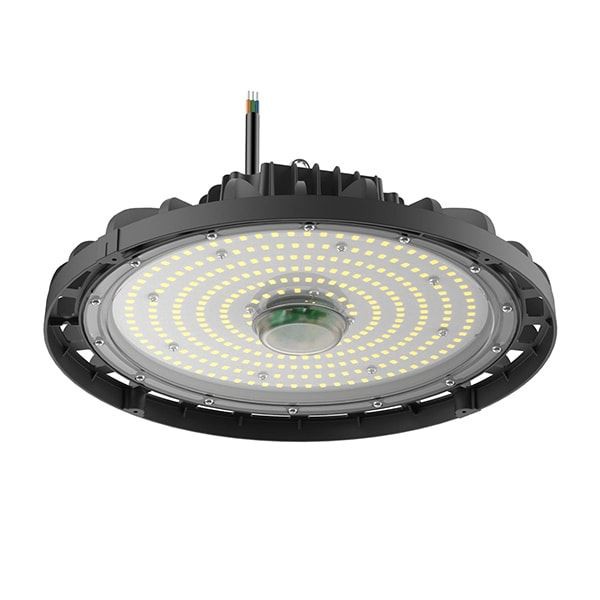
That bulb was the target of LED in the industrial space-replace that bulb. However, in early versions it was 200w-240w. As LED got more advanced, it became 150w. The features of the LED outcompeted those of the halide lights. Today the 150w is a top-selling in parking lot lights, warehouse high bay lights, and bulbs. The exceptional color rendering index in the LED lights has contributed to the popularity of the lights. The 150w light has the advantage of wide lighting coverage. One lumen can adequately cover a distance of one square meter. Therefore, 20,000 lumens are equivalent to 20,000 square meters which is a very wide coverage compared to the halide lights.
The use of these 150W lights in commercial places has been a source of an escalated work efficiency. Even in parking lots, several individuals can keep their vehicles and these will be assured of maximum protection. Furthermore, the lights have also promoted cost reduction and increased energy saving. It is no surprise that several commercial places, firms, and businesses are now opting for the 150W LED light. Regarding customer preference, the 150w LED lights have taken the trend and are so far the best on the market.