Yellow LED Bulbs

Yellow LED Bulbs, which are distinguished by their warm, amber-colored light and a typical color temperature range of 2200K to 3000K, have become a popular lighting solution for both residential and commercial spaces. These bulbs combine the warm and inviting atmosphere of traditional yellow light sources with the energy efficiency and durability of LED technology. Yellow LEDs emit a soft, inviting glow that evokes comfort, warmth, and familiarity. These qualities make them ideal for spaces where relaxation, connection, or ambiance takes precedence over intense task lighting. In contrast, cool-white LEDs (4000K+) prioritize brightness and clarity, and daylight LEDs (6000K) mimic natural sunlight. Yellow LEDs emit a glow that is warm and inviting. This one-of-a-kind combination of aesthetic appeal and practical performance has made yellow LED bulbs a staple in homes, cafes, restaurants, outdoor patios, and heritage sites. They have replaced the use of outdated yellow light sources such as incandescent bulbs, halogen lamps, and even some warm-white compact fluorescent lights (CFLs), which are unable to match the longevity or environmental friendliness of LEDs. Yellow light-emitting diode (LED) bulbs demonstrate that lighting can be both utilitarian and emotionally resonant. They may be used to throw a soothing glow over a family dinner table, create a welcome ambiance in a boutique café, or emphasize the architectural elements of a historic building.
One of the most appealing aspects of yellow LED bulbs is their ability to precisely manage the color temperature and light quality, which enables them to create an atmosphere that is tailored to individual requirements. Kelvin (K) is the unit of measurement for color temperature, which determines the "warmth" or "coolness" of light: 2200K yellow LEDs emit a deep, golden glow that is reminiscent of candlelight or vintage incandescent bulbs. These bulbs are ideal for creating intimate and cozy settings. 2700K bulbs offer a softer, more balanced warm yellow that is often described as "soft white." This warm yellow feels natural without being harsh. 3000K bulbs lean slightly brighter, still warm but with enough clarity to support casual tasks such as reading or cooking. In comparison to standard incandescent bulbs, which generally have a maximum temperature of 2700K and provide minimal flexibility in terms of light intensity, yellow LEDs have a range that is far higher. In addition, yellow LED bulbs have excellent Color Rendering Index (CRI) values, which are often higher than 80 (with premium versions reaching 90+). CRI is a number that determines how accurately light shows the real colors of things. Yellow LEDs with a high color rendering index (CRI) ensure that the hues of furniture, fabrics, food, and artwork are not altered. For example, a wooden dining table keeps its rich amber tones, a red wine glass shows its deep burgundy color, and a child's drawing keeps its vibrant pigments. This is in contrast to some low-quality compact fluorescent lights (CFLs), which can cast a muted, greenish or grayish tint over spaces. Yellow LEDs are not just a source of light, but also a method to improve the attractiveness of the environments that they enlighten because of the attention to color accuracy exhibited by these technologies.
Yellow LED bulbs have a number of advantages that distinguish them from traditional yellow light sources. These advantages include their remarkable energy efficiency and extended lifespan, which result in considerable cost savings and a decreased impact on the environment. Incandescent bulbs, which have been the traditional source of yellow light for many decades, are notoriously inefficient. A 60W incandescent bulb transforms just 5–10% of its energy into light, while the other 90–95% is lost as heat. On the other hand, a yellow LED bulb with 10 watts emitted the same amount of light (about 800 lumens) as a 60 watt incandescent bulb, resulting in a reduction of energy usage of 75–80 percent. For a home utilizing 10 yellow bulbs for 4 hours everyday, this efficiency translates to actual savings: at an average power cost of \(0.12 per kWh, incandescent bulbs would cost ~\)10.51 yearly, while yellow LEDs would cost just ~\(1.75-a save of ~\)8.76 per year. During the lifetime of the bulbs, the difference is even more pronounced: incandescent bulbs have a lifespan of just 1,000–2,000 hours, which is equivalent to approximately one to two years when used on a daily basis. This means that they need to be replaced frequently, which adds to the overall expenditures. Yellow LED bulbs, on the other hand, have a lifespan that is fifty times greater than that of incandescent bulbs, ranging from 50,000 to 80,000 hours (five to eight years with daily usage). Over the course of its lifetime, a single yellow LED bulb may replace anywhere from 25 to 50 incandescent lights, so avoiding the inconvenience and expense associated with changing bulbs on a regular basis. Halogen bulbs, which are another traditional source of yellow light, perform marginally better than incandescents (lasting 2,000–4,000 hours and consuming 25% less energy), but they are still not nearly as efficient or long-lasting as yellow LEDs. This makes LEDs the obvious choice for lighting that is both cost-effective and requires little maintenance.
Yellow light-emitting diode (LED) bulbs are superior to conventional yellow light sources in terms of safety and adaptability. This is because LED bulbs produce less heat yet have a more flexible design. The high heat that is produced by incandescent and halogen lights is as follows: a 60-watt incandescent bulb may reach surface temperatures of 200–250 degrees Fahrenheit (93–121 degrees Celsius). This poses a risk of fire if it is put near drapes, beds, or combustible décor, and it also poses a risk of burn for youngsters or dogs that are interested. On the other hand, yellow LED bulbs continue to be cold to the touch even after being used for several hours because they convert the majority of the energy they receive into light rather than heat. Because of this safety feature, they are perfect for use in enclosed fixtures (such as recessed ceiling lights or table lamp shades), in children's bedrooms, or in exhibition cases that contain fragile things (such as vintage toys or fabric antiquities). To further expand their adaptability, yellow LED bulbs may be used to replace incandescents or halogens in virtually any current fixture. This includes floor lamps, pendant lights, outdoor string lights, and track lighting. Their compact size and compatibility with common light sockets (E26/E27, GU10, MR16, etc.) further enhance their usefulness. Some versions even imitate the form of vintage incandescent bulbs, with curved "A19" profiles or filament designs, in order to maintain the appearance of conventional lighting while simultaneously switching to LED technology. For instance, a restaurant that has pendant lights in the style of antique lighting can install yellow LED filament bulbs that have the same appearance as old incandescent lamps but consume 80% less energy and last 50 times longer. This provides the restaurant with the ability to keep the space's nostalgic atmosphere without compromising on its efficiency.
Yellow LED bulbs have a wide range of uses, and the environments that they brighten are just as varied. Each of these applications makes advantage of the warm glow that these bulbs emit to improve both mood and functionality. When it comes to residential settings, yellow LEDs are a staple in areas that are designed for relaxation and connection. Bedrooms benefit from 2200K–2700K yellow bulbs, which promote calmness and signal to the body that it is time to wind down. This is in contrast to cool-white light, which can suppress melatonin production and disrupt sleep. There are a lot of homeowners that put dimmable yellow LEDs in their bedrooms. This gives them the ability to brighten the space in the morning so that they can get dressed, and then reduce it in the evening so that they can get a better night's sleep. Yellow light emitting diodes are also beneficial in living rooms and dining rooms: High-CRI types guarantee that sofas, rugs, and tableware look their best, while 2700K bulbs provide an inviting environment that is perfect for nights spent watching movies with the family or hosting dinner parties. Even kitchens, which are generally associated with bright and cold lighting, may benefit from yellow LEDs. Yellow LEDs installed beneath cabinets offer a warm touch to countertop spaces, while pendant lights with 3000K yellow bulbs installed above kitchen islands create a pleasant location for informal meals.
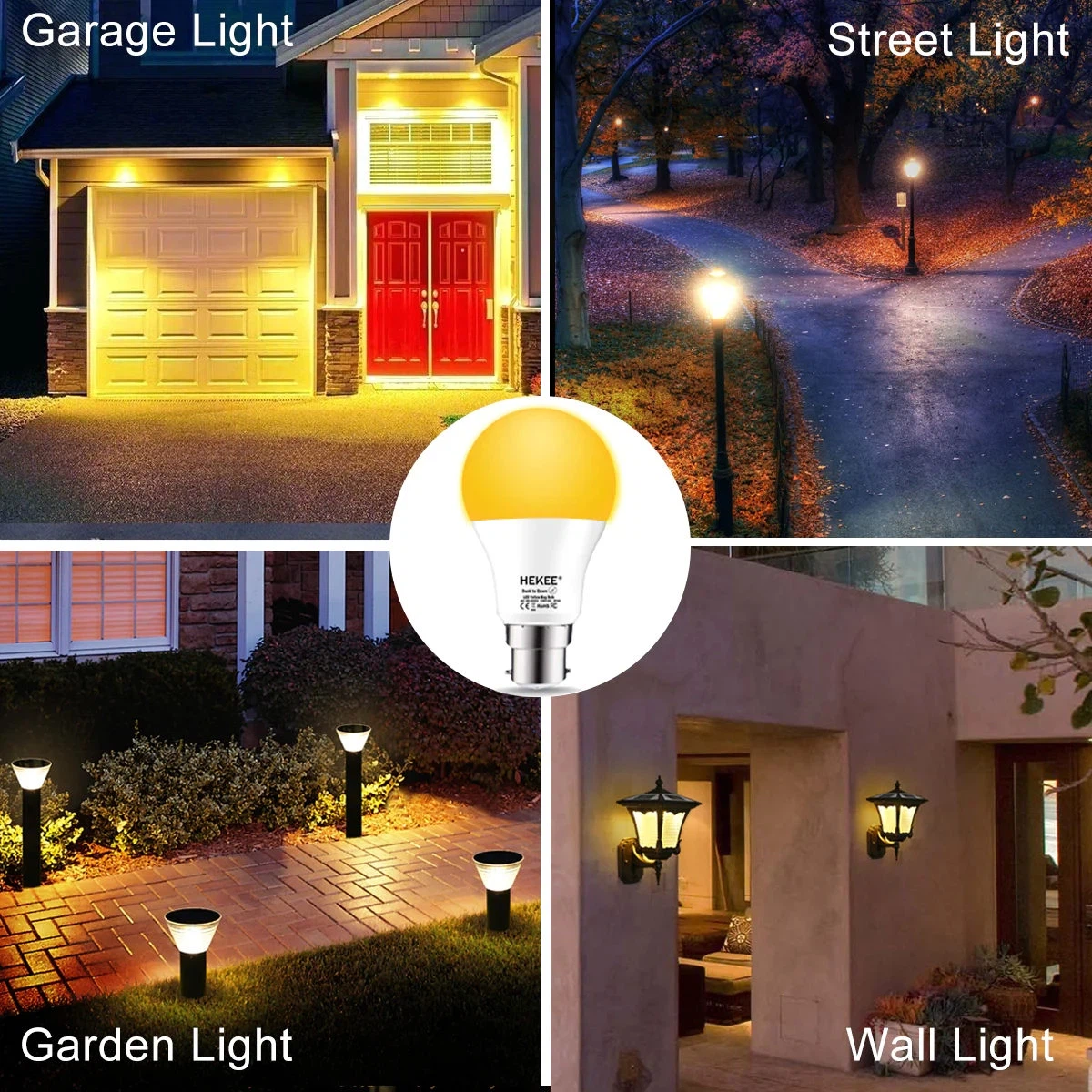
Yellow LED bulbs are a strong weapon that can be used in commercial areas to shape the experience that customers have and the identity of the company. In order to provide a "third place" atmosphere that is warm, inviting, and separate from the formality of workplaces or the chaos of homes, green LEDs with a color temperature range of 2200K to 2700K are frequently used in coffee shops and cafés. As a result of the glow's ability to alleviate tension and promote relaxation, studies have shown that consumers who are in areas that have warm yellow lighting tend to remain for longer periods of time and spend more money. Yellow LEDs are also used in restaurants. Fine-dining businesses may use 2200K bulbs to create a private and elegant ambiance, while informal eateries may choose to use 2700K–3000K bulbs to strike a balance between warmth and sufficient light for guests to read menus. Yellow LEDs are strategically used in retail establishments to emphasize products. For example, clothing boutiques employ 3000K high-CRI yellow LEDs to guarantee that the materials and colors seem as they would in real life. Antique shops utilize 2200K bulbs to accentuate the warmth of wooden furniture and old decor. Even hotels and Airbnb properties take advantage of yellow LEDs in their lobby areas and guest rooms to create a sense of familiarity and comfort for their visitors. Dimmable variants of these LEDs allow for customisation according on the time of day.
Yellow light-emitting diode (LED) lights are advantageous for outdoor areas because of their warmth and endurance. Yellow LED string lights, which are popular for patios, decks, and backyard gatherings, use minimal energy (often 1–2W per bulb) and last for years, even when exposed to rain, snow, or humidity (thanks to IP44+ weather resistance ratings). Traditional outdoor yellow light sources, such as incandescent string lights or halogen floodlights, are prone to burnout and consume a significant amount of energy. Yellow LED floodlights and wall sconces are perfect for illuminating entryways, driveways, and gardens because their warm glow is less harsh than the cool-white glow of floodlights. This allows outdoor places to appear more welcome while still providing sufficient light for safety. The warm glow of yellow LEDs compliments stone, brick, and wood architecture without inflicting any harm. This is in contrast to ultraviolet (UV) generating lights, which can fade or destroy historic materials over time. Yellow LEDs are frequently specified for external lighting in heritage sites and historic structures. To illustrate, a church that dates back to the 19th century may utilize 2700K yellow LED wall sconces to highlight its brick front at night. This would allow the church to maintain its historic charm while simultaneously decreasing its energy expenditures.
Yellow light-emitting diode (LED) bulbs, in addition to their atmosphere and efficiency, provide health and wellness advantages that conventional light sources are unable to match. Yellow light-emitting diode (LED) bulbs are safer for use in households with children, pets, or anyone who have sensitive skin since they do not create any ultraviolet light and do not contain mercury, in contrast to compact fluorescent light bulbs (CFLs), which emit low quantities of ultraviolet radiation. Additionally, they do not flicker, which is a typical problem with incandescent and compact fluorescent light bulbs that, when exposed for an extended period of time, can cause eye strain, headaches, and weariness. In environments where people spend long hours, such as home offices (used for informal work or reading) or senior living facilities, where eye sensitivity is more prevalent, flicker-free yellow LEDs are advantageous. This is especially true for locations where people spend long hours. Yellow light has a minimum influence on melatonin synthesis, making it perfect for nighttime illumination in bedrooms, nurseries, or corridors. Additionally, the warm light of yellow LEDs promotes healthy circadian rhythms. Exposure to cool-white light at night can interrupt sleep by suppressing melatonin, while yellow light has a minor impact on melatonin production.
The possibilities of yellow LED bulbs have been further enhanced as a result of significant technological breakthroughs, which has made them even more suited to contemporary lives. Yellow dimmable LEDs, which are compatible with both conventional dimmer switches and smart home systems, provide users the ability to modify the level of light intensity to suit their own requirements. These LEDs may be bright enough for cooking or reading, or they can be dim enough for watching movies or going to bed. The use of smartphone applications, voice assistants (such as Amazon Alexa or Google Home), or even motion sensors may be used to operate smart yellow LEDs, which adds another layer of sophistication to the situation. For instance, a homeowner may use a voice command to activate the yellow string lights on their patio when they return home, or they can configure the yellow LEDs in their bedroom to fade automatically at nine o'clock at night. Some smart yellow LEDs even support color temperature modification within the yellow spectrum (for example, 2200K to 3000K), which enables users to convert from a candle-like glow to a softer warm white depending on the occasion. Smart yellow LEDs are becoming increasingly popular. Not only do these characteristics improve convenience, but they also maximize the amount of energy that is saved: Motion-sensor yellow LEDs in hallways or outdoor places switch off automatically when there is no one around, and app-based scheduling ensures that lights are only on when they are need to be.
Yellow LED bulbs come with a number of important advantages, one of which is their sustainability, which aligns with worldwide initiatives to limit the amount of hazardous waste and energy usage. As was indicated previously, yellow LEDs consume between 75 and 80 percent less energy than incandescent bulbs, which results in a reduction in greenhouse gas emissions. For example, replacing a 60-watt incandescent bulb with a single 10-watt yellow LED bulb results in a reduction of around 150 pounds (68 kg) of yearly CO2 emissions, which is comparable to planting three trees. Because of their long lifespan, they also reduce the amount of bulbs that are thrown away in landfills. If every family in the United States switched out one incandescent bulb for a yellow LED, it would avoid more than one billion bulbs from being thrown away each year for disposal. Yellow light-emitting diode (LED) bulbs, in contrast to compact fluorescent light bulbs (CFLs), which must be disposed of in a specific manner owing to the presence of mercury, may be thrown away in ordinary garbage. However, many municipalities have set up recycling programs for LEDs in order to recover important components like as copper and aluminum. The Energy Star accreditation from the United States Environmental Protection Agency (EPA) and the ErP Directive from the European Union (EU) are two examples of the stringent energy efficiency criteria that yellow LED bulbs fulfill. This ensures that they meet worldwide benchmarks for both performance and sustainability.
There are a number of benefits associated with yellow LED bulbs; however, there are also some minor issues associated with them. The majority of these challenges have been overcome by current technology advancements. Early yellow LEDs were occasionally plagued by inconsistencies in color temperature (for example, one "2700K" bulb may seem to be warmer than another), but contemporary production techniques have strengthened quality control, which ensures that the color is constant between batches. The initial costs were another obstacle: yellow LEDs used to be five to ten times more expensive than incandescent bulbs; however, prices have decreased by more than eighty percent over the course of the last decade, making them accessible for the majority of customers. The price of a basic yellow LED bulb may be as low as two to three dollars today, while premium dimmable or smart bulbs can vary anywhere from five to fifteen dollars. This is an investment that pays for itself in energy savings within six to twelve months. Compatibility with older dimmer switches is another minor difficulty. While it is possible that certain classic triac dimmers would not operate with LED bulbs, manufacturers have already developed "LED-compatible" dimmers that alleviate this problem. Furthermore, the majority of smart yellow LEDs completely circumvent this issue by connecting to app-based controls.
The conclusion is that yellow LED bulbs are the epitome of a perfect combination of form and function. They illuminate places with a light that is warm and inviting, while also providing great efficiency, longevity, and safety at the same time. In addition to their function as "light bulbs," they have evolved into instruments that may be used to influence one's mood, improve aesthetics, and encourage healthy lives in private residences, commercial establishments, and public areas. Yellow LEDs are expected to become increasingly more adaptable as technology continues to evolve. Future versions may provide even more accurate color customization, interaction with smart home ecosystems, and increased energy efficiency, all while being priced affordably and easily accessible. Yellow LED lights demonstrate that lighting can be both functional and emotional, capable of transforming ordinary rooms into places that have the atmosphere of a home. These bulbs may be used to create a warm and inviting atmosphere in a bedroom, a welcome café, or a secure outdoor patio. Yellow light-emitting diode (LED) bulbs are not merely a lighting option; rather, they represent an investment in a better and more sustainable way of life for anybody who want to strike a balance between warmth, efficiency, and style.
Together, we make it better.
https://www.benweilight.com/lighting-tube-bulb/led-bulb-light/a-light-bulb-with-a-yellow-shell.html
Shenzhen Benwei Lighting Technology Co.,Ltd
Mobile/Whatsapp :(+86)18673599565
Email:bwzm15@benweilighting.com
Skype: benweilight88
Web: www.benweilight.com
Add:F Building,Yuanfen Industrial Zone,Longhua,Bao'an District,Shenzhen, China