A Practical Guide to LED Color Types
By Kevin Rao November 19,2025
When sourcing or using LED lighting, understanding the fundamentals of LED color is essential. While advanced color science can be highly technical, this guide provides a clear overview of the common types of LED colors and their everyday applications, helping you make informed decisions for your lighting projects.
LED colors are broadly divided into two main categories: colored LEDs and white LEDs defined by color temperature. Each serves distinct purposes across various industries and settings.
1. Colored LEDs
Colored LEDs emit light within a specific wavelength range, producing vibrant, saturated colors. They are ideal for applications where color signaling, decoration, or special effects are required.
Common colored LEDs include:
Red (620–750 nm): Often used for warning signs, brake lights, and decorative accents.
Yellow (570–590 nm): Common in caution indicators and festive lighting.
Green (495–570 nm): Used in traffic signals, exit signs, and landscape lighting.
Blue (450–495 nm): Popular for mood lighting, aquatic themes, and backlighting.
Amber (580–595 nm): Frequently used in turn signals, architectural highlights, and vintage-style lighting.
Pink & Purple: Typically created using phosphor-coated blue LEDs, these are widely applied in retail displays, stage lighting, and event decor.
UV (Ultraviolet): Used in blacklight effects, forensic inspection, and curing processes.
IR (Infrared): Applied in security cameras, remote controls, and night-vision systems.

Primary Applications:
Colored LEDs are widely used in:
Landscape and architectural lighting
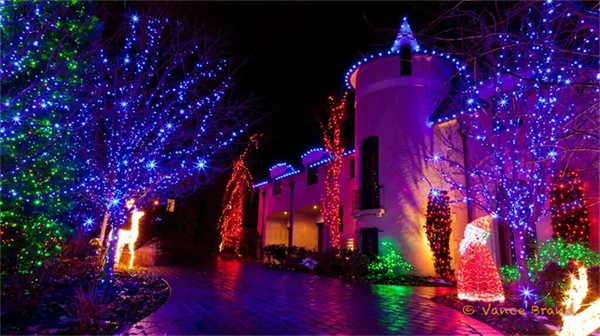
Holiday and festive lighting (e.g., Christmas, Halloween)
Advertising and signage
Stage and entertainment lighting
Artistic installations and interactive displays
2. White LEDs and Color Temperature
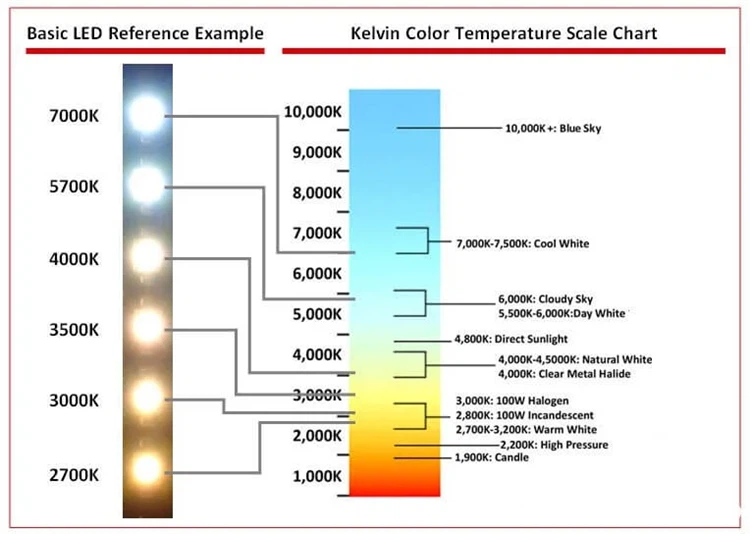
White LEDs are not a single color but are created using blue LEDs coated with yellow phosphor, or by combining red, green, and blue (RGB) LEDs. The shade of white is defined by its correlated color temperature (CCT), measured in Kelvin (K).
Common CCT Ranges and Their Uses:
1800K–2400K: Very warm white, resembling candlelight. Used in hospitality and residential settings to create a cozy, intimate atmosphere.
2700K–3000K: Warm white, similar to incandescent bulbs. Ideal for homes, restaurants, and hotels.
3500K–4000K: Neutral white. Often used in offices, retail stores, and classrooms where clear, focused lighting is needed.
4500K–5500K: Cool white. Common in hospitals, garages, and industrial areas for task lighting.
6500K and above: Daylight white. Used in museums, galleries, and warehouses where high visibility and color accuracy are critical.
Custom color temperatures are also available to meet specific project requirements, such as specialized retail lighting or film production.
How to Choose the Right LED Color
For Functional Lighting:
Use white LEDs with a CCT that matches the environment. Warm white for relaxation areas, cool white for workspaces.
For Decorative or Mood Lighting:
Colored LEDs or tunable white systems offer flexibility. RGBW LEDs (red, green, blue, white) are especially popular for dynamic lighting designs.
For Commercial or Architectural Use:
Consider both CRI (Color Rendering Index) and CCT. A high CRI (≥80) ensures objects appear true to color, while the right CCT enhances the space's functionality and ambiance.

Why LED Color Matters
Selecting the appropriate LED color not only improves visual comfort but also influences human behavior and productivity. Warm lighting can promote relaxation, while cooler tones help increase alertness. In commercial settings, the right lighting can enhance brand perception and customer experience.
Conclusion
Whether you are lighting a home, designing a commercial space, or creating a visual installation, understanding the basics of LED color types is a valuable skill. From saturated colored LEDs used in festive decor to carefully calibrated white light for functional use, LEDs offer unmatched versatility.
By partnering with a knowledgeable manufacturer like Benwei, you can access a wide range of standard and customized LED color solutions tailored to your needs.