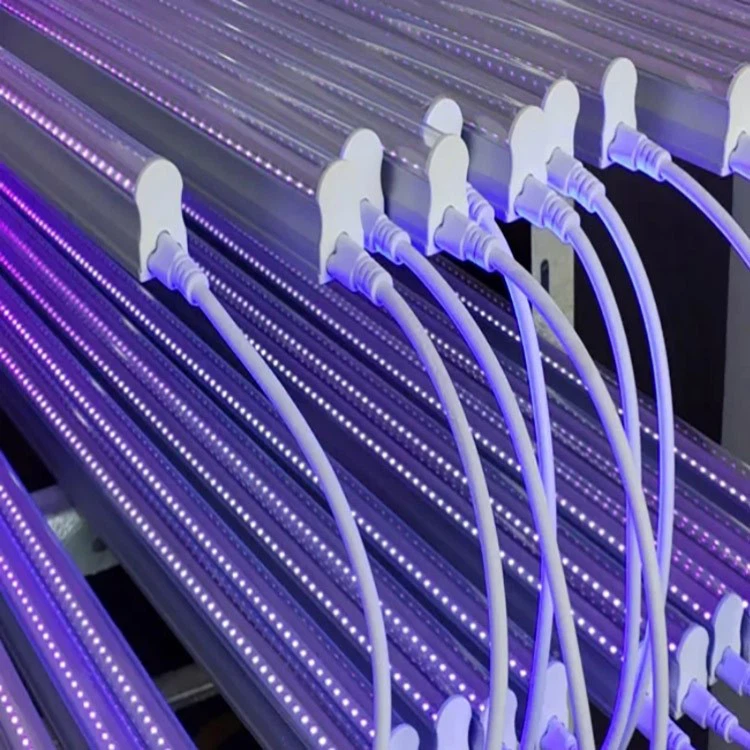
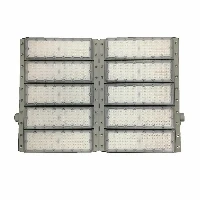
Ultraviolet (UV) technology is now essential in a variety of sectors, including industry and healthcare. Fluorescent UV tubes controlled the market for decades, however UV applications have been transformed by the emergence of LED UV tubes. When compared to conventional fluorescent UV systems, LED UV technology delivers notable gains in environmental sustainability, safety, and efficiency. The main benefits of LED UV tubes are examined in this article, along with the reasons why they are gradually taking the place of more traditional fluorescent variants.
Reduced Operating Costs and Energy Efficiency
Decreased Power Usage
Compared to fluorescent UV tubes, LED UV tubes use 30 to 50% less energy. In order to emit UV light, fluorescent lamps need gas discharge and phosphor coatings, which lose energy as heat. LEDs, on the other hand, produce UV light directly from power with no waste of heat. For instance, a 15–20W LED UV tube may frequently be used in place of a 40W fluorescent UV tube without affecting output.
No Need for Ballast
In order to control current, fluorescent tubes need electrical or magnetic ballasts, which adds complexity and consumes energy. Because LED UV tubes don't require ballasts and run on low-voltage DC power, installations are made easier and energy waste is reduced.
Long-Term Cost Savings
LED UV tubes are more expensive initially, but they save money over time due to their lifetime and energy efficiency. Compared to fluorescent settings, a facility that uses LED UV systems may save up to 60% on power costs. This results in yearly savings of thousands of dollars for large-scale processes like industrial curing lines or water treatment plants.
Extended Durability and Lifespan
Longer Duration of Operations
Conventional fluorescent UV tubes have an average lifespan of 6,000–10,000 hours, and their performance deteriorates with time. However, the lifespan of LED UV tubes can range from 25,000 to 50,000 hours, contingent on component quality and temperature control. This lowers maintenance expenses and the frequency of replacements.
Resistance to Damage from Cycling
Frequent on/off switching accelerates the degradation of fluorescent bulbs. The electrodes and gas are strained with each cycle, reducing their longevity. However, repeated cycling has little effect on LEDs, which makes them perfect for applications that need to be used intermittently (like portable disinfection equipment).
Sturdy Design
Glass tubes and mercury vapor, which are brittle parts that shatter easily in fluorescent versions, are not present in LED UV tubes. In order to increase longevity in challenging conditions, LEDs are frequently enclosed in shatterproof materials like polycarbonate.
Accurate Control and Instant On/Off Capability
Absence of Warm-Up Time
Because the gas within must ionize, fluorescent UV tubes take one to five minutes to attain peak brightness. Instantaneous full-intensity light emission from LED UV tubes increases efficiency in time-sensitive procedures like UV curing and sterilizing.
Programmability and Dimming
LEDs provide for fine control of UV dose since they may be pulsed or muted without compromising performance. In applications where materials are harmed by excessive exposure, such as resin curing, this is crucial. This flexibility is absent from fluorescent tubes, which only function at set intensities.
Improved Security and Decreased Health Hazards
Mercury Removal
Mercury vapor, a hazardous heavy metal found in fluorescent UV tubes, can harm the environment and human health if the tubes break or are disposed of incorrectly. Since LED UV tubes don't contain mercury, they comply with international laws like the Minamata Convention, which gradually phases out items that include mercury.
Emission of Targeted Wavelength
At particular wavelengths, such as 265 nm for UVC disinfection or 365 nm for UVA curing, LEDs emit UV radiation. Filters are necessary to block damaging UVC or infrared light from fluorescent tubes since they create broad-spectrum UV with undesirable wavelengths. This accuracy increases process efficiency and lowers worker exposure hazards.
Reduced Emissions of Heat
Significant heat generation from fluorescent bulbs raises the possibility of burns or fire in small areas. Because LEDs run at lower temperatures, they are safer in delicate settings like labs and hospitals.
Sustainability of the Environment
Decreased Carbon Emissions
The energy efficiency of LED UV systems, particularly in energy-intensive businesses, directly reduces greenhouse gas emissions. Adoption of LEDs may cut lighting energy usage worldwide by 40%, according to a U.S. Department of Energy research.
Reduction of Waste and Recyclability
Because fluorescent tubes contain mercury, they are categorized as hazardous trash, which makes disposal more difficult. LED UV tubes reduce the impact on landfills since they are recyclable and adhere to RoHS (Restriction of Hazardous Substances) regulations.
Outstanding Results in Important Applications
Sterilization and Disinfection
Pathogens like bacteria and viruses can be effectively destroyed by LED UVC tubes (260–280 nm). LEDs provide dependable disinfection in hospitals or water treatment systems since their output is constant, unlike fluorescent UVC lights that gradually lose intensity.
UV Curing
LED UV tubes cure inks and adhesives more quickly than fluorescent systems in the printing and coating industries. Production bottlenecks are lessened by their accurate wavelengths and instant-on capabilities.
Use in Science and Forensics
Whereas irregular UV output might distort findings, LED UV's stability and wavelength specificity increase accuracy in DNA analysis or counterfeit identification.
Regulatory and Economic Trends Supporting the Adoption of LEDs
Because of energy efficiency regulations and mercury restrictions, governments and businesses are gradually discontinuing fluorescent UV systems. For example, the Ecodesign Directive of the European Union encourages the use of LEDs, while GE and Philips have stopped producing fluorescent UV goods.
Obstacles and Things to Think About
Despite their strengths, LED UV tubes have drawbacks.
Greater Initial Cost: Compared to fluorescent installations, LED systems are two to three times more expensive up front.
Heat Management: To avoid overheating, high-power LEDs need heat sinks.
Market Education: The long-term advantages of LED UV are still unknown to certain users.
Rapid technical development is resolving these problems, though, since heat management is getting better and costs are declining.
LED UV tubes offer unparalleled efficiency, safety, and versatility, marking a paradigm change in UV technology. Businesses that switch to LED systems gain from lower operating costs, adherence to environmental standards, and improved process dependability. LED UV tubes will solidify their position as the UV applications of the future, displacing antiquated fluorescent technology as innovation lowers prices and boosts performance.