Are Downlights Right for You? Let's Break Down Their Magic
Choosing the right lighting for your home can feel overwhelming, with endless options ranging from chandeliers to floor lamps. Among these, downlights often fly under the radar, dismissed as "basic" or "utilitarian." But for many homeowners, downlights are a transformative choice that balances functionality, aesthetics, and efficiency in ways few other fixtures can. The question isn't whether downlights are good-they are-but whether they're right for you. In this article, we'll break down their magic, explore their pros and cons, and help you determine if they align with your space, style, and needs. Spoiler: For most people, the answer is a resounding yes.
The Magic of Downlights: What Makes Them Special?
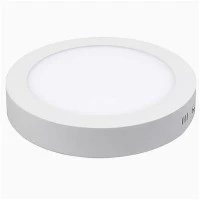
To understand if downlights are right for you, let's first unpack what makes them unique. At their core, downlights are recessed or surface-mounted fixtures that direct light downward, but their magic lies in their versatility, subtlety, and adaptability. Unlike statement fixtures that demand attention, downlights work in the background, enhancing your space without dominating it-a quality that appeals to many homeowners.
One of their greatest strengths is their space-saving design. Recessed downlights sit flush with the ceiling, eliminating the visual clutter of hanging fixtures. This makes them ideal for rooms with low ceilings (where pendants or chandeliers would feel cramped), small spaces (where every inch counts), or minimalist aesthetics (where clean lines are key). In open-concept homes, they provide essential illumination without disrupting the flow between rooms, keeping the focus on the space itself rather than the lighting.
Their ability to create layered lighting is another magical feature. As discussed earlier, downlights excel at ambient, task, and accent lighting, allowing you to customize illumination to fit the room's function. A single type of fixture can brighten a living room for daily activities, highlight artwork, and dim for movie nights-all with simple adjustments. This flexibility means downlights grow with your needs, adapting as your lifestyle or design preferences change.
Energy efficiency is a practical magic trick. LED downlights use a fraction of the energy of traditional bulbs, reducing utility bills and environmental impact. Their long lifespan (25,000+ hours) means fewer replacements, saving time and money over the years. For eco-conscious homeowners or those looking to cut costs, this efficiency is a major selling point.
Finally, their design versatility makes them magical. Available in countless styles, trim finishes, and sizes, downlights blend with any decor-from modern and industrial to traditional and rustic. Whether you prefer sleek, matte black trims or ornate brass details, there's a downlight to match your aesthetic. This adaptability ensures they don't just light your space-they enhance its design.
Who Should (and Shouldn't) Choose Downlights?
Downlights aren't a one-size-fits-all solution, but they work for more people than you might think. Let's start with who they're perfect for:
Minimalist and Modern Design Enthusiasts: If you love clean lines, uncluttered spaces, and a "less is more" aesthetic, downlights are a dream. Their recessed design keeps ceilings sleek and unobstructed, complementing minimalist furniture and neutral color palettes. They add light without visual weight, letting your design choices shine.
Small Space Dwellers: In apartments, tiny homes, or rooms with limited square footage, downlights are a space-saving hero. They don't take up floor or table space, and their ability to distribute light evenly can make small rooms feel larger. For anyone struggling with cramped quarters, downlights maximize functionality without sacrificing style.
Open-Concept Homeowners: Open-concept layouts demand lighting that flows seamlessly between areas without creating visual barriers. Downlights, with their uniform, unobtrusive design, provide consistent illumination across kitchens, dining areas, and living rooms, tying the space together without disrupting the open feel.
Eco-Conscious or Budget-Minded Individuals: LED downlights' energy efficiency and long lifespan appeal to those looking to reduce utility bills or carbon footprints. They require less frequent replacement than traditional bulbs, saving money and reducing waste over time.
Those Who Value Versatility: If your home serves multiple purposes (e.g., a home office that doubles as a guest room), downlights' adjustability is a boon. With dimmers, color temperature controls, and adjustable angles, they adapt to work, relaxation, or hosting with ease.
Now, who might think twice?
Lovers of Statement Lighting: If you crave bold chandeliers, quirky pendants, or dramatic floor lamps as focal points, downlights alone may feel too understated. That said, downlights can still work-paired with statement fixtures to provide ambient light while the focal piece takes center stage.
Homes with Historic or Architectural Ceilings: In rooms with ornate plasterwork, coffered ceilings, or exposed beams, recessed downlights may damage or detract from the ceiling's beauty. Surface-mounted downlights or alternative fixtures are better choices here, preserving the ceiling's integrity.
Renters with Strict Rules: While surface-mounted downlights are renter-friendly, some leases prohibit any ceiling modifications. In such cases, plug-in options or other portable fixtures may be safer choices to avoid lease violations.
DIY-Phobes Avoiding Electrical Work: While retrofitting downlights is manageable for many, those uncomfortable with electrical projects may find installation intimidating. Hiring an electrician adds cost, which could be a deterrent for some.
For most people, however, downlights' benefits far outweigh these considerations-especially when paired with other fixtures to fill any gaps.
Breaking Down the Pros: Why Downlights Shine
Let's dive deeper into the specific advantages that make downlights a strong choice for most homes:
Uniform Illumination: Unlike floor lamps or table lamps, which cast localized light, downlights distribute light evenly across a room, eliminating dark corners and shadows. This is particularly valuable in high-traffic areas like hallways, kitchens, and living rooms, where consistent light enhances safety and functionality.
Aesthetic Flexibility: With trim options ranging from matte white to polished brass and styles from ultra-slim to decorative, downlights complement any design. They can blend into the background or add subtle style, depending on your choice of trim and placement.
Space Efficiency: Recessed downlights don't hang down, preserving vertical space and avoiding the "visual bulk" of hanging fixtures. This is a lifesaver in rooms with low ceilings (below 8 feet) or small square footage, where every inch matters.
Energy Savings: As 反复强调,LED downlights use significantly less energy than traditional bulbs, reducing monthly bills and environmental impact. Their long lifespan also means fewer trips to the store for replacements-a small but meaningful convenience.
Layered Lighting Potential: Downlights are the foundation of layered lighting, working with task and accent fixtures to create depth. This layering makes rooms feel more dynamic and functional, adapting to different moods and activities.
Safety Features: Modern downlights come with safety certifications like IC (Insulation Contact) ratings, ensuring they can be installed near insulation without fire risk. Moisture-resistant IP ratings make them safe for bathrooms and kitchens, where humidity is a concern.
Smart Integration: Many downlights work with smart home systems, allowing for voice control, scheduling, and automation. This adds convenience, letting you adjust lighting from anywhere or set it to match your daily routine.
These pros make downlights a practical, stylish choice for a wide range of homes and lifestyles, explaining their growing popularity among homeowners and designers alike.
Addressing the Cons: When Downlights Fall Short
No fixture is perfect, and downlights have limitations to consider:
Installation Complexity: Recessed downlights require ceiling cutting and electrical work, which can be intimidating for DIYers. Hiring an electrician adds cost, especially for large rooms or multiple zones. Surface-mounted options mitigate this but may not appeal to those seeking a seamless look.
Potential for Poor Placement: When installed incorrectly (e.g., too far apart, wrong beam angle), downlights can create uneven light, glare, or dark spots. This requires careful planning to avoid, which may feel overwhelming for some.
Limited Focal Point Potential: Downlights rarely serve as focal points, which can be a downside if you want lighting to make a design statement. They excel at supporting other elements but don't draw attention to themselves.
Heat Buildup in Older Models: While modern LEDs produce little heat, older halogen downlights can get hot, posing fire risks if installed near insulation or combustible materials. This is easily avoided with LED upgrades but is a concern for homes with outdated fixtures.
Cost of Quality Fixtures: High-quality LED downlights with smart features or durable trims can be pricier upfront than basic fixtures. However, their energy savings and longevity often offset this cost over time.
Understanding these cons helps you plan accordingly-hiring a pro for installation, investing in quality fixtures, or pairing downlights with statement pieces to address their limitations.
How to Choose the Right Downlights for Your Space
If you've decided downlights are right for you, the next step is selecting the perfect fixtures. Here's how to narrow down your choices:
Start with Room Function: The room's purpose dictates beam angle, color temperature, and placement.
Kitchens/Bathrooms: Moisture-resistant (IP44+), medium beam angles (30°–45°) for task areas, 3000K–4000K.
Living Rooms/Bedrooms: Wide beam angles (50°–120°) for ambient light, 2700K–3000K for warmth, dimmable.
Home Offices/Workspaces: Medium beam angles, 4000K for focus, paired with task lamps.
Art/Accent Areas: Narrow beam angles (15°–25°), adjustable, color temperature matching the art's needs.
Consider Ceiling Type:
Drywall/Ceiling Cavity: Recessed downlights are ideal, requiring 4–6 inches of depth for housing.
Concrete/Low Ceilings: Surface-mounted or semi-recessed downlights avoid the need for cavities, preserving space.
Historic/Decorative Ceilings: Surface-mounted or track-mounted downlights prevent damage to architectural features.
Choose the Right Trim:
Minimalist Spaces: Slim, flush trims in white, black, or brushed nickel blend into ceilings.
Traditional Spaces: Decorative trims with beaded edges or brass finishes add elegance.
Industrial Spaces: Exposed bulb trims or metal cages complement raw, utilitarian aesthetics.
Opt for Smart Features if Needed: Dimmable, tunable white, or smart-enabled downlights add convenience, especially in busy homes. Motion sensors are useful in high-traffic areas, while app control benefits frequent travelers.
Calculate Quantity and Spacing: A general rule is 1 downlight per 4–6 square feet for ambient lighting, but adjust based on beam angle and room function. Use online calculators or consult a lighting designer to avoid over- or under-lighting.
https://www.benweilight.com/lighting-tube-bulb/integral-led-downlight-4-5w-20w-3000k-250lm.html