Ballast Compatible vs. Direct Wire LED Tubes
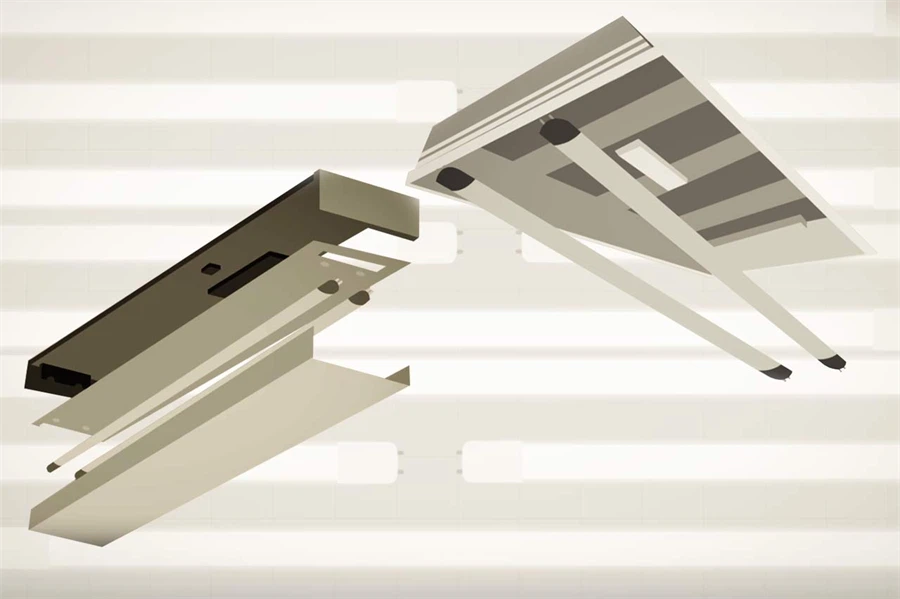
When upgrading to LED lighting, a common question arises: should you keep the existing fluorescent ballasts and use ballast-compatible LED tubes, or remove the ballasts and direct-wire the LEDs?
Both fluorescent and LED lights require regulation of electrical current. Fluorescent tubes use external ballasts, while LEDs typically use drivers. To simplify the transition to LEDs, manufacturers developed two main types of LED tubes:
Ballast-Compatible LED Tubes: These are designed to work with the existing electronic ballasts in your fluorescent fixture. No rewiring is needed-you simply replace the fluorescent tube with the LED tube. However, the ballast must remain in place and must be compatible with the LED tube. There is a small internal driver in the LED tube that works with the ballast.
Direct-Wire LED Tubes: These tubes have an integrated driver built into the lamp. They require the removal of the old ballast and are wired directly to the main power supply. This eliminates the ballast from the system entirely.
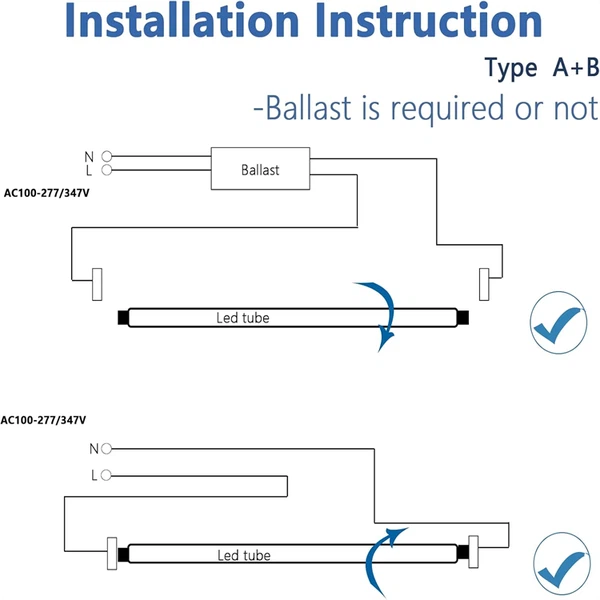
Each option offers distinct advantages:
🔧 Direct-Wire LED Tubes
Initial setup is more complex because it involves rewiring the fixture and removing the ballast.
Long-term benefits include no risk of ballast failure, lower future maintenance, and no need to replace ballasts later.
More energy-efficient since no power is consumed by the ballast.
⚡ Ballast-Compatible LED Tubes
Easy installation-just swap the tubes without changing wiring or ballasts.
Convenient for quick upgrades with minimal labor.
Drawbacks: The ballast may fail before the LED, requiring replacement and resulting in additional cost and downtime.
In summary, ballast-compatible LEDs offer a easier initial installation, while direct-wire LEDs offer greater long-term reliability and energy savings. Your choice depends on your priorities: convenience now or reduced maintenance later.