Be Prepared For Emergencies With Lithium Batteries
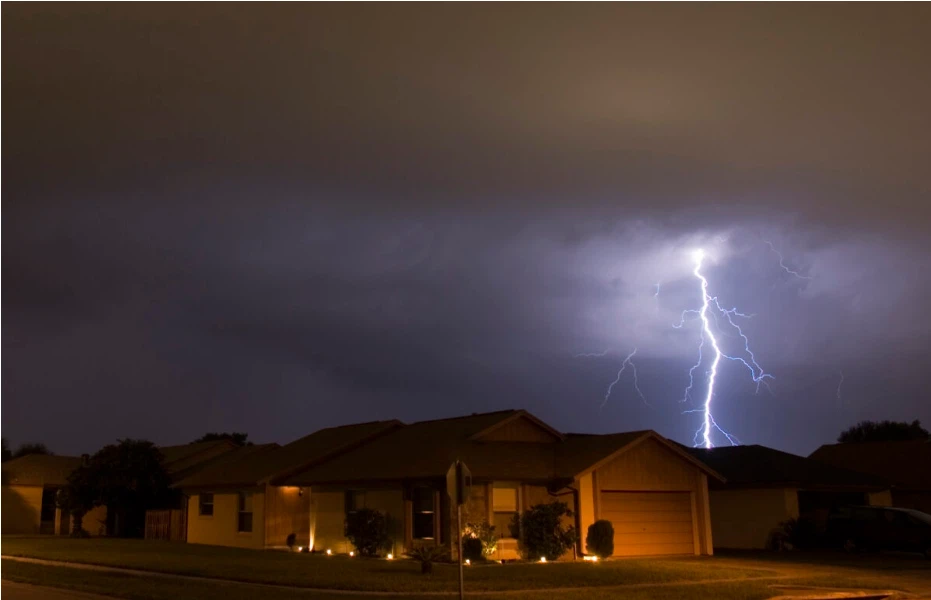
Natural disasters are anticipated to worsen as sea levels rise and global warming continues. Only approximately 5% of people living in the US and Canada have purchased a backup power supply. Generators fuelled by petrol or diesel are the most common power source during natural catastrophes. However, what would happen if you ran out of gasoline or lacked the transportation resources for a generator? The greatest solutions for emergency preparedness and backup power will be discussed in this week's blog. We'll concentrate on portable power options that can be included in your bug-out bag.
As we previously stated, conventional backup power systems consist of gas-powered generators with combustion engines. These engines must only be operated outside in well-ventilated places because of the noise and fumes they produce. Despite the upfront expense, generators also have the disadvantage of not being the most storage-friendly equipment. In addition to routine maintenance like oil changes, gasoline has to be treated with additives to prevent degradation during storage. To maintain everything internally lubricated and charge the battery, if one is present, generators should be operated once for a few hours each month. Some generators may also be difficult to carry since they take up a lot of room and weigh 100 pounds or more for bigger versions. However, generators do have one benefit: if fuel is available, they may provide a lot of electricity during a blackout.
Since lithium batteries don't emit exhaust fumes as generators do, you may use them safely in a small area. As long as you cycle them (discharge and recharge) at least one every six months, you may store them fully charged. With relatively little maintenance needed, lithium batteries spontaneously drain at a rate of roughly 3% each month. Keep in mind that the natural discharge rate will have lost part of its charge if you haven't examined your batteries in a few months. Our lithium batteries are particularly lightweight, weighing only three pounds per amp hour on average. They are portable, energy-dense power sources thanks to their low weight and compact size. See the models we think are excellent choices for an emergency preparedness kit that you may bring with you in the table at the conclusion of this post.
is crucial to be mindful of the tragedy for which you are prepared. Both lithium batteries and generators have a purpose in emergency planning. Essentials may be powered by lithium batteries, and solar panels can be utilised to replenish your batteries in perfect conditions with enough sunlight. Although a gas-powered generator and lithium batteries can sometimes work effectively together, we think lithium batteries provide the distinct benefit. Is there going to be enough sunshine to run solar panels? If you're without electricity for a lengthy period of time without sunshine, in some instances, a modest 1,000-watt gas generator could be a vital backup choice to recharge batteries.
This isn't all that different from how we spoke about sizing battery banks and figuring out power requirements for recreational uses in a prior blog. Make careful to plan what you want to run during an emergency and for how long. Sometimes having access to basic luxuries like a hot cup of coffee may make a really trying situation tolerable. The batteries listed below would work well in emergency kits when connected to a modest inverter. Note that the estimations in the table are based on the typical appliance watt ratings. The precise results you get will depend on the devices you use and how long you spend on them. For information on larger home backup power requirements, please contact us.