Beyond Mosquitoes: Evaluating the Effectiveness and Timeline of UV Insect Killers
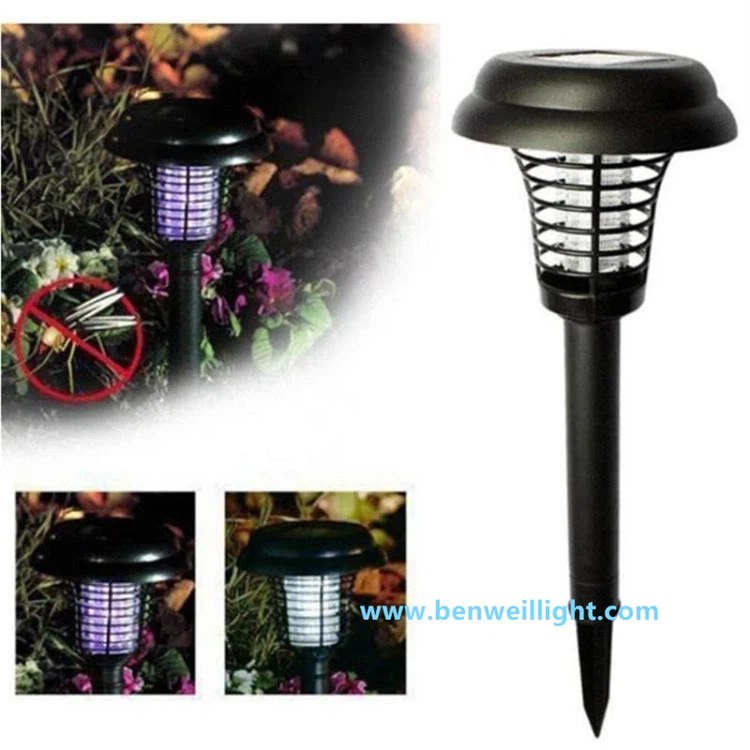
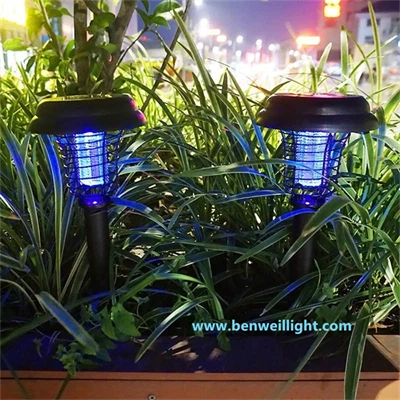
The persistent buzz of a mosquito near your ear is enough to make anyone invest in a solution. Solar-powered UV mosquito killers, with their promise of chemical-free, automated pest control, have become a popular choice for outdoor spaces. However, two critical questions often arise for potential users: Can these devices effectively eliminate other flying pests like flies and midges? And perhaps more importantly, how long must one wait to see a tangible reduction in mosquito populations? The answers lie in understanding the technology's mechanics and the ecology of the insects it targets.
The Scope of Elimination: Flies, Midges, and Beyond
The short answer is yes, UV mosquito killers can and do kill other types of flying insects, but their effectiveness varies significantly based on the species and its attraction to ultraviolet light.
The fundamental principle of these devices is phototaxis-the attraction of insects to light. Many flying insects use natural light sources, like the moon, for navigation. Ultraviolet (UV) light, which has a shorter wavelength than visible light, is highly attractive to a wide range of nocturnal insects that mistake the artificial UV bulb for a natural light source.
Flies: Certain species of flies are strongly phototactic. Smaller flies, such as gnats, fruit flies, and moths (which are not true flies but are often grouped with them by consumers), are highly susceptible to UV light traps. They are drawn relentlessly to the light and are effectively eliminated upon contact with the electrical grid. However, larger flies like house flies can be more opportunistic in their navigation. While they can see UV light and are often caught, their primary attractions are odors (e.g., food waste, manure). A UV light alone may not be as compelling for them as a ripe garbage can, meaning a UV trap will catch some, but not all, of the house flies in an area.
Midgets (Biting Midges/No-See-Ums): These tiny, biting pests are a prime target for UV traps. Midges are notoriously attracted to light, making them highly vulnerable to these devices. For people living near water sources where midges breed, a UV killer can provide significant relief by reducing their numbers.
Other Insects: The device will also indiscriminately attract and kill any other phototactic insects in the vicinity. This includes beetles, moths, and even beneficial or neutral insects like lacewings or caddisflies. This is a crucial consideration for ecologically conscious users, as the trap does not differentiate between a pest and a beneficial pollinator.
Therefore, while marketed as "mosquito killers," these devices are more accurately described as broad-spectrum insect traps that are highly effective against many small, light-loving pests, including midges and moths, and moderately effective against flies.
The Timeline for Significant Results: A Test of Patience
A common misconception is that a UV mosquito killer will provide immediate, mosquito-free bliss from the first night of operation. In reality, seeing a significant difference is a process, not an event. Most users will need to practice continuous use for approximately 2 to 4 weeks to observe a marked reduction in mosquito activity. This timeline is influenced by several factors:
Breaking the Breeding Cycle: The primary goal of the device is not to instantly kill every mosquito in a square mile but to disrupt the local breeding population. Female mosquitoes lay dozens of eggs at a time. By continuously attracting and killing a portion of the female population before they can lay eggs, the trap gradually reduces the number of new mosquitoes being born in the area. This population suppression effect is cumulative and becomes more pronounced over time.
Range and Competition: A UV light's effective radius is limited, typically around ½ to 1 acre for residential models. Mosquitoes from beyond this range can still wander into your yard. Furthermore, the device must compete with other attractants. If you are standing nearby emitting CO2 and body heat-a far more powerful signal to a mosquito-the UV light's influence may be overridden. Placing the trap away from human gathering areas (20-25 feet away) helps draw mosquitoes toward it and away from you.
Environmental Factors: The size of the initial mosquito population, proximity to breeding grounds (like stagnant water), weather patterns, and the amount of daily sunlight the solar panel receives all impact the speed of results. A yard next to a marsh will take longer to see control than a yard in a drier, urban environment.
Conclusion: Setting Realistic Expectations
UV mosquito killers are a valuable tool in the integrated pest management arsenal. They are proven to be effective against a wider range of pests than just mosquitoes, including the notoriously irritating midges and many small flies. However, their strength lies in sustained, population-level control rather than immediate, instant gratification.
For the best results, users should commit to leaving the device running every night throughout the season, positioning it strategically away from patios and decks, and ensuring it receives full sun for maximum charge. By understanding that it operates as a long-term sentinel, silently breaking the breeding cycle night after night, users can appreciate the gradual-and ultimately significant-peace it brings to their outdoor living space.