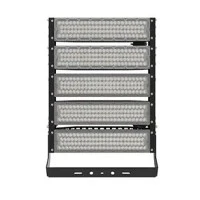
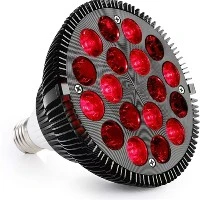
Because of their high-quality illumination, extended lifespan, and energy economy, LED high bay lights have emerged as the preferred option for contemporary industrial and commercial lighting. Dimming is one of the most desired characteristics among the numerous that improve their functionality. The subject of whether LED high bay lights can be dimmed will be thoroughly examined in this article, which will also look at the underlying technology, implementation strategies, advantages, and possible drawbacks.
The Possibility of LED High Bay Light Dimming
The quick answer is that it is possible to dim LED high bay lights. The brightness of LEDs, which are semiconductor devices, may be changed by varying the voltage or current that is applied to them. LEDs have more accurate and effective dimming capabilities than conventional lighting sources like incandescent bulbs, which dim by lowering the voltage and then raising the resistance and heat. Because of this, they are perfect for a variety of uses where different illumination levels are needed.
LED High Bay Light Dimming Technologies
Pulse-Width Modulation (PWM) One of the most popular dimming methods for LED high bay lights is PWM. It operates by quickly turning on and off an electrical current at an extremely high frequency, usually between 100 Hz and 10 kHz. The average power provided to the LED may be changed to alter its brightness by adjusting the duty cycle, or the percentage of time the current is on within a certain period. A 50% duty cycle, for instance, indicates that the current is on for half of the time, producing around half of the maximum brightness. PWM dimming provides a high-quality lighting experience by operating smoothly and without flicker. Additionally, it keeps the LED's colour consistent at various dimming levels, which is essential for applications where colour accuracy is important.
Dimming in analogue
Analogue dimming entails continuously varying the voltage or current applied to the LED. The LED's brightness drops as the voltage or current is decreased. However, because the forward voltage of the LED varies with the current, analogue dimming occasionally results in colour shifting as opposed to PWM dimming. For situations where colour constancy is crucial, this might not be appropriate. Furthermore, flicker may be introduced by analogue dimming at lower brightness levels, which might be problematic in some situations.
Interface for Digital Addressable Lighting (DALI)
LED high bay lights and other lighting equipment may be controlled digitally thanks to the DALI communication standard. It makes it simple to construct intricate lighting settings and schedules by enabling both individual and group control over the lights. DALI allows you to monitor the status of many high bay lights, change their colour temperature (if supported), and dim them all at once. Because of its great versatility, this technology is frequently utilised in large-scale commercial and industrial projects that need for sophisticated lighting management and centralised control.
Advantages of LED High Bay Light Dimming
Energy Savings
Energy conservation is one of the biggest benefits of dimming LED high bay lights. The lighting needs in many commercial and industrial environments change throughout the day. There could be sections of a warehouse, for example, that are only used seldom or that need less light at particular times. Significant energy savings may be achieved by turning down the lights in these spaces when they are not in use. According to studies, dimming LEDs may save up to 80% on energy use when compared to continuously operating them at maximum brightness. These savings have the potential to result in large cost savings for companies over time.
Increased Lifespan
LEDs produce less heat when they are run at lower brightness settings. One major reason that causes LEDs to deteriorate over time is excessive heat. LEDs have a longer lifespan when the lights are dimmed since this lowers their working temperature. This implies that the lighting system will require fewer replacements and require less maintenance. This may save a significant amount of time and money for large-scale installations with lots of high bay lights.
Increased Visual Experience and Comfort
It is possible to create more aesthetically pleasing and comfortable spaces by dimming LED high bay lights. Overly bright lighting can be distracting or uncomfortable for workers in a factory or workshop. The illumination may be adjusted to fit the particular tasks being carried out and the occupants' preferences by lowering the lights to the proper level. Dimming may be used to highlight certain items or exhibits and create various moods in commercial areas like showrooms or exhibition halls, improving the overall visual experience for patrons.
Uses for Dimmable LED High Bay Lighting
In Distribution Centres and Warehouses There are frequently sections of big warehouses with varying usage patterns. For instance, especially during times of low activity, the storage aisles might not always need full-brightness illumination. Energy usage may be decreased by adjusting dimmable high bay lights to give just enough light for employees to move about and reach objects. Additionally, to guarantee safety and visibility in loading and unloading zones, the lights may be turned up or down as necessary.
Manufacturing Establishments
The lighting needs of various production processes in industrial facilities may differ. Bright illumination is crucial for jobs requiring fine precision, such assembly activities. Nonetheless, the lights may be turned down during breaks or when certain manufacturing lines are not in operation. In addition to saving energy, this makes the workplace more comfortable for employees when there is no production.
Commercial Structures
Dimmable high bay lights provide a great deal of versatility in commercial facilities such as conference centres, gyms, and supermarkets. By modifying the lighting levels based on the time of day or the particular areas of the store, supermarkets may employ dimming to create a more welcoming shopping atmosphere. The lights at gyms may be turned down for warm-ups or when the room is empty, and turned up for vigorous exercises or contests. From bright lighting for trade exhibits to softer lighting for seminars and banquets, convention centres may employ dimming to create the ideal atmosphere for a variety of events.
Considerations for the Compatibility of Dimmable LED High Bay Lights
It is essential to confirm compatibility with the dimming system or controller you want to use when selecting dimmable LED high bay lights. Certain dimming systems, such PWM or DALI, may be compatible with particular LED lights. Poor performance, such as flicker, colour shifting, or even damage to the lights, might arise from using an unsuitable dimming system. The price When compared to non-dimmable alternatives, dimmable LED high bay lights and the related dimming systems may initially cost more. But as was already indicated, this initial expenditure is frequently recouped by the long-term energy and maintenance cost benefits. To ascertain whether the savings and additional capabilities outweigh the additional cost for your particular application, it is crucial to perform a cost-benefit analysis.
Configuration and Installation
Compared to conventional lights, installing dimmable LED high bay lights may involve more intricate wiring and configuration, particularly when utilising cutting-edge dimming technologies like DALI. To guarantee correct installation and optimum performance, it is advised to work with a qualified electrician or lighting installer who has experience with dimmable lighting systems. In conclusion, there are several advantages to having LED high bay lights that can be dimmed, including increased comfort, longer lifespan, and energy savings. These lights may be tailored to match the unique lighting requirements of various commercial and industrial applications thanks to the wide range of dimming methods available. The benefits of dimmable LED high bay lights make them a useful addition to contemporary lighting systems, despite a few things to bear in mind.