Choosing Between LED Ready and Integrated LED Fixtures
As commercial buildings increasingly transition from fluorescent and HID lighting to LED technology, a key decision arises: whether to choose LED ready or integrated LED fixtures. Both options deliver the efficiency and performance benefits of LEDs, but they differ significantly in design, flexibility, and application. Understanding these differences is essential to making the best choice for your facility.

What Are LED Ready Fixtures?
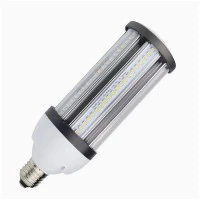
LED ready fixtures are luminaires designed to accommodate compatible LED bulbs, which are typically sold separately. They allow users to select bulbs that meet specific shape, size, and wattage requirements. One of the main advantages of LED ready fixtures is customization-users can choose different color temperatures, brightness levels, or even upgrade to newer LED technologies without replacing the entire fixture. Installation is straightforward and comparable to integrated models, though bulb replacement is simpler since only the light engine needs changing. It is important to note, however, that some LED tubes may present dimming compatibility challenges.
What Are Integrated LED Fixtures?
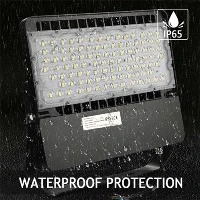
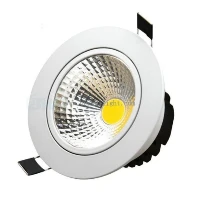
Integrated LED fixtures feature built-in LED arrays designed to operate as a complete lighting system. These fixtures are engineered with specific performance attributes such as fixed Kelvin temperature, lumen output, and optical distribution. Although the initial cost is often higher than LED ready options, integrated LEDs generally offer longer rated lifespans, higher efficacy, and better overall system reliability. Since they operate without external ballasts or drivers, compatibility issues are eliminated, making them a hassle-free, all-in-one solution.
Which Fixture Is Right for Your Application?
Several factors should guide your decision:
Existing Fixture Condition: If your current fixtures require significant repairs, it may be more cost-effective to replace them entirely with integrated LED units rather than retrofitting with LED bulbs.
Compliance Requirements: Building energy codes, such as those from the U.S. Department of Energy, continue to strengthen efficiency standards. Ensure your lighting choice meets local regulations, which can vary by jurisdiction.
Rebate Opportunities: Utilities and organizations like the DesignLights Consortium (DLC) offer rebates for high-efficiency lighting installations. DLC-qualified products must meet strict thresholds for efficacy, color quality, and lifetime. Integrated LED fixtures often more easier to meet these standards due to their optimized design, but some LED ready combinations may also qualify. Always check for local incentive programs.
Choosing between LED ready and integrated LED fixtures depends on your priorities: flexibility and lower initial cost versus longevity, performance consistency, and potential energy incentives. Evaluating your building's specific needs will help identify the most suitable and sustainable lighting solution.