Commercial Lighting Design Strategy for Retail and Hospitality Spaces
Lighting design in commercial environments such as retail stores, hotels, and restaurants plays a direct role in customer experience and business performance.
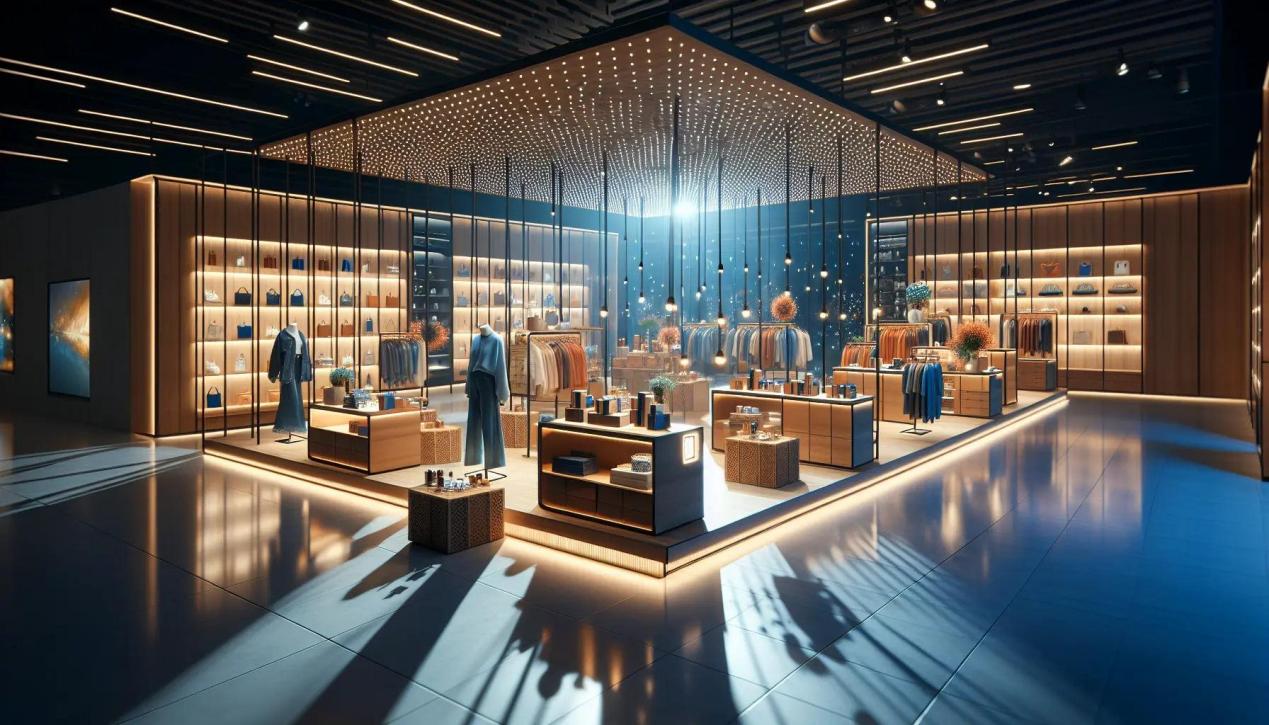
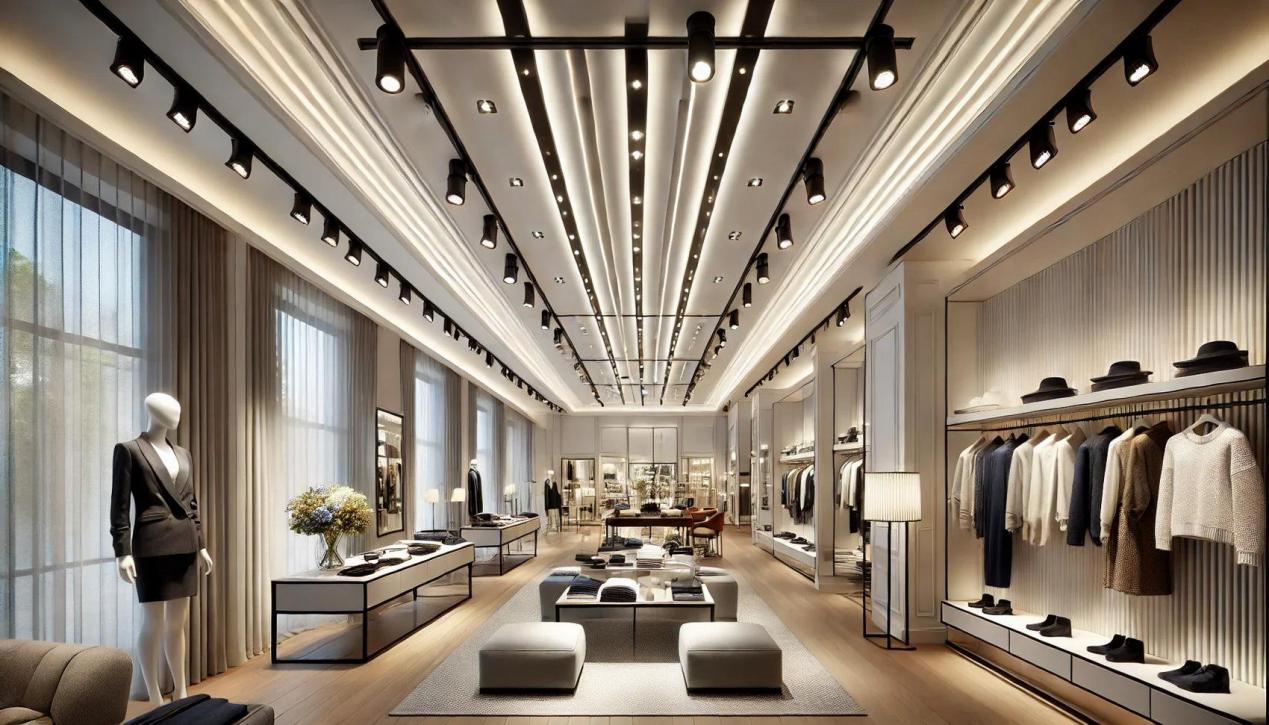
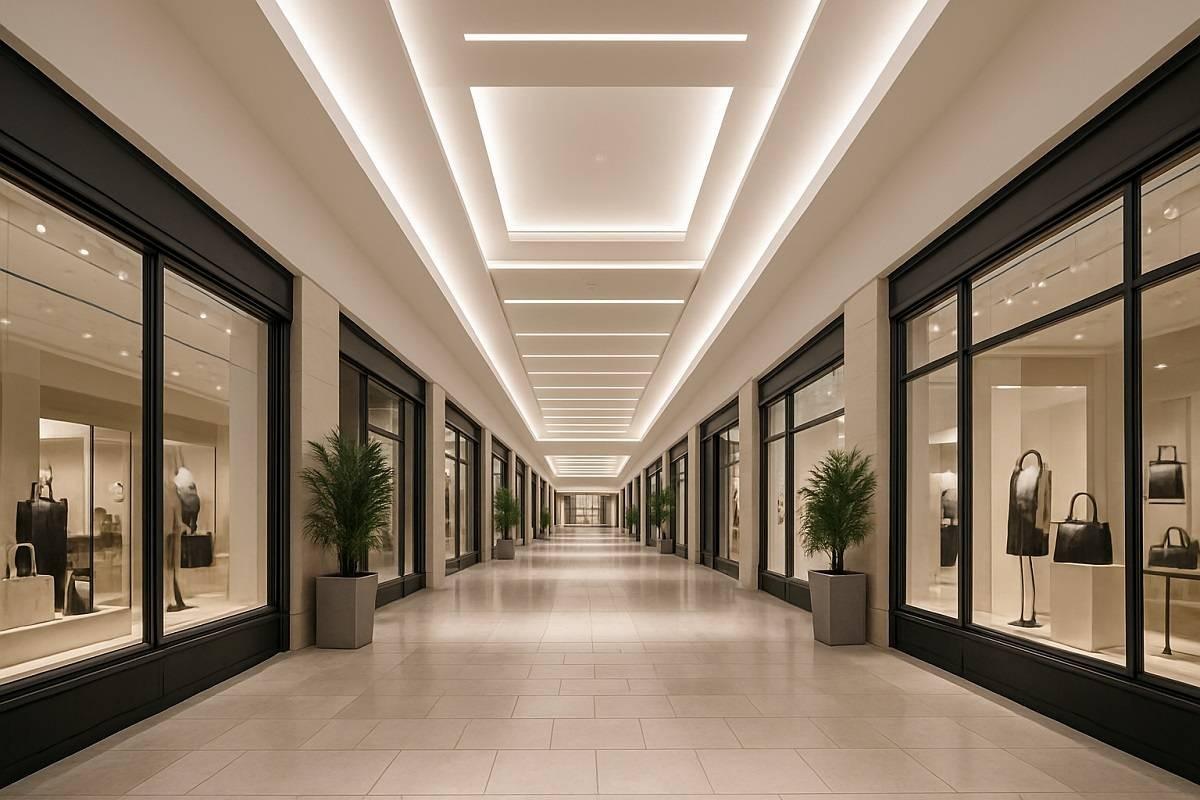
In retail spaces, lighting is used not only for visibility but also for product storytelling. Focused spotlighting helps highlight key merchandise, while ambient lighting creates a comfortable shopping environment. Many fashion brands use adjustable track lighting systems to frequently update visual merchandising layouts.
In hospitality environments, lighting design is closely tied to atmosphere. Hotels often use layered lighting systems combining ambient, accent, and decorative lighting to create a welcoming and premium feel. Warm color temperatures are commonly used in lobbies and guest rooms to enhance comfort.
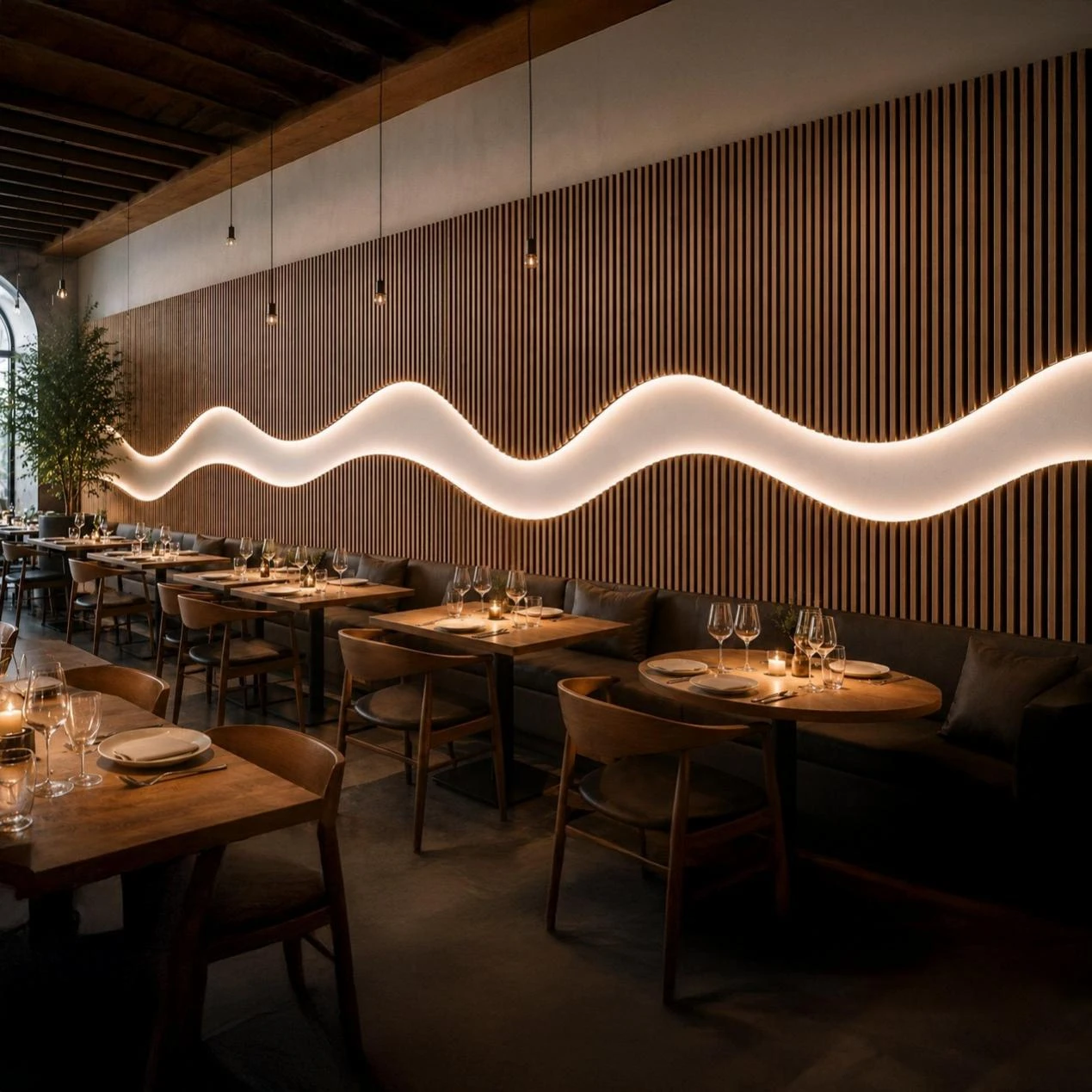
Restaurants rely heavily on mood lighting. Soft, low-glare lighting helps create a relaxed dining environment, while accent lighting highlights architectural features or table areas.
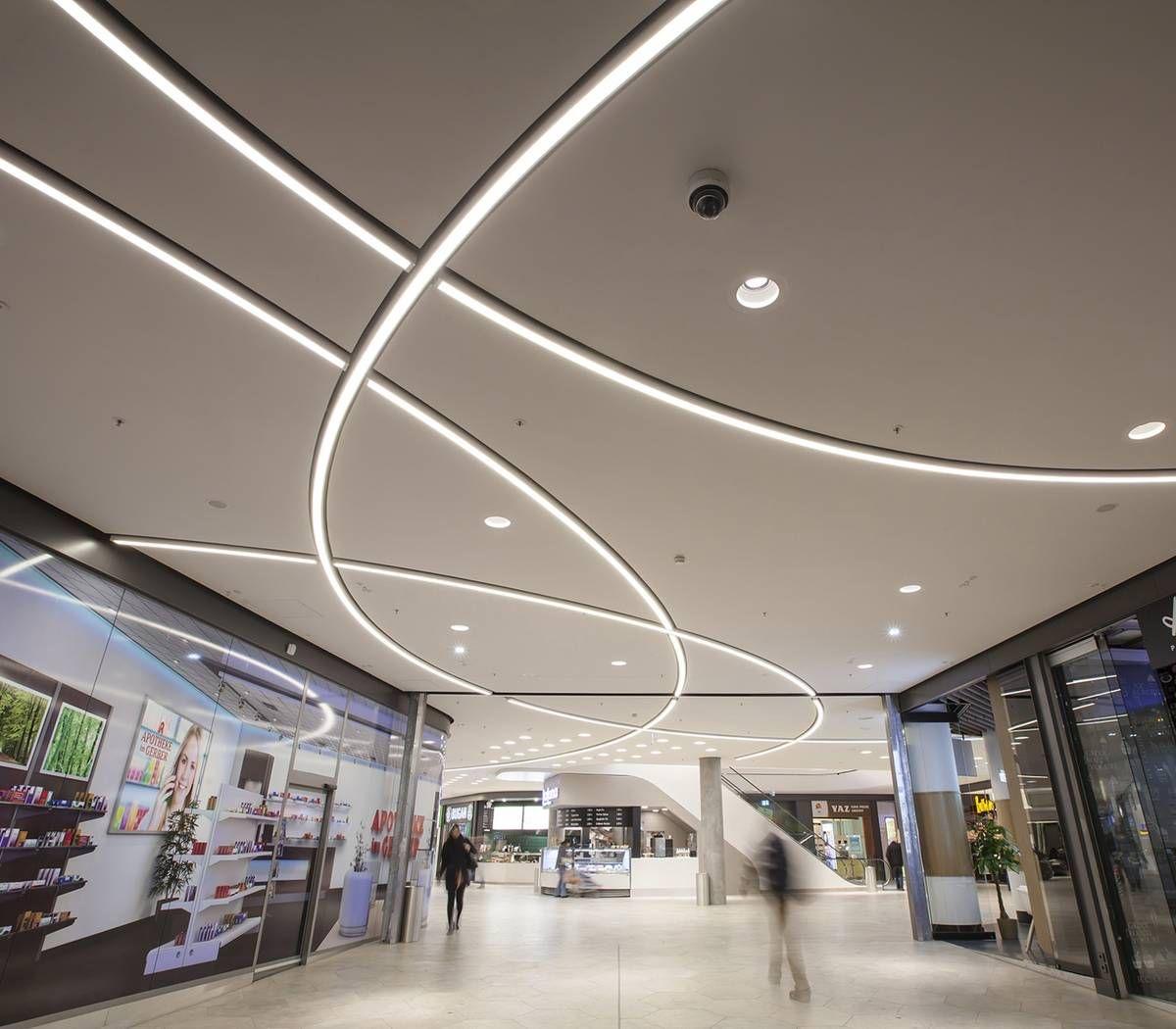
One important trend is zoning control. Different areas within the same space are now controlled independently to support various functions throughout the day.
Energy efficiency is also important, but in commercial design, emotional impact and brand identity often take priority.
As LED systems become more flexible, designers have greater freedom to create dynamic, immersive environments that influence customer behavior.