The Difference Between Downlights and Spotlights
When planning lighting for residential or commercial spaces, understanding the distinction between downlights and spotlights is essential. While both serve important illumination functions, they differ significantly in design, application, and lighting effects. This 800-word guide explores these differences to help you make informed lighting decisions.
Fundamental Definitions
Downlights are recessed lighting fixtures installed into ceilings (or sometimes walls) that direct light downward in a broad, diffuse pattern. They typically create general ambient lighting that blends seamlessly with the architecture.
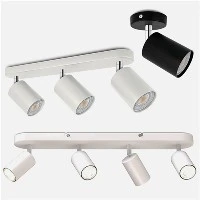
Spotlights are directional lighting fixtures that emit a concentrated beam of light, usually adjustable, to highlight specific objects or areas. They can be surface-mounted, track-mounted, or freestanding, offering precise control over light direction.
Physical Design Differences
The physical construction of these lights reveals their intended purposes:
Downlights feature:
Recessed housing that sits flush with the ceiling
Fixed position (non-adjustable in most cases)
Wider aperture for light emission
Minimal protrusion for a clean, integrated look
Spotlights typically include:
Adjustable heads or gimbals for directional control
Various mounting options (track, pendant, or stand-alone)
Narrower apertures to concentrate light
Often visible housing as part of the design aesthetic
Lighting Characteristics
The quality and distribution of light differ markedly:
Downlights:
Provide wide-angle illumination (typically 90-120 degree beam spread)
Offer softer shadows with less contrast
Create uniform ambient lighting
Generally have lower intensity per fixture but cover larger areas
Spotlights:
Produce narrow, focused beams (often 15-45 degrees)
Create dramatic highlights and shadows
Deliver higher intensity illumination in specific spots
Cause more pronounced contrast between lit and unlit areas
Common Applications
These technical differences lead to distinct use cases:
Downlights are ideal for:
General room illumination in living spaces, kitchens, and hallways
Creating a clean, minimalist ceiling appearance
Spaces where uniform lighting is preferred
Areas with low ceilings where glare must be minimized
Spotlights excel at:
Accent lighting for artwork, architectural features, or retail displays
Task lighting where directional light is needed (kitchen counters, reading nooks)
Creating visual interest through light and shadow play
Situations requiring flexible, adjustable lighting
Installation Considerations
Installation requirements vary significantly:
Downlight Installation:
Requires sufficient ceiling void depth (usually 3-5 inches)
Needs careful planning for even spacing (typically 4-6 feet apart)
Must align with joists or use special remodeling housings
Often requires more fixtures to light an entire space
Spotlight Installation:
Offers more flexibility in placement
Track systems allow for easy repositioning
Adjustable heads accommodate changing needs
Generally fewer fixtures needed (but with more focused impact)
Energy Efficiency and Output
Modern versions of both types use LED technology, but their efficiency differs:
Downlights typically have higher lumen output (800-1500 lumens) spread over wider areas
Spotlights deliver more concentrated lumens (500-1000) in specific directions
Both can be highly energy-efficient with LED options
Downlights may require more fixtures to achieve desired light levels
Aesthetic Impact
The visual effect on spaces varies considerably:
Downlights create:
Subtle, integrated lighting that emphasizes the space rather than fixtures
A modern, streamlined look
Even illumination without obvious light sources
Spotlights provide:
Dramatic focal points and visual interest
The ability to create lighting "scenes" and layers
More visible fixtures that can become design elements
Flexibility and Control
Spotlights generally offer more adjustability:
Rotatable and tiltable heads allow precise aiming
Track systems enable easy repositioning
Individual control of fixtures creates dynamic lighting schemes
Downlights provide:
Fixed, reliable illumination patterns
Less need for adjustment after installation
Simpler control systems (often grouped switching)
Cost Comparison
Pricing factors include:
Downlights often cost less per fixture but require more units
Quality spotlights with adjustment mechanisms may carry premium pricing
Installation costs vary (downlights requiring more ceiling work)
LED options available for both at various price points
Choosing Between Them
Select based on your needs:
For general, uniform lighting: choose downlights
For accent and task lighting: choose spotlights
For maximum flexibility: consider a combination
For minimalist design: lean toward downlights
For dramatic effects: prefer spotlights
Hybrid Solutions
Many modern lighting designs combine both:
Recessed downlights for ambient light
Adjustable spotlights for accents and tasks
This layered approach offers the most versatile lighting
Understanding these differences ensures you select the right lighting type for each application, creating spaces that are both functional and aesthetically pleasing. The best lighting designs often incorporate both downlights and spotlights to achieve balanced, flexible illumination.