Different LED Light Qualities Alter Tomato Growth and Herbivore Performance
This study investigates how red, blue, red‑blue, and white LED light qualities affect tomato plant growth and the performance of two major pests: *Bemisia tabaci* (tobacco whitefly) and *Frankliniella occidentalis* (western flower thrips). Through bottom‑up effects, light quality shapes plant morphology, physiology, and defense capacity, which in turn influence pest feeding, oviposition, and fecundity. The experiment aims to provide light‑management strategies for greenhouse tomato production that balance yield, quality, and pest suppression. Tomato seedlings were exposed to four light treatments at a consistent PPFD of 300 μmol·m⁻²·s⁻¹, with controlled temperature, humidity, and a 16‑hour photoperiod.
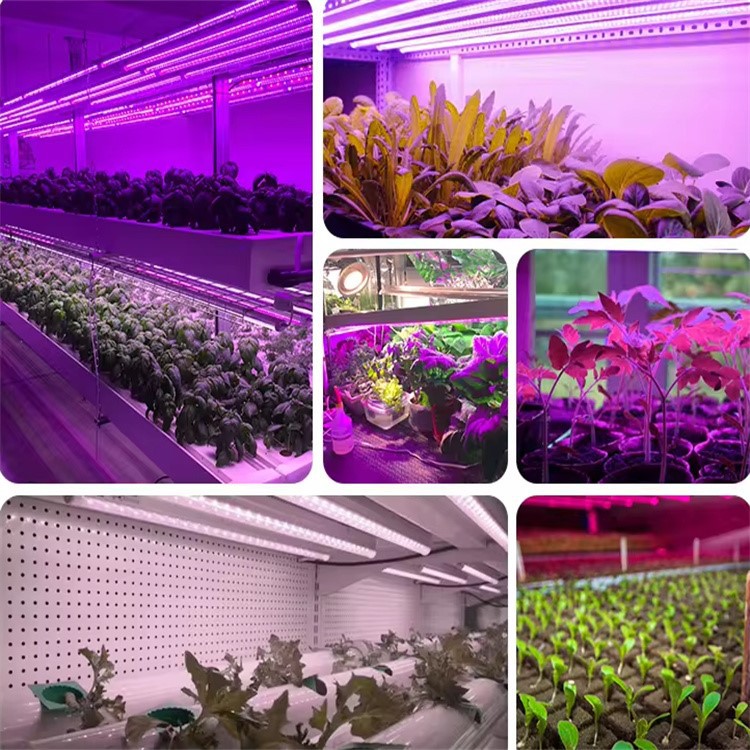
After 15 days, plant growth traits, leaf anatomy, photosynthetic parameters, pigment contents, and photosynthetic products were measured. Pest performance was evaluated by survival rate, fecundity, and feeding/oviposition preference in paired choice tests. Statistical analyses included ANOVA, Tukey's HSD, GLM, and Fisher's LSD tests. Results showed distinct effects of each light spectrum. Red light significantly increased plant height and stem diameter but reduced leaf thickness, photosynthetic rate, stomatal conductance, and transpiration. Blue light suppressed overall plant growth and biomass accumulation, lowered soluble sugar and starch levels, but enhanced leaf thickness, epidermal and palisade tissue development, photosynthetic activity, and carotenoid content.
Red‑blue light was closest to white light in growth impact, slightly reducing vegetative growth while increasing leaf thickness, chlorophyll levels, and photosynthetic efficiency. Regarding herbivore performance, survival rates were unaffected by light treatments, but fecundity and host preference changed significantly. Red light strongly reduced the fecundity of both *B. tabaci* and *F. occidentalis*, and deterred *B. tabaci* feeding and oviposition compared to white light.
Blue light reduced *B. tabaci* fecundity but had less consistent impact on thrips. Red‑blue light significantly decreased feeding and oviposition preference of *F. occidentalis* without harming plant growth as much as blue light. All three non‑white light treatments enhanced tomato defense traits via bottom‑up regulation, likely involving hormone pathways such as salicylic acid and jasmonic acid, which reduce pest suitability. These findings demonstrate that spectral management can be integrated into sustainable pest management. Red and red‑blue LED light are particularly promising: they support acceptable tomato growth while suppressing key herbivores.
Blue light boosts plant defense and photosynthesis but inhibits biomass accumulation, making it less ideal for yield‑focused production. In contrast, red‑blue light offers the best balance, maintaining plant vigor while reducing pest performance. The study concludes that tailored LED light regimes can optimize the growth‑defense tradeoff in tomatoes. Applying red or red‑blue supplementary lighting in greenhouses can reduce reliance on pesticides, improve crop resilience, and support stable yield and quality. Future research should explore variable spectra, light intensities, and interactions with other environmental factors to refine light‑based pest management systems for commercial horticulture.
https://www.benweilight.com/lighting-tube-bulb/grow-lights-for-houseplants.html