Growth Responses of Mint Species to LED Light Intensities for Indoor Greening
Indoor greening with edible and aromatic herbs has gained increasing attention for its aesthetic, psychological, and environmental benefits, including air purification and stress relief. Mint (Mentha spp.) is a popular choice for indoor landscapes due to its sensory and therapeutic value, yet clear guidance on suitable LED lighting conditions remains insufficient. This study, published in *HORTSCIENCE* in 2025, investigated how three mint species respond to different photosynthetic photon flux density (PPFD) levels under indoor LED illumination, aiming to provide practical light recommendations for residential and office greening.
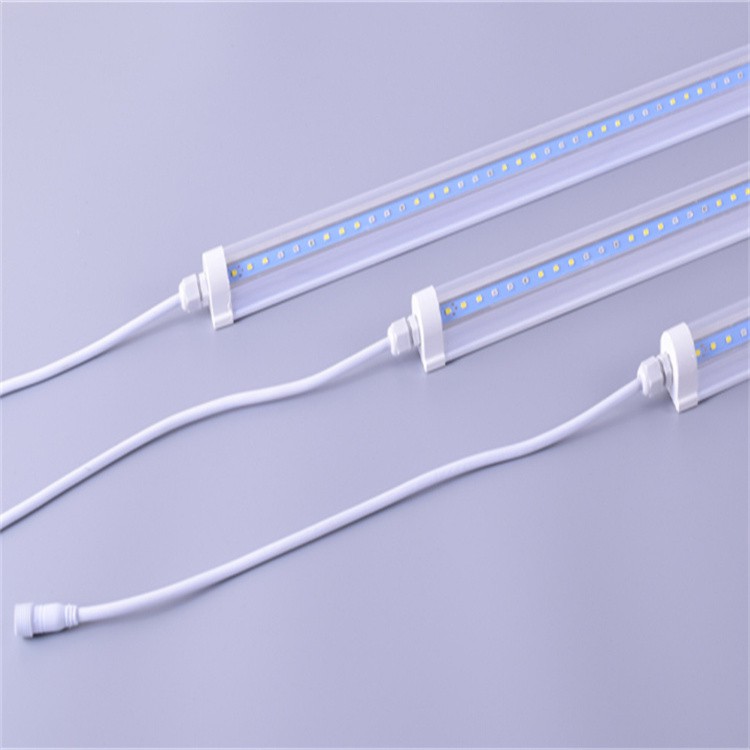
The experiment was conducted in an office room in Chiba, Japan, using LED lights with blue (460–470 nm) and yellow (570–580 nm) wavelengths at a correlated color temperature of 4000 K. Five PPFD levels were tested: 20, 100, 150, 200, and 250 μmol·m⁻²·s⁻¹, with a 14‑hour daily photoperiod. The three tested mint varieties were *Mentha canadensis* var. *piperascens*, *Mentha piperita*, and *Mentha spicata*. Growth was evaluated by shoot dry weight and Soil Plant Analysis Development (SPAD) chlorophyll values, with temperature and humidity kept stable during the test period. Results showed that mint growth generally improved as PPFD increased, but excessive light caused stress. The optimal range for overall mint cultivation was **150 to 200 μmol·m⁻²·s⁻¹**. At 250 μmol·m⁻²·s⁻¹, all three species experienced photoinhibition, marked by reduced photosynthetic efficiency, leaf yellowing, and limited biomass accumulation.
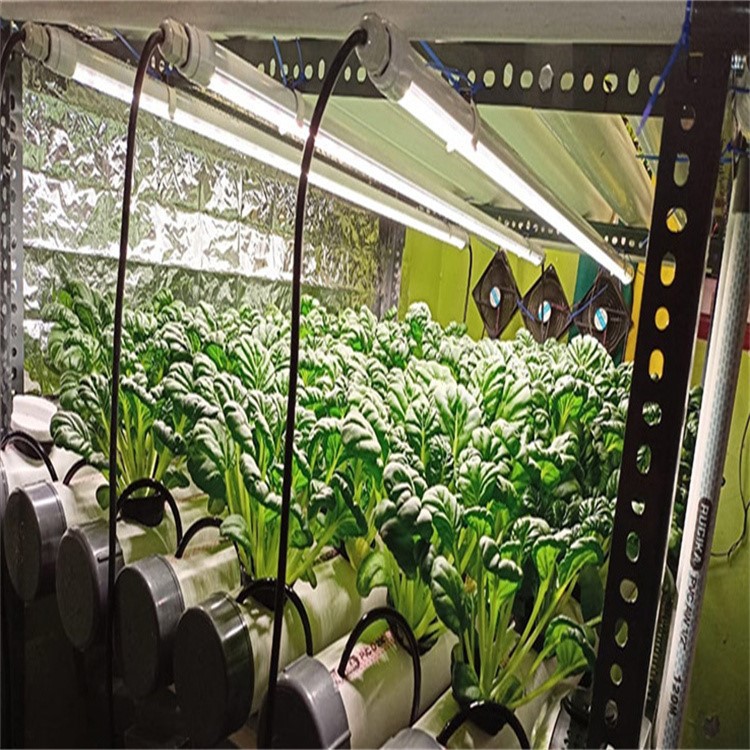
Conversely, the lowest intensity (20 μmol·m⁻²·s⁻¹) led to insufficient light, resulting in elongated stems and weak growth as a shade‑avoidance response. Species‑specific differences were also observed. *Mentha piperita* achieved the highest shoot dry weight at 150 μmol·m⁻²·s⁻¹ and showed clear leaf yellowing above 200 μmol·m⁻²·s⁻¹. *Mentha spicata* grew best at 200 μmol·m⁻²·s⁻¹, while *Mentha canadensis* var. *piperascens* had relatively low biomass across all treatments with no significant differences among light levels. SPAD readings revealed varied chlorophyll responses: *Mentha piperita* had higher SPAD values under low light, indicating stronger shade tolerance, while *Mentha spicata* showed increasing SPAD values with rising PPFD. All species displayed reduced SPAD levels under the highest light intensity, consistent with photoinhibition.
The study concluded that typical indoor office lighting (usually below 20 μmol·m⁻²·s⁻¹) is inadequate for healthy mint growth, and dedicated LED plant lighting is necessary. The 150–200 μmol·m⁻²·s⁻¹ range balances growth, visual comfort, and energy efficiency for indoor use. The findings also support plant selection: fast‑growing *Mentha piperita* suits spaces with regular pruning, while slow‑growing *Mentha canadensis* var. *piperascens* is better for low‑maintenance environments. Future research may explore combined effects of fluctuating light and temperature to improve real‑world indoor herb cultivation systems.
https://www.benweilight.com/lighting-tube-bulb/grow-lights-for-houseplants.html