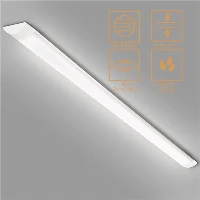
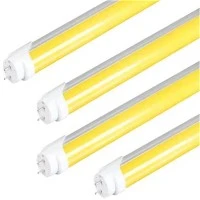
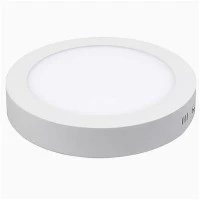
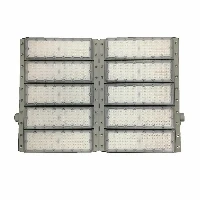
The issue of how much electricity various lighting fixtures use has grown in importance in a time when environmental preservation and energy conservation are top priorities worldwide. This question frequently focuses on LED downlights, which have become very popular in both residential and commercial settings. There is more to the question of whether LED downlights consume a lot of electricity than a simple yes/no response. It necessitates a thorough analysis of their features in light of various use cases and in contrast to other lighting technologies.
Knowing About LED Technology
A semiconductor device known as an LED, or light-emitting diode, releases light when an electric current flows through it. LED downlights transform a far larger proportion of electrical energy into light than conventional incandescent bulbs, which create light by heating a filament until it glows. Up to 90% of the energy used by incandescent bulbs is wasted as heat instead of being used to create light, which is a huge waste of energy. In contrast, LED downlights are quite effective in this area. Only a small portion of the electrical energy they receive is lost as heat; they may convert between 80 and 90 percent of it into light.
The distinctive way that LEDs operate is the reason for their remarkable efficiency. The energy that we see as light is released as photons when electrons and electron holes in the semiconductor material of the LED recombine. The energy-intensive heating processes seen in halogen and incandescent bulbs are no longer necessary thanks to this direct conversion process, which lowers overall energy usage.
Energy Use in Relation to Other Lighting Types
LED downlights use far less energy than conventional incandescent bulbs. For instance, an LED downlight that uses only 8 to 12 watts can produce the same amount of light (lumens) as a conventional 60-watt incandescent bulb. This large power reduction has the potential to result in significant electricity bill savings over time. LED downlights offer an advantage over compact fluorescent lamps (CFLs), which were formerly thought to be a more energy-efficient substitute for incandescent bulbs. An electric current is passed through a gas-filled tube in CFLs, producing ultraviolet light that illuminates a phosphor coating inside the tube. CFLs still use more energy than LEDs, despite being more energy-efficient than incandescent lamps. To generate the same amount of light as an 8–12 watt LED downlight, a CFL may require 15–20 watts. Additionally, while LEDs are mercury-free, CFLs retain trace levels of mercury that provide safety and environmental hazards when disposed of.
Factors Influencing the Energy Use of LED Downlights
The actual electricity consumption of LED downlights in a particular scenario can vary depending on a number of factors. The brightness setting is the first. A lot of contemporary LED downlights have dimming features. They use less electricity when dimmed. An LED downlight, for instance, will consume roughly half as much electricity when set to 50% brightness as when it is at full brightness. This function significantly improves energy savings by enabling customers to modify the lighting to suit their needs. Another important factor is the length of use. An LED downlight will use more electricity the longer it is in operation. Even with prolonged use, its great efficiency means that overall energy consumption will still be less than that of less effective lighting solutions. For example, if an LED downlight is used for 10 hours a day, the electricity cost will be substantially lower than that of an incandescent bulb used for the same amount of time. The LED downlight's quality is an additional consideration. LEDs of higher grade typically last longer and are more efficient. The energy conversion efficiency and lifespan of lower-quality, less expensive LED downlights may be compromised, thereby offsetting any initial cost savings.
Consumption of Energy in Various Use Cases
LED downlights are suitable for usage in living areas, bedrooms, kitchens, and restrooms in domestic environments. LED downlights offer a significant potential to save energy because most homes have numerous lights on for several hours each day. For instance, if a house had 20 LED downlights that use 10 watts apiece and are utilized five hours a day, the power consumption would be 1000 watt-hours (or 1 kilowatt-hour) every day. The daily consumption would be six times higher, or 6000 watt-hours, if 60-watt incandescent bulbs were used in their place. The energy savings from adopting LED downlights are even more noticeable in commercial buildings like offices, retail centers, and hotels where the lighting is frequently on for extended periods of time-up to 12 or 16 hours a day. Making the move to LEDs can result in yearly electricity cost savings of thousands of dollars for a large office complex with hundreds of downlights.
Impact on the Environment and Long-Term Savings
In addition to saving money for consumers, LED downlights' reduced electricity usage also helps the surrounding environment. There is less need for power generation as a result of using less electricity, which lowers greenhouse gas emissions. As the globe moves toward a more sustainable future, this is particularly crucial. Even though LED downlights may initially cost more than incandescent bulbs, they end up being far more cost-effective over time due to their long lifespan (often 25,000 to 50,000 hours or more) and low energy usage. In the long run, LED downlights are a smart investment because users will save money on both electricity bills and replacement bulbs. In conclusion, compared to conventional lighting options, LED downlights consume less electricity. They are a great option for energy-conscious consumers because to their long lifespan, high efficiency, and dimming capabilities. Adoption of LED downlights can result in significant financial, energy, and environmental savings in both residential and commercial buildings. We may anticipate that LED downlights will become even more efficient in the future as technology advances, further establishing them as a top-choice lighting option.