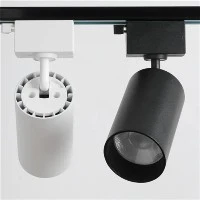
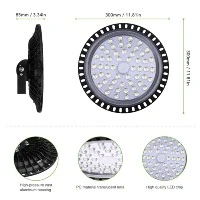
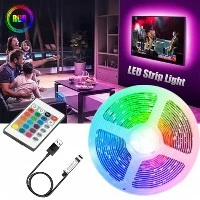
LED (Light Emitting Diode) bulbs have emerged as the industry standard for residences, workplaces, and urban areas in the global movement toward energy-efficient lighting. They are a favorite among environmentally aware consumers because to their extended lifespan, low energy usage, and adaptability. However, concerns over their environmental impact are growing as use increases. Can LEDs be recycled responsibly, and do they contain any harmful materials? The parts of LED lights, their possible hazards, and the difficulties and possibilities of recycling them are all covered in this article.
The Development of LED Lighting
The lighting sector has seen a transformation thanks to LED technology, which has replaced fluorescent and incandescent bulbs in almost every application. It is anticipated that 90% of all lighting sales worldwide will use LEDs by 2030. Although there is no denying that they save energy, there is still disagreement on how they will affect the environment when their useful lives are over. To make sure LEDs live up to their "green" name, it's essential to understand their material composition and recyclability.
What Does an LED Light Contain?
LEDs are sophisticated electronic devices, in contrast to conventional bulbs. Typical LED bulbs include:
The essential part is semiconductor chips, which are composed of indium, gallium, and arsenic.
Heat sinks: Usually made of aluminum, these materials disperse heat to extend their lifespan.
Circuit Boards: Electrical connection is made possible by copper, silver, and other metals.
Plastic housing is often made of epoxy resin or polycarbonate.
Warmer colors are produced from blue LED light via phosphor coating.
Are There Any Dangerous Materials in LEDs?
No Mercury: The hazardous heavy metal mercury is absent from LEDs, in contrast to compact fluorescent lights (CFLs). Because of this, handling and discarding them is safer.
Trace Heavy Metals: Research indicates that the semiconductor chips and solder of LEDs contain trace levels of lead, arsenic, and nickel. For instance, a 2010 research conducted by UC Irvine discovered that the lead level of certain LEDs was higher than the safety limitations set by California. These metals, however, are contained within the lightbulb and present little danger when used normally.
Metals and Plastics: Although the heat sinks and housing are non-toxic, they add to electronic garbage, or "e-waste," if they are not recycled.
Key Takeaway: Although LEDs are much less dangerous than CFLs, they still contain components that should be disposed of properly.
A Comparison of Conventional Lighting and LEDs
Let's contrast the material concerns of LEDs with those of earlier bulb types to put their safety in perspective:
Bulbs with incandescence
Materials: inert gasses, glass, and tungsten filament.
There are no harmful compounds present, but energy loss (95 percent of energy is lost as heat) indirectly damages the environment.
CFLs, or compact fluorescent lamps
Materials: Phosphorus coating and mercury vapor (3–5 mg per bulb).
Risks: Mercury contains neurotoxins. Improper disposal contaminates landfills and rivers, and broken CFLs need to be cleaned carefully.
LEDs
Materials: aluminum, polymers, and trace metals.
Hazards: Low danger when in use, however heavy metals might leak into ecosystems if recycling isn't done properly.
Conclusion: Although LEDs are the least harmful alternative, appropriate end-of-life care is still necessary.
The Recycling Challenge: The Difficulty of Recycling LEDs
Although LEDs are theoretically recyclable, the procedure is made more difficult by their intricate design:
Diverse Substances
LED bulbs mix electronics, plastics, and metals, all of which need to be separated for recycling to be successful. They are difficult for automated systems to dismantle effectively.
Insufficient Financial Motivation
Recycling is less lucrative than, instance, recycling aluminum cans since each bulb contains just a limited amount of recoverable components (such as copper and silver).
Inadequate Facilities
LEDs are not typically accepted by municipal recycling programs, and there are few specialized e-waste facilities in many areas. LEDs are frequently thrown in the usual trash by consumers, which contributes to landfill formation.
LED Light Recycling: A Guide
LED recycling is feasible and becoming more and more important, despite some obstacles. Here's how:
Facilities for E-Waste
LEDs may be processed by specialized e-waste recyclers. LEDs are accepted by companies such as Recyclebulbs (U.S.) and Recolight (UK), who also recover glass, metals, and plastics.
Take-Back Programs at Retail
LED and other bulb recycling boxes are available in-store at several stores, including Home Depot and IKEA.
Accountability of the Manufacturer
Manufacturers are required to finance LED recycling initiatives in the EU under the Waste Electrical and Electronic Equipment (WEEE) Directive. States in the US, such as California, are enacting similar legislation.
Do-it-yourself Divorce
To remove precious components, advanced recyclers employ methods such as chemical leaching, magnetic separation, and shredding. But this isn't practical for individual customers.
The Effects of Poor Disposal on the Environment
When landfills receive LEDs:
Heavy Metals: Over many years, trace levels of lead or arsenic can seep into groundwater and soil.
Plastic Waste: Microplastic contamination is a result of non-biodegradable housing.
Wasted Resources: The loss of valuable metals like copper and aluminum keeps mining demand high.
Case Study: EU vs. US Recycling of LEDs.
European Union: Through required recycling processes, the WEEE Directive guarantees that 85% of LED materials are recovered. LEDs can be freely dropped off by customers at specified pickup locations.
Recycling in the United States is dispersed. Just 25% of e-waste, including LEDs, gets recycled; the remainder is either shipped to underdeveloped countries or dumped in landfills. To increase rates, states like New York and Vermont have passed "producer responsibility" legislation.
New Developments in Recyclable LED Design
Manufacturers are reconsidering LED architecture in order to overcome recycling issues:
Modular Designs: Material separation is made easier by bulbs with snap-apart parts.
Bio-Based Plastics: Safely biodegradable plant-based housings are being tested by companies such as Signify (previously Philips Lighting).
Decreased Hazardous Materials: Scientists are working on lead-free solder and semiconductors free of arsenic.
Actions Customers Can Take
Verify Local Guidelines: Look for retailer programs or e-waste facilities in your community.
Promote Policies: Back laws that make producers answerable for their recycling.
Invest in long-lasting LEDs to cut down on waste.
LED Sustainability's Future
The need to upgrade recycling systems is becoming more urgent as LED use rises. Important trends consist of:
AI-Powered Sorting: Devices that accurately recognize and separate LED components.
Urban Mining: Reducing dependency on mining by recycling e-waste to obtain rare metals.
Models of the Circular Economy: Businesses that lease LEDs rather than sell them guarantee appropriate end-of-life care.
Although Not Perfect, LEDs Are a Step in the Right Direction
Because of their energy efficiency and lack of mercury, LEDs are a major environmental improvement over previous lighting systems. They do have certain shortcomings, though. Because trace heavy metals are present and recycling their constituent parts is difficult, proper disposal is crucial to maximizing their sustainability.
Recycling LEDs takes work on the part of customers, but the benefits include resource conservation and a cleaner environment. The challenge for manufacturers and regulators is to provide infrastructure that keeps up with the rapid advancements in LED technology. We can guarantee that the LED revolution genuinely shines as a light of sustainability by tackling these issues.