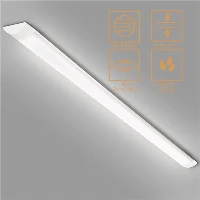
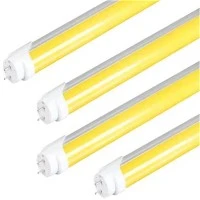
In the modern era of energy-conscious living, LED (Light Emitting Diode) lighting has emerged as a game-changer. While praised for their efficiency and durability, LED bulbs often come with a higher price tag compared to traditional incandescent or compact fluorescent (CFL) bulbs. This disparity in upfront costs raises a critical question for consumers: Do the long-term benefits of LEDs outweigh their initial expense? By examining energy savings, lifespan, environmental impact, and real-world practicality, we can determine whether investing in LEDs is a financially sound decision.
The Initial Investment: Why LEDs Cost More
LED bulbs are undeniably pricier at the point of purchase. A standard LED bulb may cost several times more than an incandescent or CFL alternative. For households or businesses replacing dozens of bulbs, this initial outlay can seem daunting. However, understanding why LEDs cost more helps contextualize their value:
Advanced Technology: LEDs rely on semiconductor materials and intricate engineering to produce light, unlike the simple filaments or gas-filled tubes of older bulbs.
Durability: Built to last for years, LEDs require robust components to withstand prolonged use, which increases manufacturing costs.
Innovation: Companies invest heavily in refining LED efficiency, color accuracy, and smart features (e.g., dimming, connectivity), driving up R&D expenses.
While the upfront cost is higher, it reflects the bulb's long-term performance capabilities.
Energy Efficiency: The Core of Long-Term Savings
The most compelling argument for LEDs lies in their energy efficiency. Unlike incandescent bulbs, which waste most of their energy as heat, LEDs convert nearly all electricity into light. This efficiency translates to direct savings on electricity bills.
For example, an LED bulb uses a fraction of the power required by an incandescent bulb to produce the same brightness. Over months and years, this reduced energy consumption adds up significantly. In households with multiple bulbs running daily, the cumulative savings can offset the initial investment many times over.
Lifespan: Fewer Replacements, Lower Costs
Traditional incandescent bulbs burn out quickly, often lasting less than a year with regular use. CFLs fare slightly better but still require replacements every few years. LEDs, by contrast, are designed to last decades under normal conditions.
This longevity eliminates the recurring expense of buying replacement bulbs. For large households, offices, or industrial facilities, this also reduces labor costs associated with frequent maintenance. Over time, the savings from avoided purchases and reduced downtime make LEDs a cost-effective choice.
Hidden Financial Benefits Beyond the Bulb
The advantages of LEDs extend beyond direct energy and replacement savings:
A. Reduced Cooling Costs
Incandescent bulbs generate substantial heat, which can strain air conditioning systems in warmer climates. LEDs emit minimal heat, indirectly lowering cooling costs in homes and commercial buildings.
B. Environmental Incentives
Governments and utility companies worldwide offer rebates, tax credits, or discounts for switching to energy-efficient LEDs. These programs further reduce the effective upfront cost for consumers.
C. Increased Property Value
Energy-efficient lighting is increasingly valued in real estate markets. Homes or offices with LED lighting may attract eco-conscious buyers or tenants, enhancing resale or rental value.
Case Study: A Household's Journey to LEDs
Consider a typical household replacing 20 incandescent bulbs with LEDs. Initially, the switch may cost significantly more. However, within the first year, the reduced energy consumption begins to offset the upfront expense. Over the following years, the absence of replacement costs and continued energy savings compound, resulting in substantial net savings.
For businesses, the math is even more compelling. Retail stores, warehouses, or offices with hundreds of bulbs can save thousands annually on energy and maintenance, justifying the initial upgrade.
Addressing Common Criticisms of LEDs
Despite their benefits, LEDs face skepticism. Let's address key concerns:
A. Light Quality
Early LEDs were criticized for emitting harsh, bluish light. Modern LEDs, however, offer customizable color temperatures, from warm, cozy tones to bright daylight hues, catering to diverse preferences.
B. Compatibility Issues
Some cheaper LEDs may flicker or fail when paired with dimmer switches. Investing in high-quality, dimmer-compatible LEDs resolves this issue, ensuring smooth performance.
C. Affordability for Low-Income Households
The upfront cost can be prohibitive for budget-conscious consumers. However, subsidized programs, bulk discounts, and pay-as-you-save financing models are making LEDs more accessible.
LEDs vs. CFLs: Which Offers Better Value?
CFLs are often seen as a middle ground between incandescents and LEDs. While cheaper upfront than LEDs, CFLs have drawbacks:
They contain mercury, posing environmental and health risks if broken.
Their lifespan is shorter than LEDs, leading to higher replacement costs over time.
They take time to reach full brightness and degrade faster with frequent switching.
For long-term savings and safety, LEDs remain the superior choice.
The Bigger Picture: Sustainability and Global Impact
Beyond individual savings, LEDs contribute to broader environmental goals. Their low energy consumption reduces reliance on fossil fuels, curbing greenhouse gas emissions. Widespread adoption could significantly lower global electricity demand, easing strain on power grids and slowing climate change.
Future Trends: Cheaper, Smarter, and More Efficient
LED technology continues to evolve. Prices have dropped dramatically over the past decade, and further declines are expected as production scales up. Innovations like smart LEDs (controllable via apps) and human-centric lighting (mimicking natural light cycles) are expanding their appeal.
By 2030, LEDs are projected to dominate the global lighting market, driven by their unmatched efficiency and adaptability.
LEDs Are a Wise Long-Term Investment
The question of whether LED upfront costs are justified by long-term savings has a resounding answer: Yes. While the initial price may give pause, the combination of energy savings, reduced replacements, environmental benefits, and hidden financial perks makes LEDs a financially savvy choice.
For households, the break-even point often arrives within months, after which the savings compound year after year. Businesses and institutions see even faster returns due to larger-scale energy use. As technology advances and prices fall, LEDs will become an even more obvious choice for anyone seeking to cut costs and reduce their carbon footprint.
In a world increasingly focused on sustainability and efficiency, switching to LEDs isn't just a smart financial decision-it's a step toward a brighter, greener future.