Modern lighting has been revolutionised by light-emitting diode (LED) technology, which provides energy efficiency, durability, and variety. The subject of whether LED lights overheat and how they control thermal output in comparison to incandescent or fluorescent bulbs is still often asked, though. Even though LEDs are frequently promoted as "cool" lighting options, heat production is still a possibility. This article compares the thermal management of LEDs to that of conventional bulbs, investigates the science underlying LED heat production, and looks at the consequences for lifetime, performance, and safety.
How Do Heat-Generating LEDs Work?
LEDs do generate heat, unlike what many people think, but their workings are very different from those of previous lighting technologies.
The Science of Heat Generation from LEDs
Electroluminescence, a process where electricity flows through a semiconductor material, activating electrons and releasing photons (light), is how LEDs produce light. Not all energy, though, is transformed into light. The semiconductor junction, which is the centre of the LED chip, is where around 70–80% of the electrical energy in LEDs is converted to heat. To keep the diode functioning and avoid damage, this heat needs to be released.
Important Distinctions from Older Bulbs
Tungsten filaments are heated till they shine in incandescent light bulbs. They lose more than 90% of their energy as heat that radiates as infrared radiation. There is a risk of burns since the glass bulb gets quite hot.
Fluorescent Lights: Fluorescent lights emit light by use of phosphor coatings and mercury vapour. Approximately 80% of their energy is lost as heat, which is produced at the electrodes and through the ballast.
LEDs generate less waste heat overall, but because of their small size, heat is concentrated at the junction, necessitating sophisticated thermal management to prevent early failure.
LED Thermal Management compared with Conventional Bulbs
The longevity, safety, and effectiveness of lighting systems are all influenced by how heat is controlled.
1. LED Heat Dissipation
To remove heat from the semiconductor, LEDs use both passive and active cooling techniques:
Heat Sinks: Heat sinks made of copper or aluminium use conduction to absorb and distribute heat. Their finned designs optimise airflow surface area.
Thermal pads and adhesives: These substances increase heat transmission by improving contact between the LED chip and heat sink.
PCB Design: Secondary heat sinks are made using printed circuit boards (PCBs) with metal cores, such as aluminium PCBs.
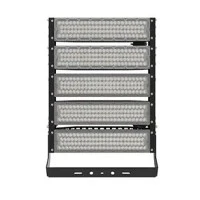
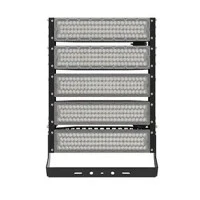
Active Cooling: To quickly dissipate heat, high-power LEDs (such those seen in stadium lights) may employ liquid cooling or fans.
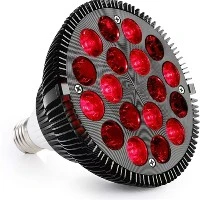
Example: To remove heat from the diode, a standard LED bulb incorporates a heat sink into its base, which is frequently hidden behind a plastic casing.
2. Managing Heat in Older Light Bulbs
Incandescent light bulbs release heat into the surrounding air. Although thermal control is not required, too much heat can harm adjacent materials or fixtures.
Ballasts are used in fluorescent tubes to control current and lower electrode heat. Heat accumulation, however, can reduce the lifespan of enclosed fixtures.
Comparison of Temperatures
LEDs: Surface temperatures range from 30 to 50°C (86 to 122°F), while operating at 60 to 85°C (140 to 185°F) at the junction.
The filaments of incandescent bulbs may reach 2,500°C (4,532°F), while the surface temperatures surpass 150°C (302°F).
Ballasts in fluorescent tubes may reach 100°C (212°F), but surface temperatures typically range between 40 and 50°C (104 and 122°F).
Even though LEDs operate more efficiently overall, their localised heat needs to be carefully controlled to prevent "thermal runaway," a condition in which the diode's efficiency deteriorates as temperatures rise.
Why Overheating Is Important: Dangers and Repercussions
Inadequate LED heat management can result in:
Decreased Lifespan: Lumen degradation is accelerated by high temperatures. If overheated, LEDs with a 50,000-hour rating might fail in 10,000 hours.
Colour Shift: Unwanted colour shifts, such as blue tints, are caused by heat breaking down the phosphor coatings in white LEDs.
Efficiency Loss: Too much heat causes the semiconductor to become more resistant, which lowers the amount of light produced per watt.
Safety Risks: Although seldom, extended overheating can harm drivers or cause combustible materials in fixtures with poor construction to catch fire.
An Analysis of Enclosed Fixtures
Without enough ventilation, LED bulbs used in enclosed fixtures-like recessed ceiling lights-frequently overheat. Because conventional LEDs may fail too soon in confined areas, manufacturers indicate if a bulb is rated for such environments.
Innovations in Thermal Management for LED Design
Improvements in engineering and materials science have enhanced LED heat dissipation:
1. Technology known as Chip-on-Board (COB)
By directly mounting many diodes on a substrate, COB LEDs disperse heat across a greater surface area. Efficiency is increased and junction temperatures are decreased as a result.
2. Packages Made of Ceramic
Ceramic housings, as opposed to plastic ones, provide superior thermal conductivity and resilience to heat stress in high-end LEDs.
3. Intelligent Thermal Retraction
In order to prevent damage, some drivers have sensors that, in the event that the temperature rises over acceptable bounds, dim or turn off the LED.
4. Heat Spreaders Made of Graphene
Graphene layers are used in experimental LEDs to improve heat dissipation, which might completely change thermal management.
LED and Conventional Bulb Applications: A Comparison
Where and how certain bulbs are used are influenced by thermal output:
Household Environments
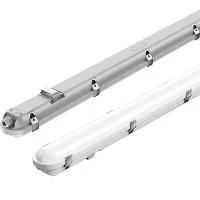
If correctly rated, LED tube lights are perfect for dimmable settings, enclosed fixtures, and task lights. Spaces with inadequate ventilation run the danger of overheating.
Incandescents: Phased out because of their inefficiency and fire hazards.
Fluorescents should not be used in houses because of their sluggish warm-up times and mercury content.
Business/Industrial Environments
Because of their durable designs and strong heat sinks, LEDs are the industry standard for high-bay lighting, signage, and outdoor spaces.
Metal Halide/HPS: Some warehouses still utilise older high-intensity discharge (HID) bulbs, but these need to be replaced frequently and produce too much heat.
The Best Ways to Avoid LED Overheating
Select the Proper Fixture: For high-wattage LEDs, use open or well-ventilated fixtures.
Verify Enclosure Ratings: If necessary, make sure the lights are certified for enclosed areas.
Avoid overdriving LEDs: Heat output increases when voltage is greater than recommended.
Frequent Maintenance: To keep airflow going, dust heat sinks.
LEDs are cooler yet still susceptible to heat.
LEDs are safer and more energy-efficient than incandescent or fluorescent lights because they produce less ambient heat. However, careful thermal control is required due to their localised heat output at the semiconductor junction. Modern LEDs offer unmatched endurance and efficiency while reducing the risk of overheating thanks to heat sinks, sophisticated materials, and clever design. LEDs will continue to perform better as technology advances thanks to developments like graphene cooling and adaptive thermal solutions, securing their position as the lighting of the future.
Knowing these guidelines enables companies and people to use LEDs efficiently, guaranteeing peak performance in commercial, industrial, and residential settings.

https://www.benweilight.com/linear-lighting/led-batten-light/led-linkable-led-batten-light-ip65.html