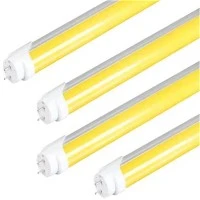
Do T6 LED Tubes Interfere with Radio Frequencies (RFI/EMI)?
Introduction
As LED lighting becomes more prevalent, concerns about electromagnetic interference (EMI) and radio frequency interference (RFI) have grown. T6 LED tubes, like other LED lighting products, can potentially cause interference with nearby electronic devices, including radios, Wi-Fi networks, and medical equipment. This article explores whether T6 LED tubes generate RFI/EMI, the factors that contribute to interference, and how to mitigate potential issues.
Understanding RFI and EMI in LED Lighting
1. What Are RFI and EMI?
Electromagnetic Interference (EMI): Unwanted disturbances caused by electrical devices that disrupt the performance of nearby electronics.
Radio Frequency Interference (RFI): A subset of EMI that specifically affects radio signals (AM/FM, Wi-Fi, Bluetooth, etc.).
2. How Do LED Tubes Generate Interference?
LED drivers (the power supply inside LED tubes) convert AC power to DC, which can produce high-frequency electrical noise. Poorly designed drivers may emit electromagnetic waves that interfere with:
AM/FM radios (causing static or signal loss)
Wi-Fi and Bluetooth devices (reducing signal strength)
Medical equipment (in hospitals or labs)
Industrial control systems (affecting sensors and communication)
Do T6 LED Tubes Cause RFI/EMI?
1. It Depends on the Driver Quality
Cheap, Non-Compliant T6 LEDs – Often lack proper EMI filters, leading to noticeable interference.
High-Quality, Certified T6 LEDs – Comply with FCC (USA), CE (EU), or CISPR standards, minimizing RFI/EMI.
2. Common Symptoms of Interference
Radio static when the LED tube is turned on
Wi-Fi signal drops near LED fixtures
Flickering in other electronic devices (e.g., speakers buzzing)
3. Real-World Testing & Studies
A 2018 IEEE study found that some low-cost LED drivers emitted strong EMI in the kHz to MHz range, affecting AM radio signals.
FCC-certified LEDs showed significantly lower interference levels.
How to Prevent RFI/EMI from T6 LED Tubes
1. Choose Certified LED Tubes
Look for:
FCC Part 15/18 Compliance (USA)
CE Marking (EU)
CISPR 15 (International EMI Standards)
2. Opt for High-Frequency Drivers
High-quality switching power supplies reduce noise.
Ferrite cores (chokes) can suppress interference.
3. Proper Installation & Shielding
Keep LED tubes away from sensitive electronics.
Use shielded cables for power connections.
Ground the fixture properly to dissipate electrical noise.
4. Test Before Large-Scale Installation
If possible, test a single T6 LED tube near radios or Wi-Fi routers before full deployment.
Conclusion
While T6 LED tubes can generate RFI/EMI, the risk depends largely on the quality of the driver and compliance with EMI standards. High-quality, certified LED tubes are designed to minimize interference, whereas cheap, uncertified models may cause disruptions in radio signals and wireless communications.
To avoid problems:
✔ Purchase FCC/CE-certified T6 LED tubes
✔ Install ferrite filters if interference occurs
✔ Keep LEDs away from sensitive electronics
By following these best practices, users can enjoy the energy efficiency of T6 LED lighting without worrying about electromagnetic interference.