Transparent vs. Frosted Covers for LED Lamps: Which Is Better?
Introduction
When selecting LED lamps, one important consideration is whether to choose fixtures with transparent or frosted covers. This decision affects not only the aesthetic appeal of the lighting but also its functionality, light distribution, and overall performance. Both options have distinct advantages depending on the intended application, environment, and desired lighting effect. This article explores the key differences between transparent and frosted covers for LED lamps to help consumers make informed decisions.
Light Quality and Distribution
The primary difference between transparent and frosted covers lies in how they manipulate light:
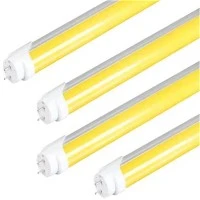
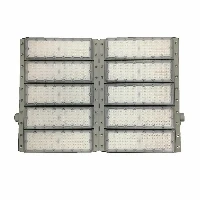
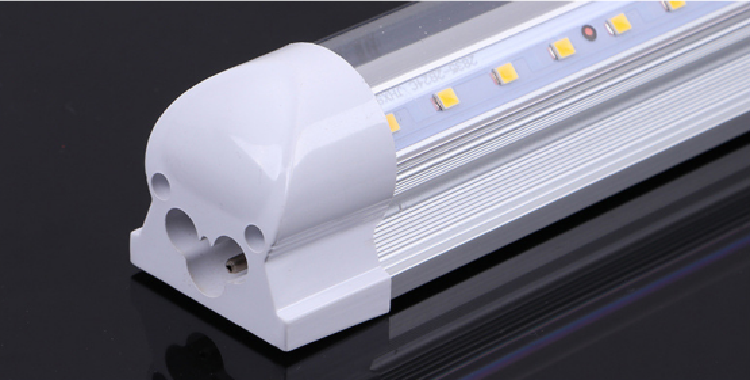
Transparent covers allow light to pass through with minimal diffusion, resulting in:
Higher light intensity and brightness
More focused beams with sharper shadows
Better showcase of the LED components (which some may find unattractive)
Potential for glare if not properly designed
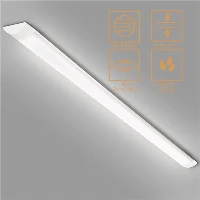
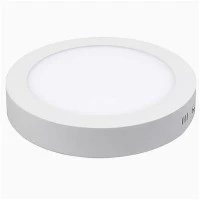
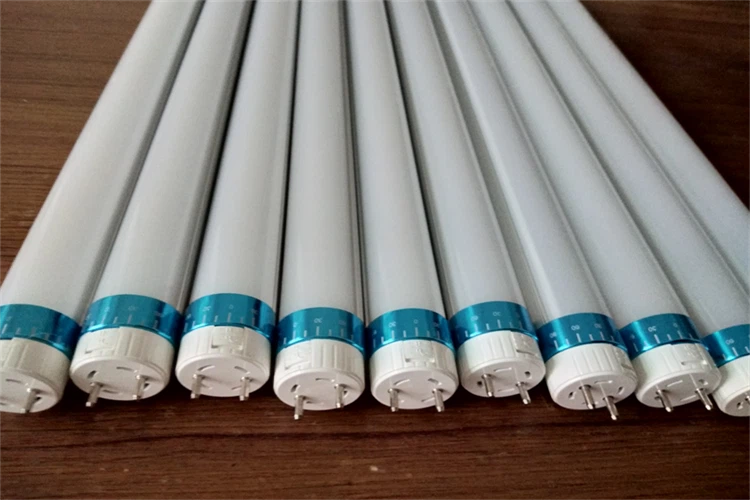
Frosted covers diffuse the light by scattering it across their textured surface, leading to:
Softer, more evenly distributed light
Reduced glare and eye strain
Minimized visibility of individual LED points
More uniform illumination with less distinct shadows
Energy Efficiency and Brightness
Transparent covers generally offer slightly better energy efficiency because they don't absorb or scatter as much light as frosted covers. This means:
More lumens reach the intended area with transparent covers
Frosted covers may require slightly higher wattage to achieve similar brightness levels
The difference in efficiency is typically small (5-15%) with modern LED technology
However, the perceived brightness may differ from actual light output measurements due to how human eyes perceive diffused versus direct light.
Aesthetic Considerations
The choice between transparent and frosted covers significantly impacts the lamp's appearance:
Transparent covers:
Provide a modern, high-tech look
Allow visibility of the LED components and internal structure
Work well in contemporary or industrial design settings
Can appear harsh if the LED arrangement isn't aesthetically pleasing
Frosted covers:
Offer a softer, more traditional appearance
Hide the internal components for a cleaner look
Blend well with most interior design styles
Provide a more subtle lighting presence when the lamp is off
Application-Specific Recommendations
The ideal choice depends largely on where and how the LED lamp will be used:
Transparent covers work best for:
Task lighting where bright, focused light is needed (e.g., desk lamps, kitchen under-cabinet lighting)
Decorative lighting where the LED arrangement is part of the design
Retail displays to highlight products with more intense illumination
Outdoor lighting where maximum light output is prioritized
Frosted covers are preferable for:
Ambient lighting in living spaces, bedrooms, and dining areas
Office lighting to reduce glare on computer screens
Ceiling fixtures where soft, even illumination is desired
Environments where visual comfort is a priority (hospitals, schools)
Maintenance and Longevity
Both cover types are durable with LED technology, but there are some differences:
Transparent covers show dust and fingerprints more easily
Frosted covers may gradually lose some diffusion properties if scratched
Cleaning frosted covers requires more care to maintain their light-diffusing qualities
Neither type significantly affects the lifespan of the LED components
Cost Considerations
Generally, the price difference between transparent and frosted covers is minimal. Any cost variation typically results from:
Additional manufacturing steps for frosting the cover
Higher-quality diffusion materials in premium frosted covers
Design elements rather than the cover type itself
Conclusion
The choice between transparent and frosted covers for LED lamps depends on specific needs and preferences. Transparent covers offer brighter, more focused light with higher efficiency, making them ideal for task lighting and applications where maximum light output is desired. Frosted covers provide softer, more diffused illumination that reduces glare and creates pleasant ambient lighting, better suited for living spaces and work environments.
For most residential applications, frosted covers tend to be the preferred choice due to their visual comfort and aesthetic versatility. However, in commercial or specialized settings where light precision and intensity are priorities, transparent covers may be more appropriate. Modern LED technology has significantly narrowed the performance gap between these options, allowing consumers to base their decision primarily on the desired lighting effect rather than technical limitations alone.
Ultimately, the "better" option depends on the specific context of use, with both transparent and frosted covers offering distinct advantages that cater to different lighting requirements and design preferences.
Milky cover
Clear cover
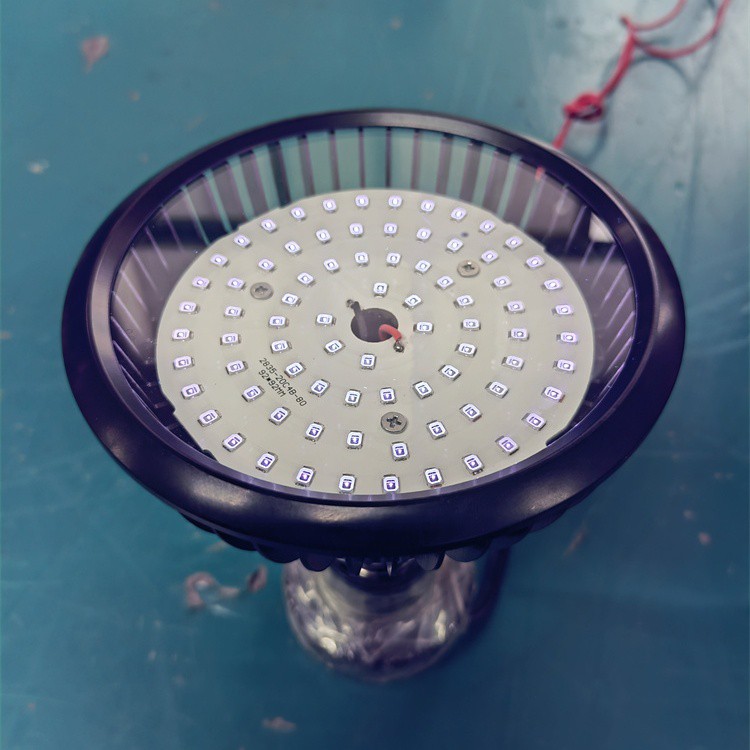
Glass cover
Shenzhen Benwei Lighting Technology Co., Ltd
Kevin Rao
Tel/WhatsApp: +86 199 7256 3753
Email: bwzm12@benweilighting.com
Skype: bwzm32
WeChat: 19972563753