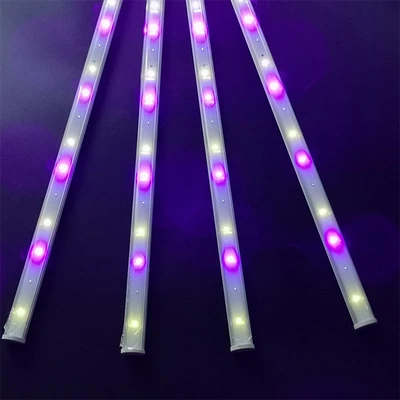
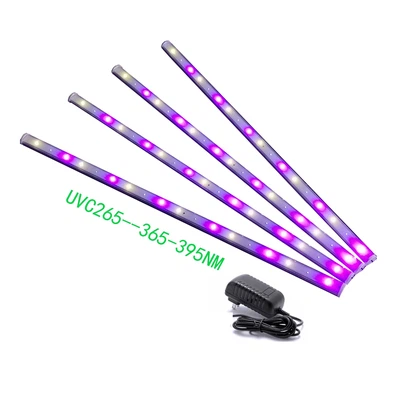
Energy Savings and ROI: The Practical Impact of "Energy-Saving" LED Grow Lights
The claim that LED plant lights are "energy-saving" is more than just marketing rhetoric-it is rooted in fundamental differences in how these devices convert electricity into usable light for plants. Compared to traditional lighting systems like high-pressure sodium (HPS) lamps, LEDs offer substantial energy reductions, with real-world savings that translate into measurable financial returns over time.
The Science Behind LED Energy Efficiency
LED grow lights outperform traditional lighting primarily due to their ability to focus energy on wavelengths plants actually use. Plants rely most on blue (400–500 nm) and red (600–700 nm) light for photosynthesis, while green light is largely reflected. HPS lamps emit a broad spectrum, including significant amounts of unused wavelengths and excess heat-wasting up to 70% of energy as thermal output. In contrast, LEDs can be engineered to emit specific wavelengths, with 50–70% less energy consumption for the same photosynthetically active radiation (PAR) output.Laboratory studies and agricultural trials consistently validate this. For example, a 2023 study by the American Society of Agricultural and Biological Engineers found that LED systems consumed 58% less energy than HPS lamps when providing equivalent light intensity for tomato cultivation. This efficiency stems from LEDs converting 80–90% of electricity into targeted light, compared to just 20–30% for HPS.
Calculating ROI: A Practical Example
While LEDs have higher upfront costs, their energy savings and longevity drive strong ROI. Let's examine a 1,000-square-meter indoor lettuce farm to quantify this:
Traditional HPS Setup: Uses 100 lamps (600W each) = 60kW total. Operating 16 hours/day, 365 days/year = 60kW × 16h × 365 = 350,400 kWh/year.

LED Setup: Uses 100 LED fixtures (300W each) = 30kW total. Same operating hours: 30kW × 16h × 365 = 175,200 kWh/year. Annual electricity cost =26,280. LED lifespan: 50,000 hours (≈8.5 years), requiring 12 replacements/year at 150 each = 1,800/year. Total annual cost:
1,800/year.Totalannualcost:28,080

ROI Calculation:
15,000÷27,430 ≈ 0.55 years (6.6 months).
This example excludes additional savings from reduced cooling needs (LEDs produce 70% less heat, cutting HVAC costs) and higher crop yields (more targeted light often boosts growth by 10–20%), which would shorten ROI further.
Variables Affecting Real-World Outcomes
ROI timelines vary based on factors like energy prices, operating hours, and crop type. In regions with higher electricity costs (e.g., $0.30/kWh in parts of Europe), ROI could drop to under 4 months. For low-light crops like herbs, savings might be slightly lower but still significant. Conversely, infrequently used systems (e.g., seasonal greenhouses) will see longer payback periods, typically 2–3 years.
Long-term, LEDs offer cumulative benefits: a 10-year lifecycle analysis shows the lettuce farm above would save over $270,000 with LEDs, factoring in all costs. As LED technology advances and prices fall, these returns will only improve.
In summary, "energy-saving" LED grow lights deliver tangible results, with 50–70% lower energy use and ROI often under a year in high-usage scenarios. For commercial growers, the math is clear: the initial investment pales beside long-term savings and operational efficiency.