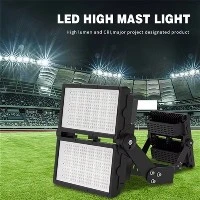
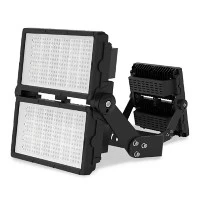
Outdoor light fixtures called floodlights are made to provide strong, broad illumination. They are frequently utilized in areas that require powerful and wide-ranging lighting, such as parking lots, sports grounds, homes, and construction sites. They are made up of a light source, a reflector, and occasionally a lens for controlling and directing the light beam. We go over some of our top recommendations for choosing, setting up, and caring for your floodlight in this post.
ADVANTAGES OF FLOODLIGHTS
They improve visibility:
Floodlights improve visibility in low light or dark conditions by providing bright, consistent illumination over a wide area. Outdoor locations, sports fields, building sites, and security zones would especially benefit from this.
They are perfect for safety and security:
Floodlights are frequently utilized for security reasons, as they discourage possible attackers and improve visibility to avoid mishaps like tripping or falling.
They work well for establishing visual focus points:
Floodlights can be utilized to draw attention to the architectural details of monuments, buildings, and landscaping components, giving them a striking and beautiful appearance.
They are adaptable:
Many floodlights have brightness and angle settings that may be changed, enabling users to tailor the lighting's intensity and direction to suit their own requirements.
They use less energy:
Compared to more conventional models, LED designs have a longer lifespan, use less energy, and generate less heat.
The benefits and drawbacks of solar, LED, and Halogen lighting
Floodlights using Halogen:
Benefits:
Affordability: When it comes to the initial outlay, halogen floodlights are typically the least expensive.
Instant Illumination: As soon as they are switched on, they begin to emit intense illumination.
Color Rendering: Halogen lights are known to properly depict colors due to their high color rendering index (CRI).
Dimming Capabilities: Because halogen lights work with dimmers, customers can change the brightness to suit their preferences.
Drawbacks:
Energy Inefficiency: In comparison to more recent technologies, halogen floodlights use less energy. They contribute to energy waste since they generate a lot of heat.
Short Lifespan: Compared to other solutions, halogen bulbs have a comparatively short lifespan and need to be replaced more frequently.
Heat Generation: The high heat output from halogen floodlights raises the possibility of a fire.
Maintenance Costs: Because they require frequent bulb replacements, they may have greater long-term maintenance costs.
LED Floodlights:
Benefits:
Energy Efficiency: Unlike halogen or other conventional lights, LED floodlights use a lot less electricity, making them extremely energy-efficient.
lengthy Lifespan: They don't require regular replacements and have an incredibly lengthy lifespan.
Durability: LEDs are stronger and more resilient to vibrations and shocks.
Instant Lighting: When turned on, they produce full brightness straight away and don't need to warm up.
Cooler Operation: Because they generate less heat, they are safer and put less strain on enclosed space cooling systems.
Customizable Design: The color temperature of LEDs can be changed.
Drawbacks:
Greater Initial Cost: Compared to halogen floodlights, LED floodlights are more expensive initially, but they are frequently compensated for by lower maintenance and energy costs.
Variation in Quality: LED lights come in a range of quality levels, and inferior models may not deliver the desired level of brightness or color coherence.
Floodlights powered by the sun:
Benefits:
Energy Savings: Over time, solar floodlights can result in significant electricity savings because they run on solar energy. When traditional electricity is unavailable due to load shedding, this is also perfect.
Eco-friendliness: By using renewable energy sources to create power, they lessen their carbon footprint and dependency on non-renewable resources.
Simple Installation: No complicated wiring is needed.
No Operating expenses: Because solar floodlights don't use grid electricity, they have very low operating expenses.
isolated Areas: Solar floodlights are perfect for places that have limited access to electricity, such as isolated areas.
Drawbacks:
Sunlight Dependency: They may not function well on overcast days or in regions with shade because they need direct sunlight to properly charge their batteries.
Initial Cost: Because of the technology and parts required, solar floodlights may be more expensive up front, but the energy savings more than make up for this.
Battery Lifespan: After a specific number of cycles, the batteries used in solar floodlights may need to be replaced due to their limited lifespan.
Brightness and Duration: The battery capacity and solar panel efficiency of solar floodlights determine their brightness and duration. Their performance may occasionally be constrained by this.
THINGS TO TAKE INTO ACCOUNT WHEN SELECTING THE BEST FLOODLIGHT FOR YOUR NEEDS
Establish Your Goal:
Determine the floodlight's main function, as this will determine the necessary brightness and coverage.
Lumens and Brightness:
Look for lumens once you've determined the necessary brightness level. This measurement is used to determine how much light is produced. Brighter lighting is indicated by higher lumens.
Area of Coverage:
After determining the number of square meters that require illumination, select a floodlight with the proper beam angle to guarantee uniform illumination throughout the intended area.
Temperature of Color:
Examine the available floodlight's Kelvin value. The color temperature of light is measured in kelvins. Cooler temperatures (5000–6500K) give the impression of sunshine, whereas warmer temperatures (2700–3000K) give a cozier sense.
Resistance to Weather:
Make sure the floodlight has the proper IP (Ingress Protection) certification to endure weather conditions like rain, snow, dust, or extremely high temperatures by taking into account the weather conditions it will be exposed to.
Quality and Guarantee:
Choose trustworthy companies that are well-known for creating high-quality lighting goods. Additionally, you should look at the warranty supplied; a longer warranty indicates that the manufacturer is confident in the product's better quality and long-term performance.
Efficiency of Energy:
Choose solar or LED options if you care about lowering your electricity usage.
Timers and Motion Sensors:
Consider models with integrated motion sensors and timers to turn on the floodlight only when necessary if you're using it for security.
A Look at the Budget:
Establish a spending limit and keep in mind that, although higher-quality products may cost more up front, they frequently offer better value over time.
Speak with Experts:
Lighting experts like the Radiant team can offer you advice based on your unique requirements if you're not sure.
TIPS FOR INSTALLATION
Choose a good spot.
Verify that your electrical wiring is capable of supporting the load and is up to code. When in doubt, get advice from an electrician.
Before beginning any installation work, make sure the circuit is powered off.
The manufacturer's installation instructions should be read and followed.
Make sure the selected surface is level and stable before firmly mounting the provided bracket.
As directed by the manufacturer, connect the wire.
To guard against weather and moisture, make sure that every connection is adequately sealed and insulated.
To get the required coverage area, change the angle of the floodlight.
To check the placement and coverage of the floodlights, briefly turn the power back on. Before completing the installation, make any necessary modifications.
To avoid movement or misalignment, firmly attach the floodlight to the mounting bracket when you're happy with the angle and coverage.
TIPS FOR MAINTENANCE
Examine your floodlights frequently for indications of corrosion, wear, or damage. Look for any problems with the lens, housing, and wiring.
Clear the lens of any accumulated dirt, debris, or other impurities that can lower the light output. If necessary, you can use a light cleaning solution and a soft cloth. This is particularly crucial for solar-related designs.
To stop the floodlight from moving because of wind, make sure that all of the bolts, screws, and other fasteners are snug.
If the bulbs in your floodlight are replaceable, replace them according to the manufacturer's instructions.
Make sure your floodlight's motion sensor and timer are functioning properly by testing them on a regular basis.
Remove any bushes, trees, or vegetation that have gotten in the way of the light's beam.

https://www.benweilight.com/industrial-lighting/led-flood-light/led-powed-wall-flood-lights.html